Multifamily renovation projects are heavily regulated across the United States, with building codes varying significantly by state and municipality. From fire safety and structural integrity to accessibility and energy compliance, failing to meet construction compliance requirements can lead to serious risks and project setbacks, including:
For property owners, asset managers, and developers, understanding these apartment renovation regulations is critical for protecting both timelines and investment performance.
Request a multifamily renovation compliance assessment today and let Apex do the work for you.

At its core, building code compliance exists to protect people. Multifamily properties house dozens—or even hundreds—of residents, making life safety systems absolutely critical.
Fire-rated walls, properly designed egress routes, and structurally sound construction are not optional—they are required safeguards. When these systems are compromised or overlooked during a renovation, the risks increase significantly.
Beyond safety, property owners are legally responsible for ensuring their buildings meet all applicable codes. Non-compliance can expose ownership groups to lawsuits, fines, and long-term liability.
One of the biggest impacts of code violations is disruption to your project timeline. When a project fails inspection, work often comes to a complete halt until issues are corrected.
This can lead to:
Even small compliance issues can create a ripple effect, delaying other trades and extending project timelines. For large multifamily renovations, these delays can quickly translate into significant financial losses.
Many property owners don’t realize how closely building code compliance is tied to insurance and financing.
Lenders and insurance providers often require documentation proving that all work meets current codes.
If a project is found to be non-compliant, it can result in:
Ensuring compliance from the start helps avoid these risks and keeps your project financially secure.
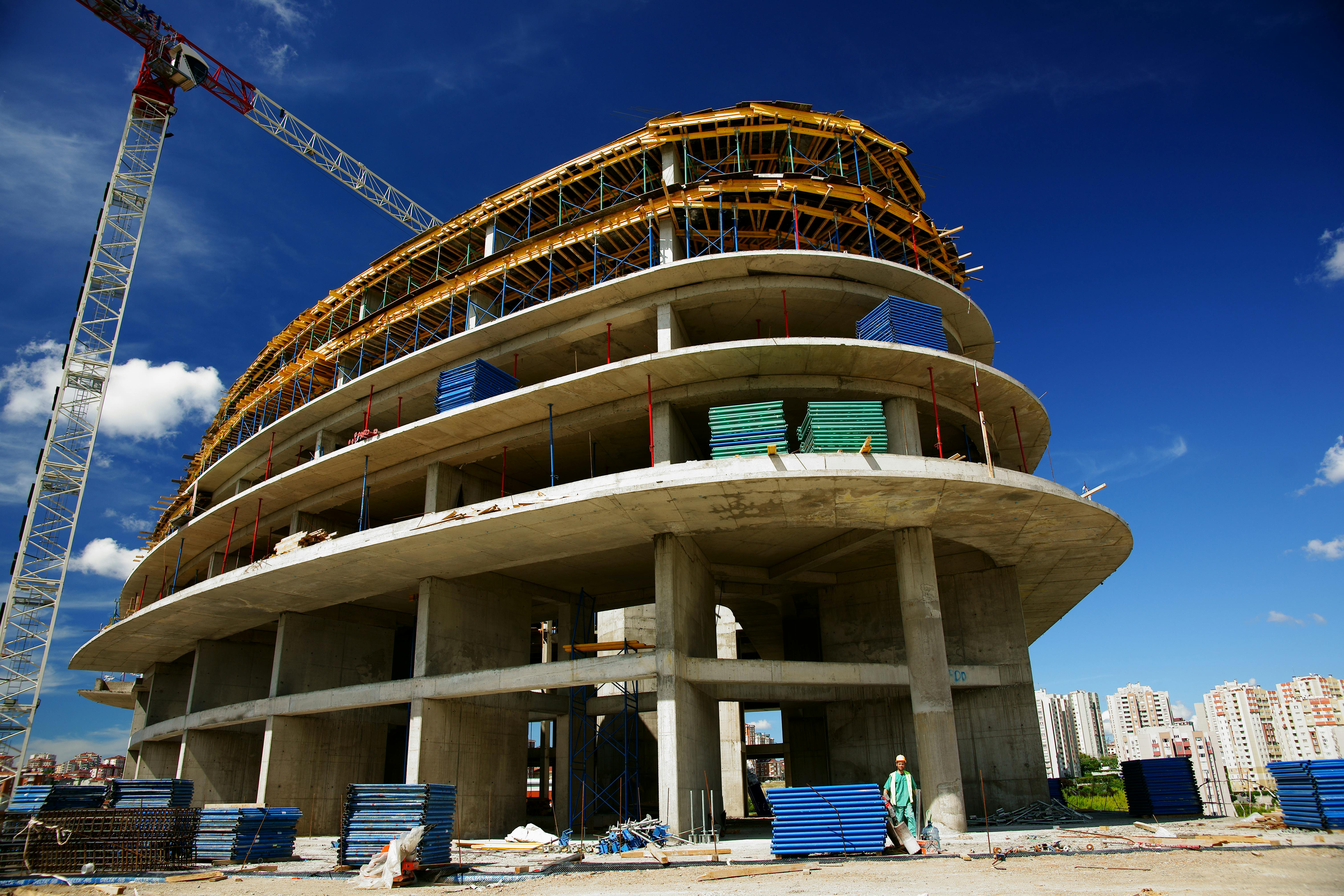
Understanding the core areas of building code requirements can help property owners better plan and manage renovation projects. These categories serve as the foundation for ensuring safety, compliance, and long-term performance.
Any modifications to a building’s structure must meet strict engineering standards. This includes changes to walls, floors, or framing systems that impact load distribution.
Depending on the location, additional factors may apply, such as:
Structural compliance is one of the most critical aspects of any renovation, as failures in this area can have serious safety implications.
Fire protection systems are among the most heavily regulated components in multifamily construction. These systems are designed to protect occupants and limit damage in emergency situations.
These requirements typically include:
Inspections in this category are thorough, and even minor deficiencies can result in failed inspections or required corrections.
Accessibility requirements are a key component of multifamily renovations, especially when upgrading units or common areas. These standards ensure that properties are usable and compliant for all residents.
Projects must ensure compliance with ADA standards, which may include:
Failing to meet accessibility requirements can result in legal action and costly retrofits after construction is complete.
Upgrading building systems is common during multifamily renovations, but these systems must meet current code requirements and applicable tenant improvement code standards. These systems are essential for the building’s overall functionality and safety.
This includes:
Outdated or improperly installed systems are one of the most common reasons projects fail inspections.
Energy efficiency standards have become increasingly strict across many states.
Renovation projects must often meet updated requirements related to:
In states with aggressive energy codes, these requirements can significantly influence material selection and construction methods.

Building code requirements are not one-size-fits-all. Different regions face different environmental challenges, which directly influence construction standards.
California enforces some of the most rigorous building codes in the country. These regulations are designed to address both environmental risks and energy efficiency requirements.
Multifamily renovations often require:
These requirements can add complexity to projects but are essential for long-term safety and performance.
Texas presents a unique challenge due to its rapid growth and city-level code variations. Each municipality may enforce slightly different standards and permitting processes.
Each major city—such as Austin, Dallas, and Houston—may have different requirements, making local expertise critical.
Additionally, projects must account for:
Understanding these local differences can help prevent delays and compliance issues.
In colder climates, environmental conditions play a major role in building requirements. Temperature fluctuations can place repeated stress on building materials over time.
Multifamily renovations must consider:
Ignoring these factors can lead to long-term structural damage and increased maintenance costs.
In coastal and humid regions, building codes are designed to address extreme weather and moisture exposure. These conditions create ongoing risks that must be accounted for in renovation planning.
Key considerations include:
These requirements are critical for protecting both the structure and interior spaces from long-term damage.

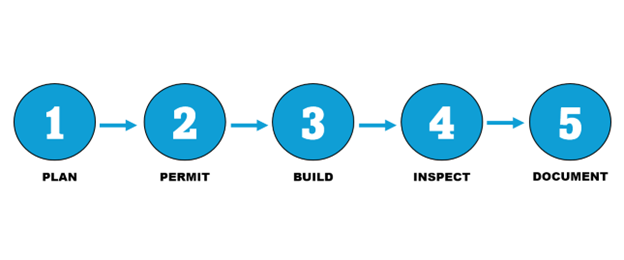
Permitting and inspections ensure that renovation projects meet all applicable codes and broader construction compliance requirements before completion. These processes act as checkpoints to verify compliance throughout construction.
Most multifamily renovation projects require permits to meet local apartment renovation regulations, particularly when the work involves:
Failing to obtain the proper permits can result in fines, stop-work orders, and project delays.
Renovation projects typically go through several inspection phases to ensure compliance at each stage. These inspections confirm that each portion of the work meets code before moving forward.
These include:
Each phase must be passed before the project can move forward.
Because building codes are enforced locally, requirements can vary significantly between cities and counties.
Working with a contractor who understands these local regulations is essential for navigating the permitting and inspection process efficiently.

Even well-planned projects can run into compliance issues if details are overlooked. These issues are often discovered during inspections and can disrupt project timelines.
Some of the most common violations include:
These issues often result in failed inspections, delays, and costly rework.
Recognizing early warning signs can help prevent larger issues later in the project. These indicators often signal underlying compliance problems that need to be addressed.
Common indicators include:
Addressing these signs early can help keep your project on track.

Successful projects take a proactive approach to compliance from the very beginning. Planning ahead reduces the risk of delays, rework, and unexpected costs.
Recommended steps include:
How to Stay Code-Compliant in Multifamily Renovations
Apex Contracting specializes in delivering multifamily renovation projects that meet all local and state building codes, tenant improvement code standards, and broader compliance requirements.
Apex has years of experience working across multiple regions with varying regulatory standards.
Our team understands the complexities of working across multiple regions and offers:
We help property owners complete projects efficiently while minimizing risk and avoiding costly compliance issues.
Schedule your multifamily renovation consultation today to ensure your project meets all code requirements.
Building, fire, ADA, and energy codes all apply depending on scope. These requirements vary by location and must be evaluated based on the specific project.
Most structural and system upgrades require permits. Minor cosmetic work may not require permits, but local regulations should always be verified.
Varies by city/state, typically weeks to months. The timeline depends on project complexity and local jurisdiction requirements.
Work must be corrected and re-inspected, causing delays. This can also increase costs and extend the overall project timeline.
Work with experienced contractors and conduct early code reviews. Proper planning and documentation help prevent issues throughout the project.