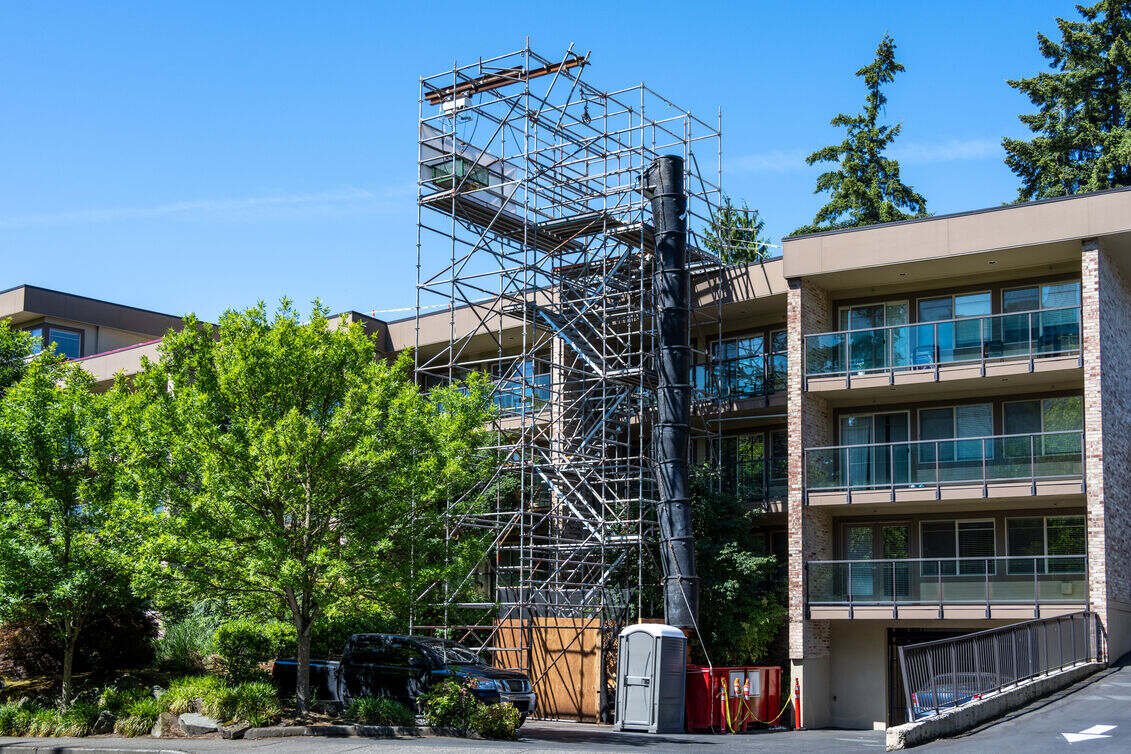
Multifamily renovation projects are heavily regulated across the United States, with building code requirements varying significantly by state and municipality. From fire protection and accessibility standards to energy efficiency and structural upgrades, understanding local regulations is essential for completing projects safely and efficiently.
Failing to meet multifamily renovation code requirements can create serious challenges for property owners, including:
For property owners, developers, and asset managers, understanding commercial building code multifamily requirements is critical for protecting project timelines, maintaining compliance, and preserving long-term asset value.
Building codes exist to protect residents, contractors, and visitors by ensuring structures are safe and functional. Multifamily properties must meet strict standards related to fire protection, structural integrity, accessibility, and emergency egress. Renovations that fail to meet code can create significant safety risks for occupants and expose property owners to legal liability. Staying compliant helps ensure the property performs safely long after construction is complete.
Code violations are one of the most common causes of construction delays during multifamily renovations. Failed inspections often require portions of the project to be redesigned, rebuilt, or re-inspected before work can continue. Even relatively small compliance issues can create major scheduling disruptions across multiple trades. Addressing code requirements during the pre-construction planning phase helps reduce costly delays later in the project.
Many lenders and insurance providers require proof that renovation work complies with all applicable building codes and tenant improvement code requirements. Non-compliant projects may face increased premiums, denied claims, or financing complications. Maintaining compliance throughout construction helps protect both the property and the overall investment strategy. Proper documentation and inspections also support smoother project closeout processes.
Structural upgrades are among the most heavily regulated aspects of multifamily renovations. Any modifications affecting load-bearing systems, framing, or foundations must meet current engineering and safety standards.
Depending on the region, projects may also need to account for:
Proper structural planning is essential for ensuring long-term building stability and compliance.
Fire and life safety systems are critical components of multifamily construction compliance. Renovation projects must ensure all fire protection systems meet current code requirements.
This typically includes:
Fire code violations can quickly halt projects and create significant safety concerns if not addressed properly.
Accessibility standards apply to many multifamily renovation projects, especially when altering units, leasing offices, or shared amenities. These requirements help ensure spaces remain accessible to all occupants.
Projects may require:
Failing to address accessibility requirements can result in legal liability and costly retrofits after construction.
MEP systems must often be upgraded during renovations to meet current commercial renovation permits and code standards. These systems are critical for both operational performance and occupant safety.
Requirements may include:
Outdated systems are among the most common reasons projects fail inspections.
California enforces some of the strictest multifamily renovation code requirements in the country. Renovation projects must often comply with Title 24 energy regulations, seismic retrofit standards, and wildfire-related building requirements.
Projects frequently require:
California’s regulatory environment makes early planning and code review especially important for successful project execution.
Colorado building codes are heavily influenced by mountain weather conditions and freeze-thaw cycles. Multifamily renovations often require enhanced insulation, roofing standards, and structural load considerations.
Key code considerations include:
Ignoring climate-related code requirements can lead to long-term structural and maintenance issues.
Arizona’s extreme heat creates unique building code challenges for multifamily properties. Renovations often focus heavily on cooling efficiency, roofing materials, and energy performance.
Projects may require:
Energy efficiency plays a major role in both operating costs and code compliance throughout the state.
Utah multifamily renovations must account for both seismic conditions and seasonal climate fluctuations. Building codes often focus on structural durability and energy performance.
Important requirements include:
Proper planning helps ensure buildings perform effectively through changing weather conditions.
Washington places significant emphasis on environmental performance and moisture management in multifamily construction compliance. Wet weather conditions create ongoing concerns around waterproofing and air quality.
Projects commonly require:
Moisture-related issues can quickly escalate if building envelope systems are not properly addressed.
Nevada’s growing markets have increased demand for multifamily renovations and tenant improvements. Building codes focus heavily on heat resistance, fire protection, and efficient permitting processes.
Common considerations include:
Working with experienced contractors helps navigate rapidly evolving local requirements.
Georgia multifamily renovation regulations are shaped by humid conditions and regional fire safety requirements. Moisture control and ventilation are critical for long-term building performance.
Projects often require:
Preventative planning helps reduce future maintenance and structural issues.
Florida has some of the strictest wind-load and moisture protection standards in the country. Multifamily renovations must account for hurricanes, flooding risks, and high humidity conditions.
Key code requirements include:
These regulations are critical for protecting properties from severe weather and long-term environmental damage.
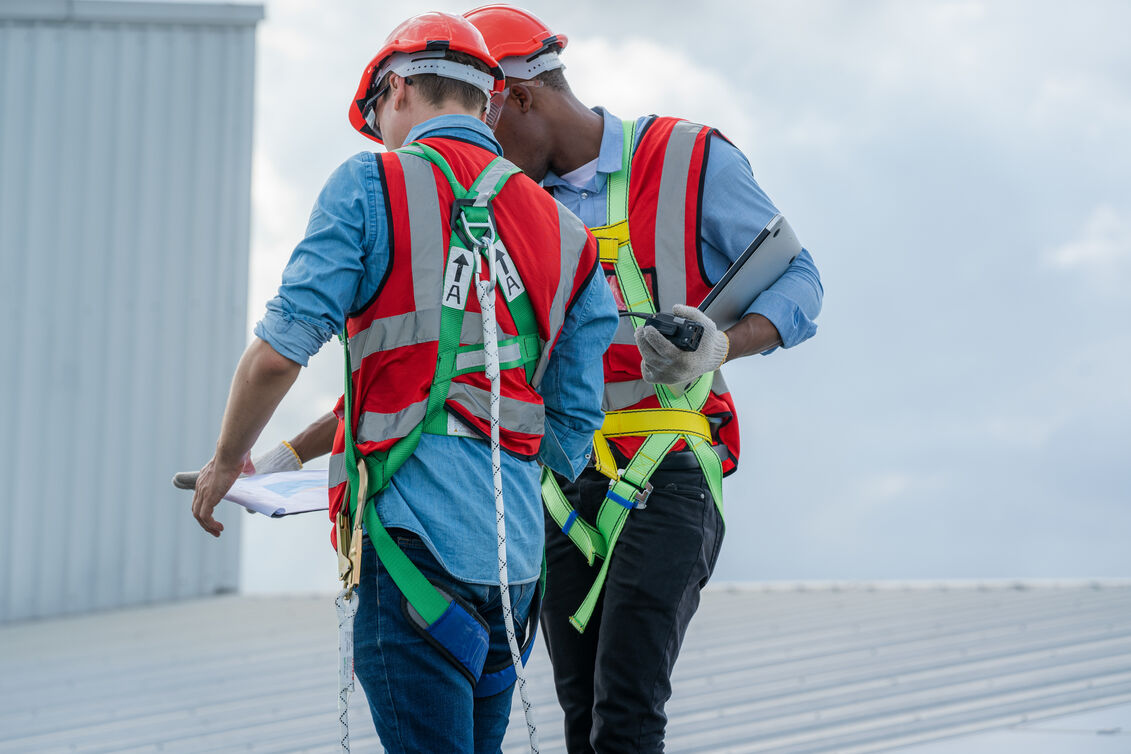
Most multifamily renovation projects require permits, especially when work involves structural changes, MEP upgrades, or major alterations. Cosmetic-only projects may have fewer requirements, but local jurisdictions should always be consulted. Failing to obtain proper permits can result in stop-work orders, fines, and delays. Proper permitting ensures the project meets all state building code requirements before construction begins.
Multifamily renovation projects typically involve multiple inspection phases throughout construction. These inspections verify compliance before work progresses to the next stage.
Inspection phases often include:
Maintaining organization and documentation helps ensure smoother approvals.
Building code enforcement varies significantly between cities and counties, even within the same state. Local permitting offices may interpret regulations differently depending on the municipality. Working with contractors experienced in multifamily construction compliance helps property owners navigate these local requirements more efficiently. This reduces the risk of delays and compliance issues during construction.

Even well-planned projects can encounter compliance issues if important details are overlooked. These problems are often discovered during inspections and can create major project disruptions.
Some of the most common violations include:
Addressing these issues proactively helps prevent delays, rework, and increased construction costs.
Successful multifamily renovations require proactive planning and ongoing compliance management from start to finish. A structured approach helps minimize risk and improve project efficiency.
Recommended steps include:
Taking a proactive approach to multifamily construction compliance helps reduce delays and supports long-term property performance.
Apex Contracting specializes in multifamily renovations across multiple states and regulatory environments. Our team understands the complexities of state building code requirements and helps property owners navigate compliance efficiently.
We offer:
We help property owners complete projects successfully while minimizing compliance risks, delays, and unexpected costs.
What codes apply to multifamily renovations?
Multifamily renovations must comply with structural, fire, ADA, energy, and MEP building codes. Requirements vary by state and local jurisdiction depending on the project scope.
Do all multifamily renovations require permits?
Most projects involving structural, electrical, plumbing, or major renovations require permits. Minor cosmetic work may not require permitting, but local regulations should always be verified.
How long does the permitting process take?
Permit timelines vary by state, city, and project complexity. Depending on the jurisdiction, approvals can take anywhere from several weeks to multiple months.
What happens if a project fails inspection?
Failed inspections typically require corrections before work can continue. This can result in project delays, added labor costs, and additional inspections.
How can property owners reduce compliance risks?
Working with experienced contractors, conducting early code reviews, and maintaining organized documentation all help reduce compliance risks throughout the project.
Are building code requirements different in every state?
Yes, while many states follow versions of the International Building Code (IBC), each state and municipality may adopt unique amendments and enforcement practices.
Why is pre-construction planning important for code compliance?
Pre-construction planning helps identify code requirements, permitting needs, and potential risks before work begins. This proactive approach helps prevent delays and costly rework later in the project.