Commercial Property Damage Assessment: What to Look for Before Starting Repairs
March 31, 2026
Commercial Property Damage Assessment: What to Look for Before Starting Repairs
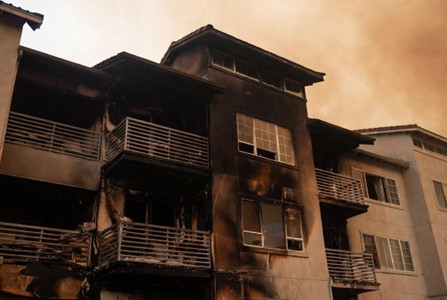
When a commercial or multifamily property experiences damage, the first and most critical step is conducting a thorough damage assessment.
Whether the damage is caused by storms, extreme temperatures, moisture, or structural issues, failing to properly assess the building can lead to:
Missed hidden damage
Cost overruns
Insurance claim issues
Long-term structural problems
A comprehensive damage assessment ensures you understand the full scope of the problem before beginning repairs, allowing you to protect your investment and make informed decisions.
Why Proper Damage Assessment Is Critical
Commercial buildings are complex systems. Damage rarely affects just one area.
A proper assessment helps:
Identify structural risks
Prevent small issues from escalating
Align repair scope with insurance coverage
Reduce long-term repair costs
In fact, industry data shows that deferred maintenance and missed damage can increase repair costs exponentially over time, sometimes by multiples of the original issue.
Core Areas to Inspect in Any Commercial Property
Regardless of location, every commercial property damage assessment should include:
1. Structural Integrity
Foundation cracks or settlement
Load-bearing wall damage
Roof sagging or deflection
Structural issues are the highest-risk category and require immediate professional evaluation.
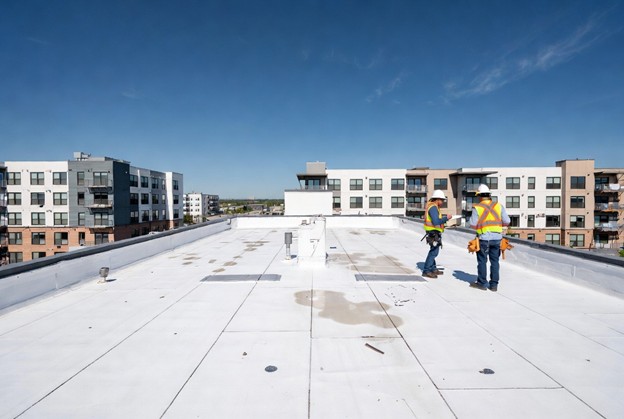
2. Roofing System
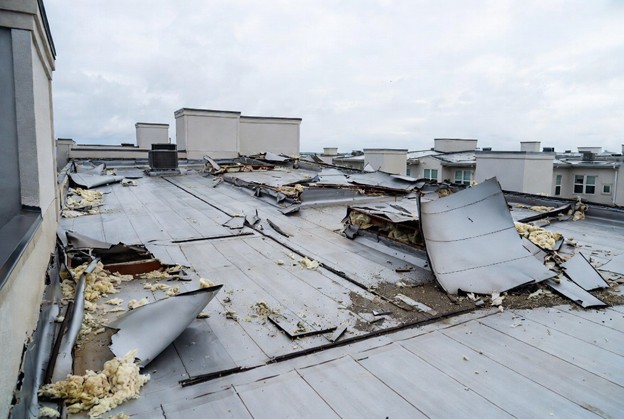
Membrane or surface damage
Flashing failures
Drainage issues
Roof systems are the most common entry point for water intrusion.
3. Building Envelope (Exterior)
Cracks in walls or siding
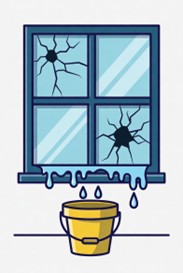
Window and door seal failures
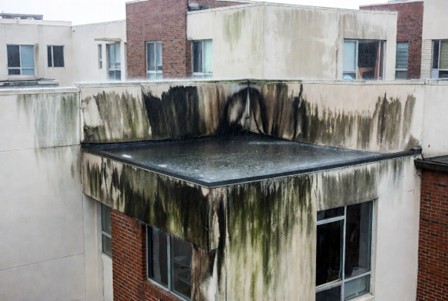
Moisture intrusion points
The building envelope is your first defense against environmental damage.
4. Mechanical, Electrical, and Plumbing (MEP)
HVAC system damage
Electrical hazards
Plumbing leaks or pipe failures
These systems are often affected by extreme weather conditions.
5. Interior Damage
Water stains or mold
Ceiling and drywall damage
Flooring issues
Interior damage often indicates deeper structural or envelope problems.
Climate-Specific Damage Risks
Different climates create different types of damage. Understanding these risks is essential for accurate assessment.
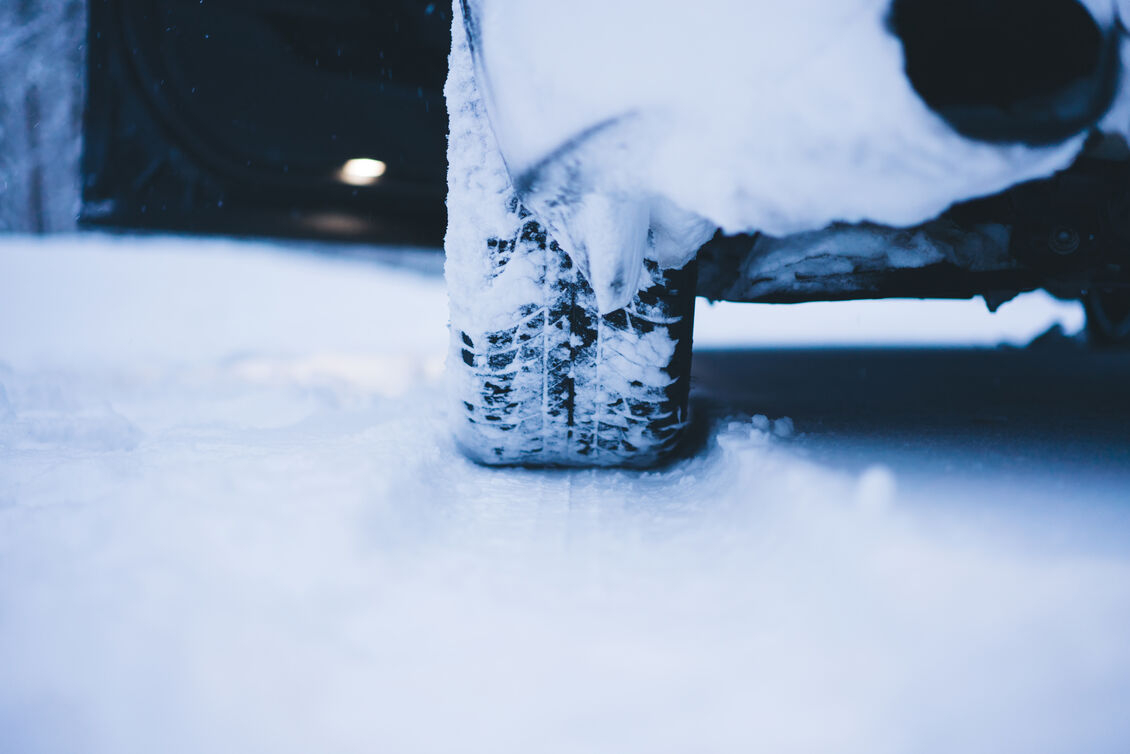
Cold & Freeze-Thaw Climates (Colorado & Utah)
Common Damage Issues:
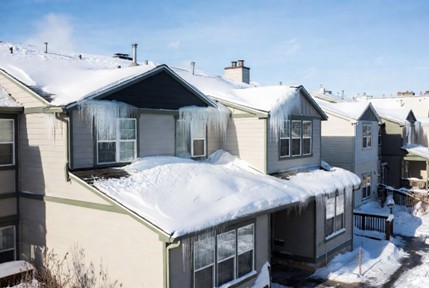
Ice dams causing water intrusion
Freeze-thaw cracking in roofing and masonry
Burst pipes and plumbing failures
Snow load stress on roofs
Freeze-thaw cycles force water into small cracks, where it expands as it freezes, causing structural damage over time .
What Maintenance Looks Like:
Inspect roofs before and after winter
Clear drainage systems and snow buildup
Insulate pipes and mechanical systems
Schedule seasonal inspections (2–3x annually)
What Can Be Done In-House:
Monitor visible leaks or ice buildup
Clear debris from drains
What Requires a Contractor:
Structural inspections
Roof system evaluation
Leak detection and repair
Explore our Colorado and Utah locations to learn more about freeze-thaw damage risks and connect with a local Apex expert.