A COMMERCIAL BUILDING SOLUTIONS CONTRACTOR

The Newsfeed

Explore insights, updates, and stories about us.

NEWS & EVENTS

Renovating Without the Vacancy: How to Execute Tenant Improvements in Occupied Apartment Communities

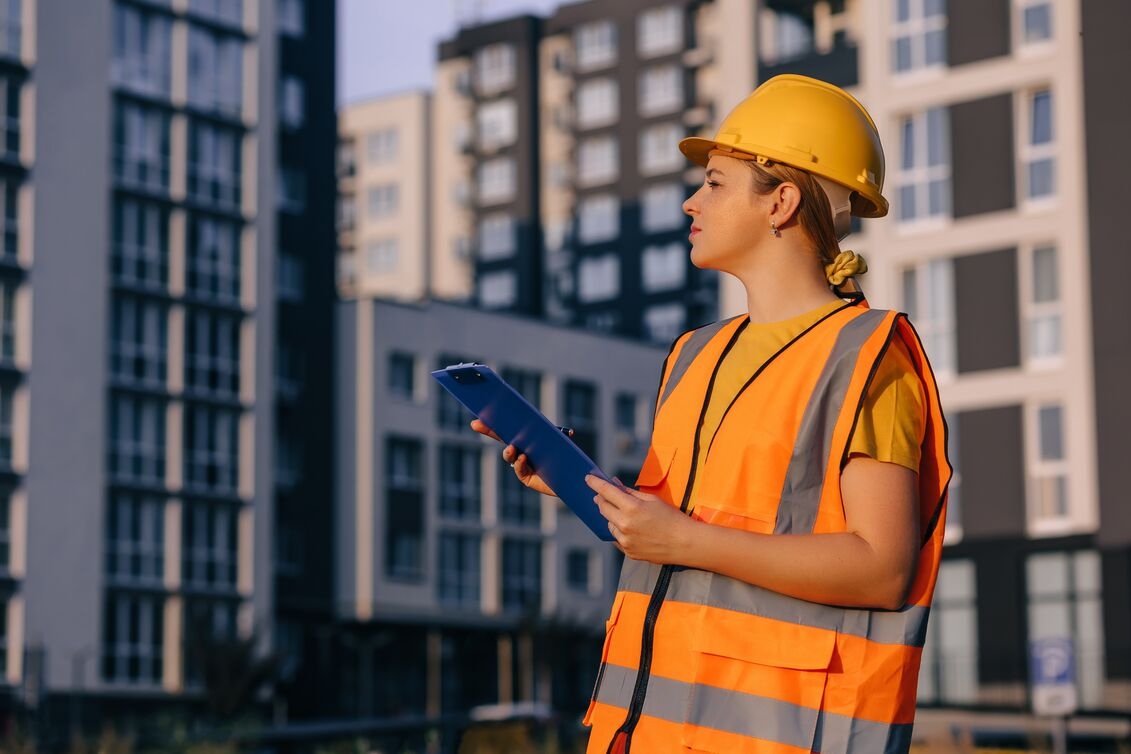
Blog Image
November 17, 2025
Renovating Without the Vacancy: How to Execute Tenant Improvements in Occupied Apartment Communities

Renovations in an active apartment community require a precise balance: improving the property while keeping residents safe, informed, and satisfied. For property and regional managers, the challenge is coordinating construction without triggering complaints, delays, or unnecessary move-outs. With the right process, however, you can deliver meaningful upgrades while minimizing downtime and maintaining full occupancy.

Below is a practical guide on how to manage tenant improvement projects in occupied spaces—based on what works across large-scale multifamily renovations.

Phased Scheduling & Noise-Mitigation Strategies

Renovating in a community that’s actively lived in means construction must be designed around resident routines. Effective strategies include:

  • Phased Unit Turnover Plans: Break projects into small, manageable phases—renovating only a handful of units or building sections at a time. This limits disruption and keeps amenities, entries, and parking accessible.
  • Defined Work Windows: Schedule louder construction—demo, drilling, tool-heavy work—during mid-day hours when most residents are away. Quiet tasks, like finishing work, can occur in early mornings or late afternoons.
  • Clear Pathways & Containment: Dust walls, HEPA filtration, and isolated work zones reduce disturbances and protect shared spaces.
  • Weather- and Season-Smart Planning: In peak leasing seasons, reinvest in cosmetic projects. Save more invasive tenant improvement construction work for slower occupancy periods to lessen operational impact.

Communication Plans That Keep Everyone Aligned

Strong communication is the #1 factor in resident satisfaction during construction. Property managers, contractors, and residents should all understand what’s happening and when.

Best practices include:

  • Pre-Project Announcements: Provide clear timelines, expected noise levels, and any temporary disruptions. Multiple formats—email, SMS, door notices, and lobby signage—ensure every resident sees it.
  • Weekly Updates: Short, predictable progress reports help reduce uncertainty and maintain trust.
  • Direct Contact Channels: Give residents a dedicated phone number or email for construction-related concerns. Faster responses lead to fewer escalations.
  • Manager-Contractor Sync Meetings: Regular check-ins ensure onsite teams are working from the same playbook and can adjust immediately to tenant or operational needs.

Apex’s Low-Impact Renovation Process

Apex Contracting specializes in delivering high-quality upgrades with minimal disruption—designed specifically for occupied communities.

Our approach includes:

  • Rapid, unit-by-unit deployment crews to limit how long any single building is impacted.
  • Streamlined scopes that reduce unnecessary steps and shorten timelines.
  • On-site tenant coordination teams who communicate directly with managers and residents.
  • Clean-as-you-go standards to keep halls, elevators, and common areas fully operational.
  • Noise-sensitive sequencing to reduce resident complaints.

The result? A consistent, low-impact renovation approach that keeps communities functioning smoothly while improving property value.

Get a Quote

Pre-Construction Checklist for Occupied Buildings

Use this checklist to ensure your next project runs safely, smoothly, and on schedule:

Pre-Planning
  • Review project scope with your contractor and identify any high-impact tasks.
  • Determine phased schedule by building, floor, or unit type.
  • Confirm material lead times to avoid mid-project delays.
Resident Communication
  • Draft announcement templates for notices and emails.
  • Set up a communication channel dedicated to construction updates.
  • Prepare FAQ sheets addressing expected questions.
Safety & Access
  • Map out material staging areas away from resident pathways.
  • Identify temporary closures (hallways, amenities, parking stalls) and schedule them during low-traffic hours.
  • Confirm emergency egress routes remain accessible at all times.
On-Site Operations
  • Implement noise-window scheduling and dust-containment plans.
  • Establish daily cleanup standards.
  • Hold weekly site meetings with the contractor to assess progress and prevent bottlenecks.

By addressing these items early, property managers can set their communities up for a smooth, predictable experience during renovations.

Partner With Apex for Low-Impact Renovation Solutions

Upgrading an occupied community doesn’t have to disrupt residents or create operational headaches. With the right planning—and a contractor who understands how to work within active buildings—you can maintain tenant satisfaction, stay on schedule, and protect NOI throughout the project.

Apex Contracting specializes in seamless multifamily renovations while prioritizing safety and communication and minimizing downtime.

Frequently Asked Questions

How can property managers renovate units without requiring tenants to move out?

By using phased scheduling, noise windows, and tight dust-containment measures, managers can keep units functional while work is completed in short, controlled segments. Clear communication and predictable timelines help residents stay comfortable and informed throughout the process.

How does Apex Contracting minimize disruption in occupied-unit projects?

Apex uses a low-impact renovation process that sequences work efficiently, limits noise to specific hours, and keeps common areas clean and accessible. Dedicated communication leads coordinate directly with managers and residents to reduce surprises and prevent complaints.

How can partnering with Apex improve the success of an occupied-unit renovation project?

Apex’s expertise in occupied multifamily renovations ensures projects are planned around resident routines, operational needs, and safety considerations. This approach keeps properties fully functional while minimizing downtime and delivering higher-quality results, faster.

Ready to renovate without the vacancy? Contact Apex to get started with a low-impact renovation plan built for your community.