Building envelope repair extends commercial property life by protecting the structural components that separate a building's interior from the outside elements — its roof, walls, foundation, windows, and doors. When paired with air barrier installation and commercial air sealing, envelope repair prevents moisture intrusion, stabilizes energy costs, and delays the need for major renovations by 10–15 years or more on key systems. Left unaddressed, small cracks and failed seals compound into mold growth, structural damage, and rising utility bills that erode a property's long-term ROI.
This guide covers what the building envelope includes, why repair matters, how long each component typically lasts, and when it's time to bring in a professional.
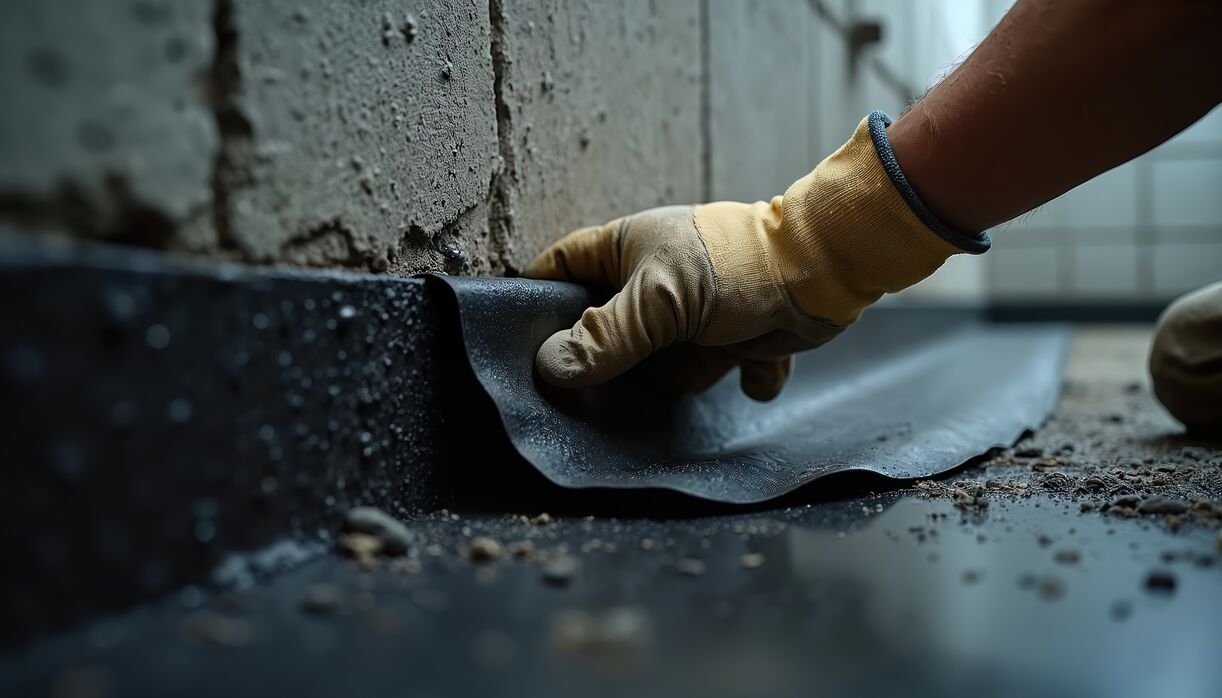
The building envelope includes every exterior component that protects a structure from the elements — walls, roofs, foundations, windows, and doors. Its core functions are to:
Weather exposure, pollutants, and normal building movement wear down these components over time, which is why proactive building envelope repair is essential to protecting the asset underneath.
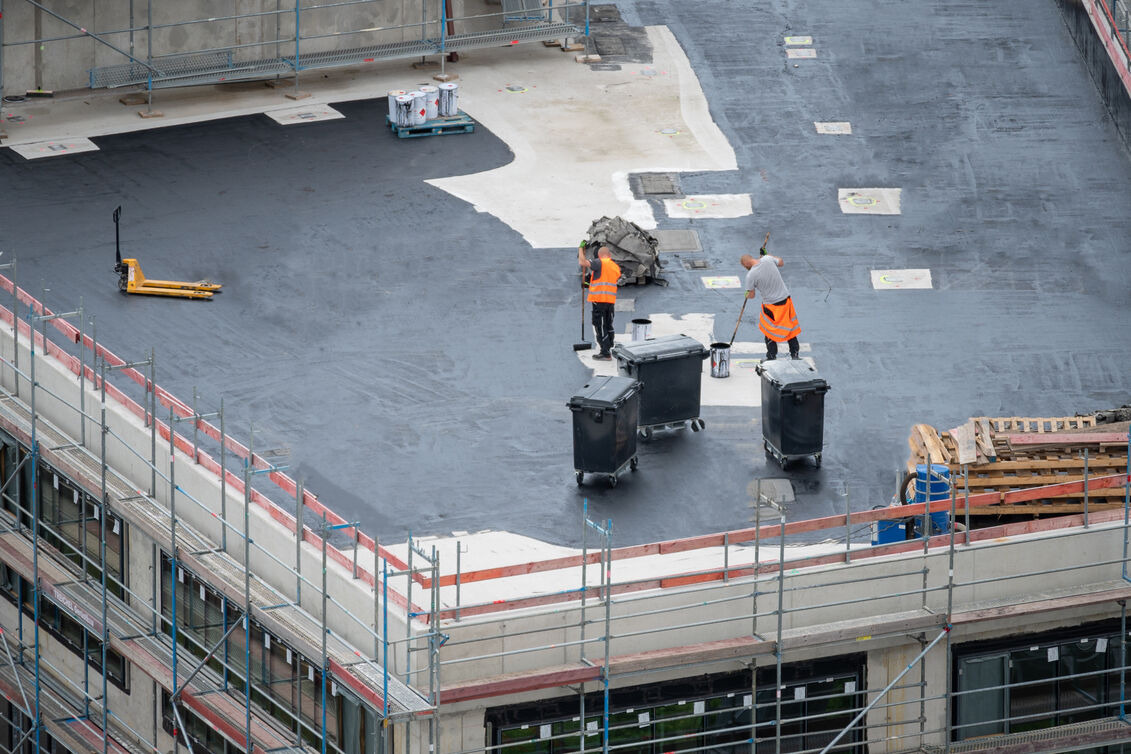
Minor cracks, failed seals, and deteriorating materials rarely look urgent, but they compound quickly. Water infiltration can trigger mold growth and structural damage, while unchecked air leaks drive up energy bills and reduce occupant comfort. Timely building envelope repair delivers four key benefits:
Every component of a building envelope has a different service life, and understanding those timelines helps owners budget for repairs before problems escalate rather than after.
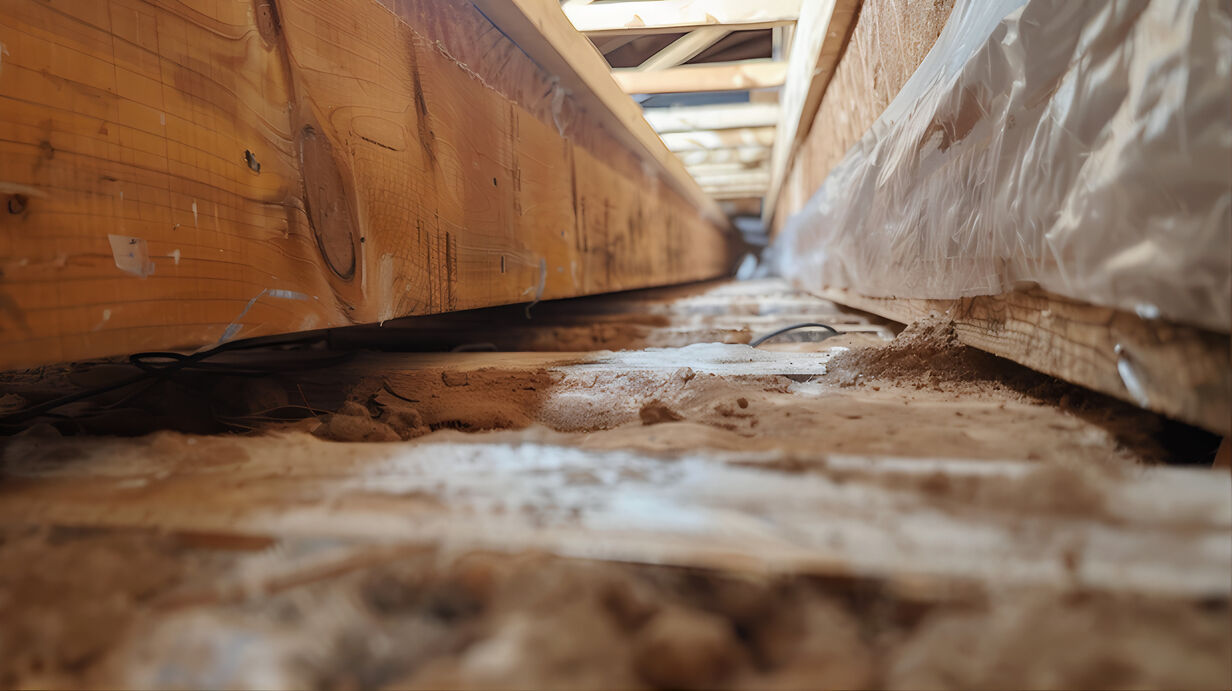
Air barrier installation is one of the most effective strategies in building envelope repair. Air barriers are continuous membranes or coatings applied to walls, roofs, or foundations to stop uncontrolled airflow, and they deliver three primary benefits:
Air barrier installation can be applied during new construction or added as part of a retrofit, and either approach measurably extends a building's service life.
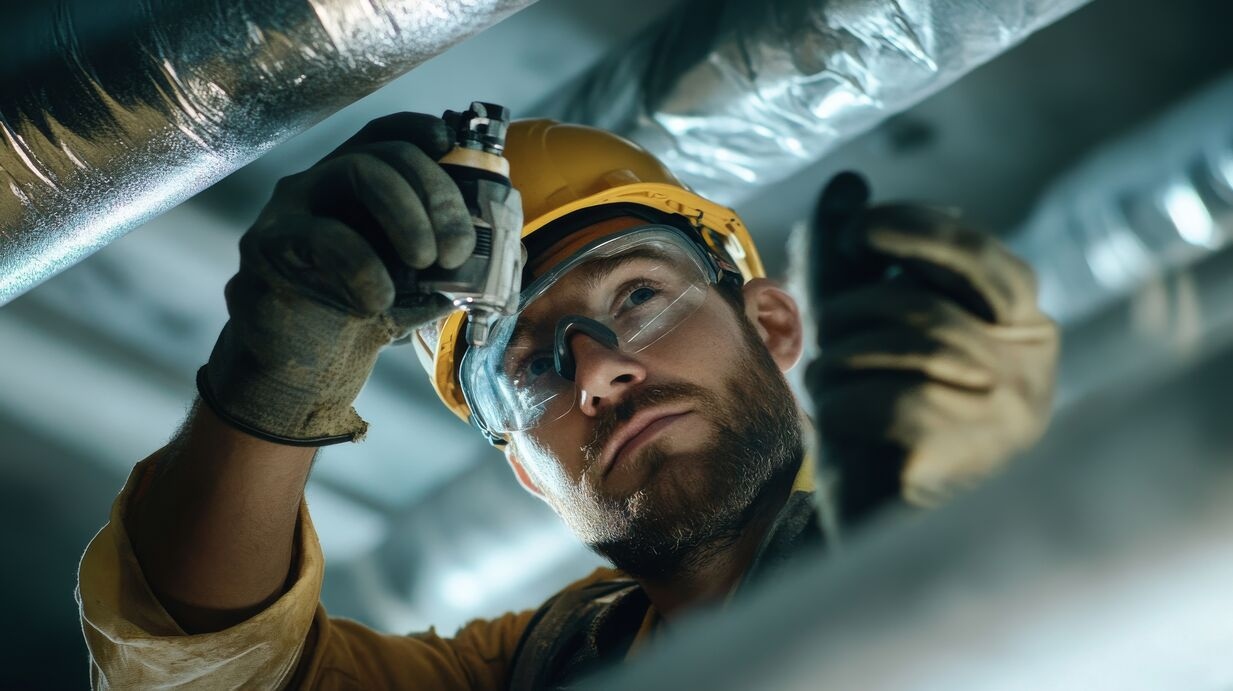
Commercial air sealing targets leaks around windows, doors, utility penetrations, and joints — smaller fixes than a full air barrier system, but ones that still deliver noticeable results. Compared to large-scale replacements, commercial air sealing is typically faster and more affordable while producing three clear benefits:
For older properties in particular, commercial air sealing is one of the most cost-effective upgrades available to extend building life and improve tenant satisfaction.
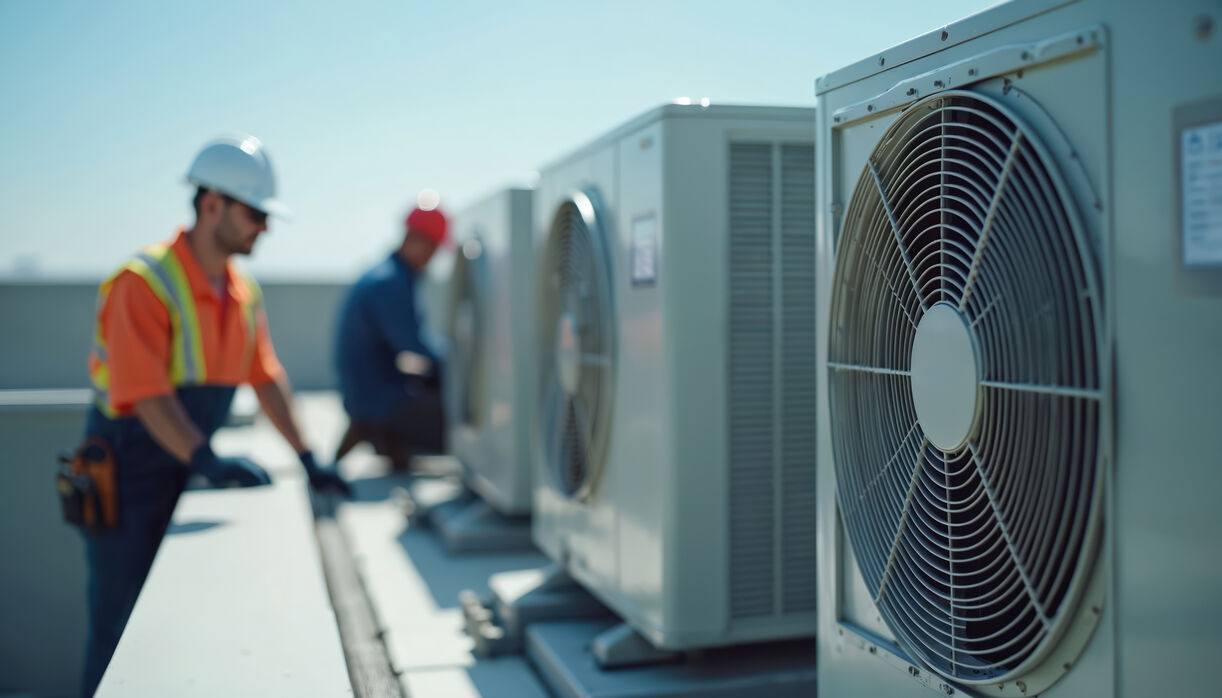
Routine maintenance compounds the value of any one-time repair. Ongoing building envelope maintenance provides:
Investing in building envelope repair, air barrier installation, and commercial air sealing is a proactive asset management strategy, not just a short-term fix. Properties with strong envelopes require fewer major renovations, maintain higher occupancy rates, and command stronger resale values.
Regular inspections and scheduled maintenance keep small repairs from snowballing into large-scale failures — and keep these savings compounding year over year.
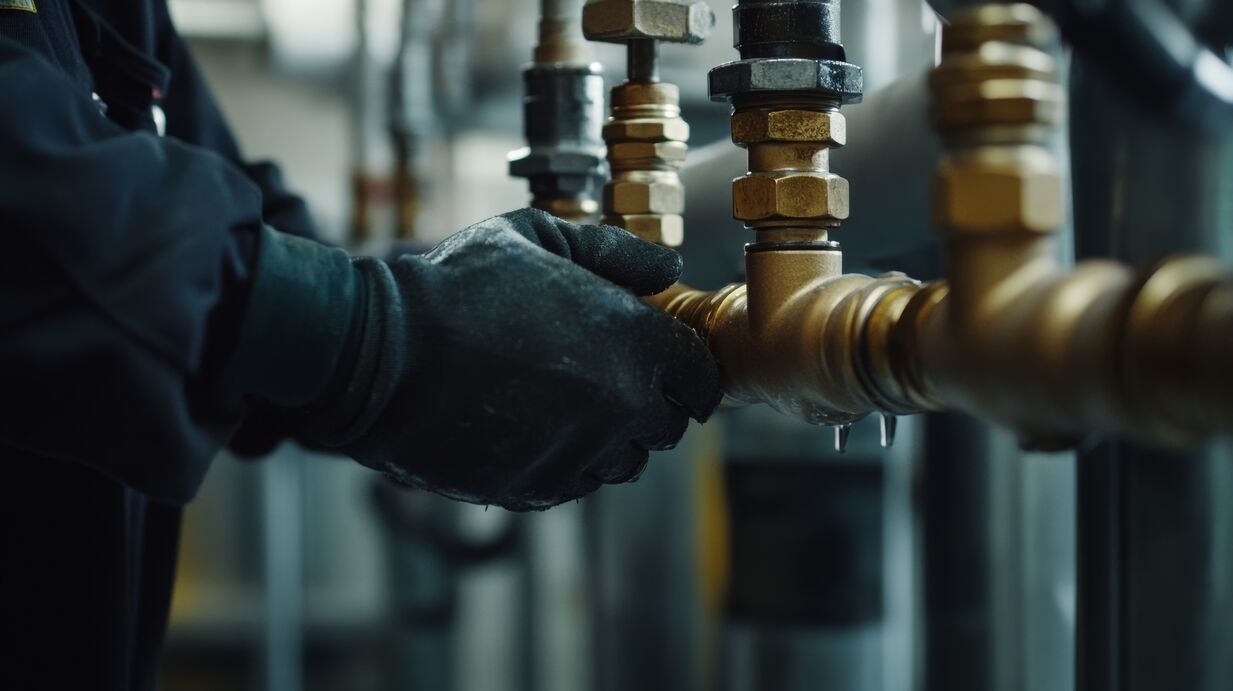
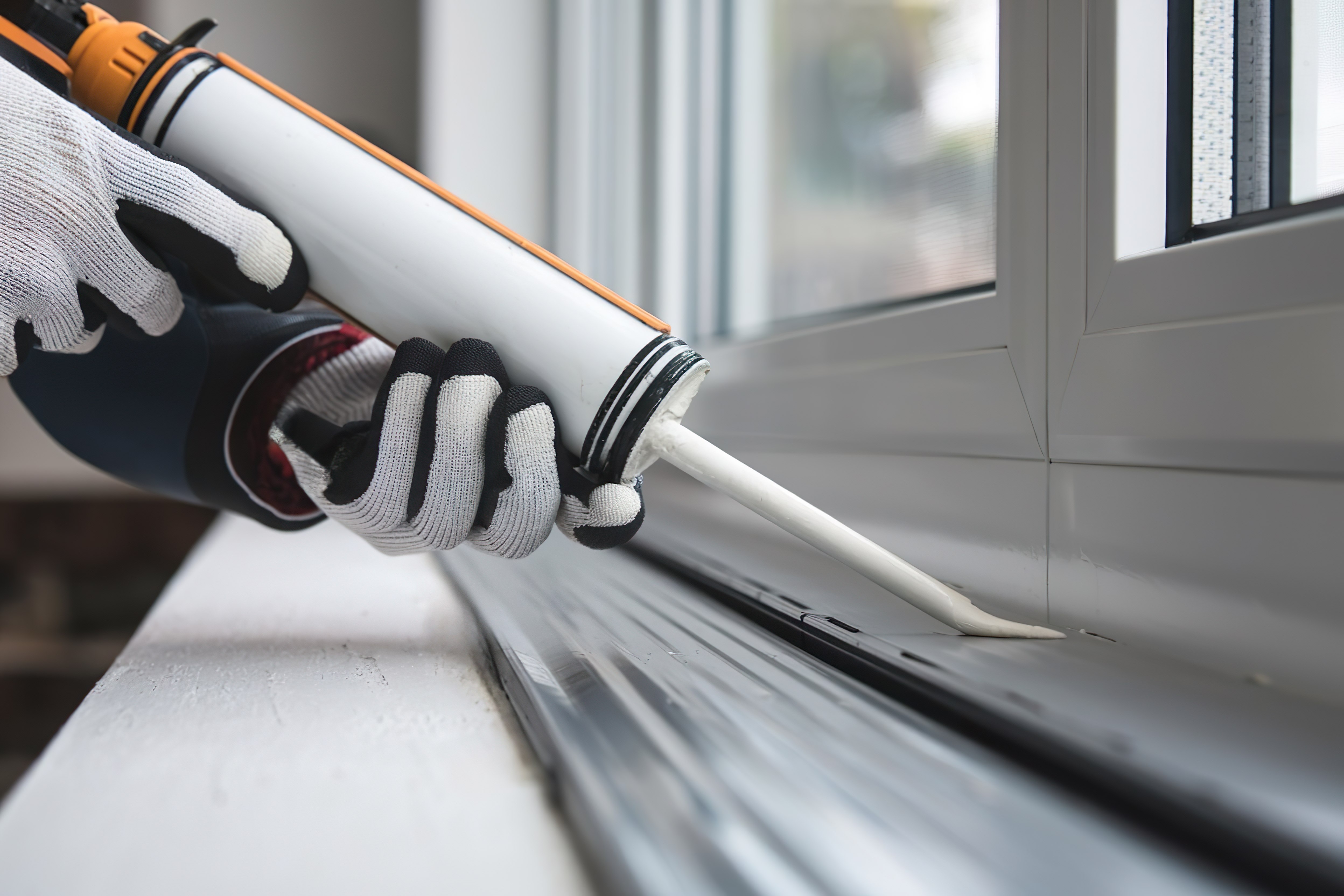
Small fixes like re-caulking a window can often be handled in-house, but commercial property owners should bring in a professional building envelope repair team when:
Professional contractors bring diagnostic tools, industry expertise, and proven repair methods that ensure long-term protection and compliance with current building codes.
A well-maintained building envelope is one of the highest-leverage investments a commercial property owner can make — it protects structural integrity, stabilizes energy costs, and preserves asset value for decades. Whether your property needs a full air barrier installation, targeted commercial air sealing, or a broader envelope inspection, addressing issues early is always less expensive than addressing them after a failure.
Get a quote from Apex Contracting to schedule an inspection and start protecting your property's long-term value today.
Air barriers reduce uncontrolled air leakage, which improves energy efficiency and protects against moisture damage inside walls and roofing systems.
Building envelope repair addresses larger structural issues across the roof, walls, and foundation, while commercial air sealing focuses on smaller leaks around windows, doors, and utility penetrations.
Schedule repairs as soon as you notice drafts, leaks, or rising energy bills, or proactively as part of routine building inspections.
Yes — sealing air leaks lowers utility expenses and reduces strain on HVAC systems, which also extends equipment lifespan.
Yes, older buildings can be retrofitted with air barriers to improve comfort, energy efficiency, and long-term durability.
Depending on the maintenance action, savings typically range from 4% to 25%; air barrier installation delivers the highest energy savings at 15–25%.
In many jurisdictions, yes — air barriers and certain envelope repairs are now required for commercial construction and renovation projects, making compliance an added benefit of timely repair.