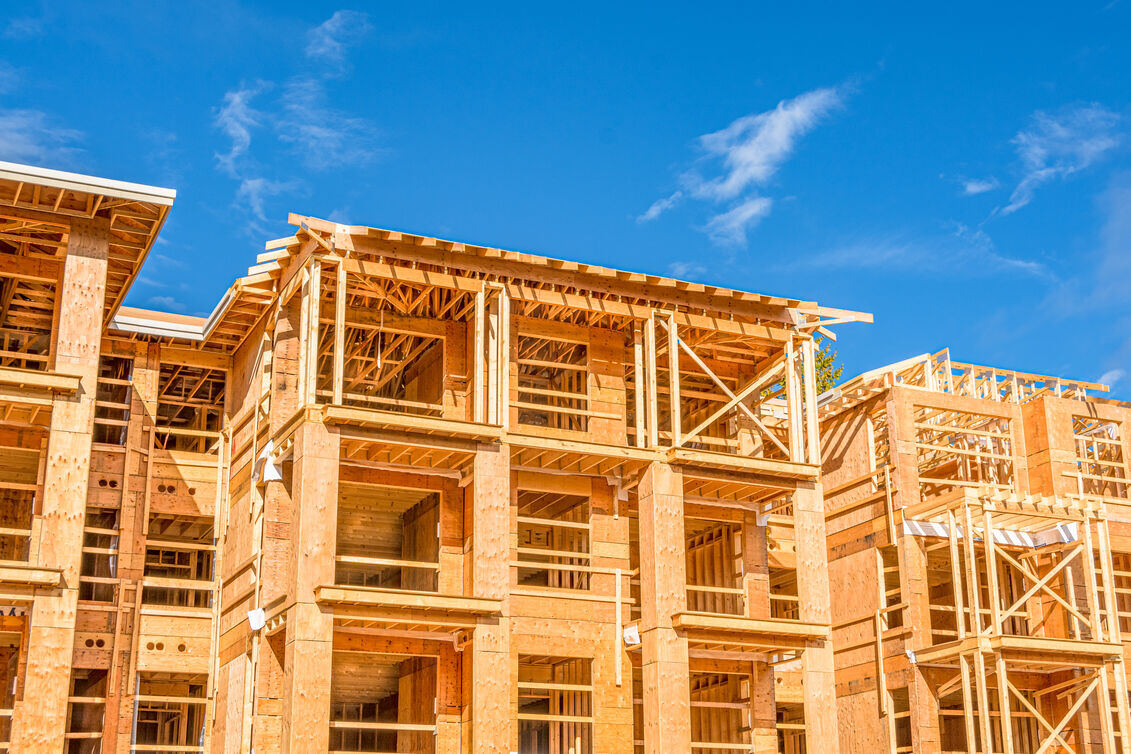
Construction quality determines long-term maintenance costs because materials and workmanship set the pace at which a building's systems degrade. A roof, HVAC system, or building envelope built to a high standard can run 10 to 15 years longer before major repair than one built to minimum code — and owners who choose the lowest bid often pay for that decision multiple times over, in early repairs, premature replacements, and unplanned downtime.
The gap compounds rather than staying fixed. Substandard flashing, undersized HVAC capacity, or poor drainage detailing doesn't just cost more to fix — it accelerates wear on the systems around it, effectively setting a building's maintenance budget for decades before a single wall goes up.
Apex Contracting builds and rebuilds commercial and multifamily properties with long-term performance in mind. If you're planning new construction or a major renovation, our team can walk through where quality decisions will affect your maintenance budget.
Not every system degrades at the same rate when construction quality is low. Some are far more sensitive to workmanship than others.
Water intrusion is the single most common source of accelerated deterioration, because it damages what's underneath before it's visible on the surface. By the time a leak shows up as a stain or a soft spot, the structure and insulation beneath it have often already been compromised for months.
Problems in foundation or early structural work are rare compared to envelope or system failures, but they're by far the most expensive to fix, since correcting them typically requires undoing finished work just to access the problem.
The cost difference isn't marginal. Industry data on building lifecycle costs consistently shows that deferred or reactive maintenance — the kind low-quality construction forces on owners — costs three to five times more than planned, preventive maintenance on the same system. A roof replaced on a proactive schedule costs a fraction of an emergency replacement after water intrusion has already damaged the structure beneath it.
The pattern holds across property types: the properties spending the most on maintenance year over year are rarely the oldest ones — they're the ones built or rebuilt with the least margin for error. Age alone doesn't drive maintenance spend; the quality of the original construction does.
Premium materials installed poorly underperform standard materials installed correctly. A high-end roofing membrane with a failed seam fails the same way a cheap one does — often faster, since the failure isn't caught early by an installer who understood the system. This is why owners comparing bids should weigh a contractor's installation process and quality control at least as heavily as the material specifications on paper.
Apex approaches every reconstruction and renovation project with documented quality control at each phase, not just a final walkthrough. That means inspecting critical connections — flashing laps, structural fasteners, sealant joints — while they're still accessible, rather than relying on a finished appearance to confirm the work underneath is sound.
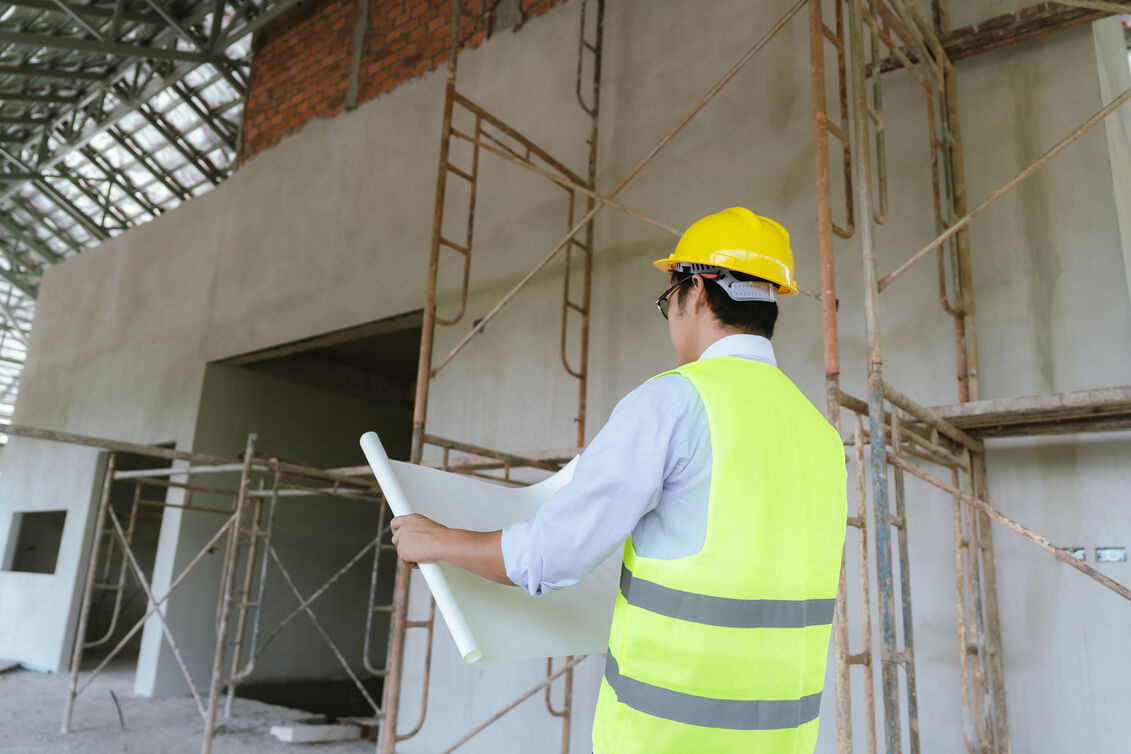
Owners don't need to be builders to catch the warning signs of low-quality work. Before, during, and after a project, it helps to check for the following:
A contractor who welcomes these questions is usually the one whose work won't need defending later. Hesitation or vague answers at this stage are often the clearest early warning sign an owner gets.
.jpg)
Yes, on all three counts, and the effect compounds the longer a property is held.

Apex Contracting builds commercial and multifamily projects to perform for decades, not just to pass inspection. Our approach includes:
We work with property owners and managers who want a building that costs less to maintain in year ten than it did in year one. That goal shapes how we sequence work, select materials, and document quality checks throughout the project.
Construction quality isn't a line item you notice at handoff — it's the variable that determines your maintenance budget for the next several decades. Owners who prioritize workmanship, documented quality control, and materials matched to their building's actual demands consistently spend less on repairs, replace systems less often, and avoid the operational disruption that comes with unplanned failures.
If you're planning new construction, a renovation, or a post-damage rebuild, Apex Contracting can help you make quality decisions that protect your maintenance budget for years to come.
Not always, and even when it does, the difference is usually small relative to the maintenance savings over the building's life. The bigger cost driver is workmanship and installation quality, not just material grade.
Some issues, like water intrusion from poor flashing, can surface within the first few years. Others, like undersized electrical capacity, may not become a problem until the building's usage changes or expands.
Yes. Targeted upgrades to the building envelope, drainage, and HVAC capacity during a renovation can meaningfully extend service life without a full reconstruction.
Poor workmanship can void manufacturer warranties on materials and, in some cases, complicate insurance claims if damage is traced back to installation defects rather than an external event.
Routine maintenance addresses wear on a planned schedule at a predictable cost. Deferred maintenance happens after a problem has already caused secondary damage, which is why it typically costs several times more to resolve.
Yes. A contractor's recent-project photos show finished appearance, not durability. References from clients five or more years into ownership tell you far more about how the work has actually held up.
Yes. Buyers and their inspectors increasingly look for documentation of quality construction and maintenance history, and a well-documented building typically moves through due diligence faster and commands a stronger price.
Yes — in reconstruction and renovation work, quality matters just as much, since new systems are often being tied into existing structures where installation errors are easier to make and harder to catch.