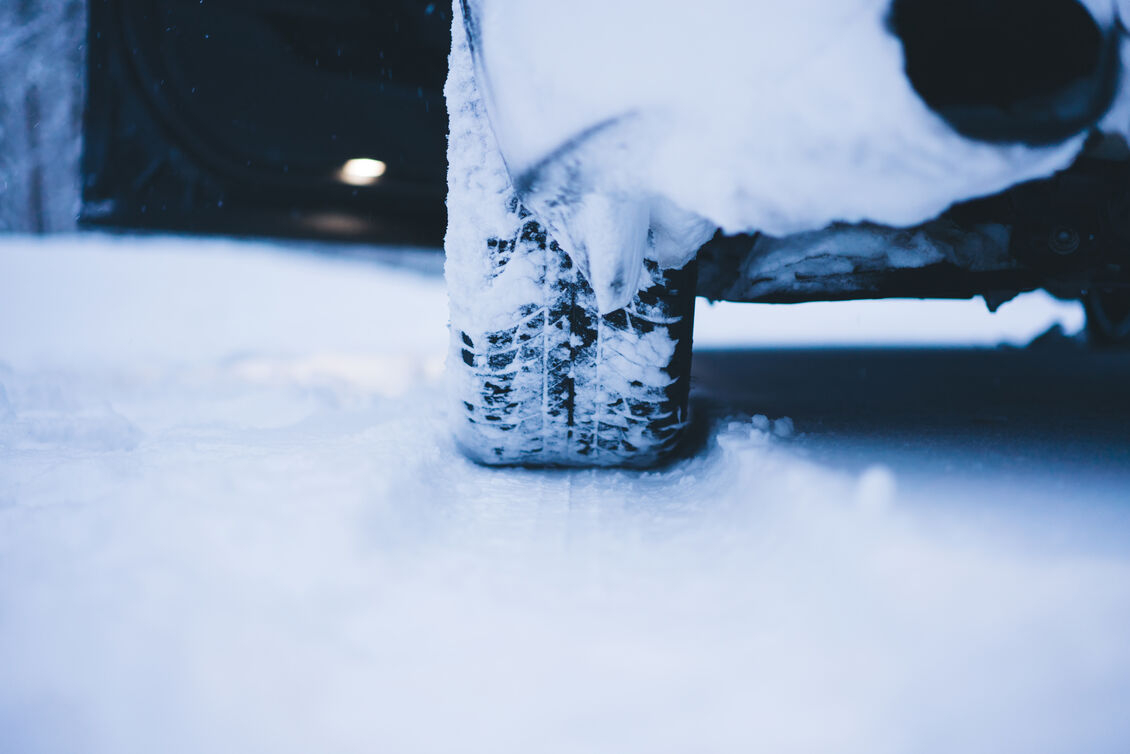
Parking structures are constantly exposed to environmental conditions that place stress on concrete, steel, waterproofing systems, and structural joints. In colder climates, freeze-thaw cycles are one of the most common causes of long-term parking garage structural damage and accelerated material deterioration.
When moisture enters concrete surfaces and freezes, it expands and creates internal pressure within the structure. Over time, repeated freeze-thaw exposure can lead to cracking, spalling, corrosion, and costly structural failures.
Without proactive maintenance and repairs, freeze-thaw damage parking structures often results in:
For property owners, developers, and asset managers, understanding how concrete freeze thaw cycles impact parking structures is essential for protecting long-term structural performance and safety.
Concrete is naturally porous, which allows moisture to penetrate the surface over time. Water can enter through cracks, joints, expansion points, or deteriorated waterproofing systems within the structure.
Once moisture enters the concrete, freezing temperatures create significant internal stress. Repeated exposure gradually weakens the material and accelerates structural concrete deterioration.
When trapped water freezes, it expands in volume and creates pressure inside the concrete. This expansion forces the surrounding material outward, contributing to cracking and internal damage.
Repeated freeze-thaw exposure compounds these stresses over time. Even small cracks can grow larger as water continues entering and freezing within the structure.
Freeze-thaw cycles are particularly damaging because they occur repeatedly throughout colder seasons. Continuous expansion and contraction gradually reduce the structural integrity of concrete surfaces and joints.
Parking structures experience additional stress from vehicle traffic, deicing chemicals, and environmental exposure. Together, these factors accelerate parking garage structural damage and increase long-term maintenance needs.
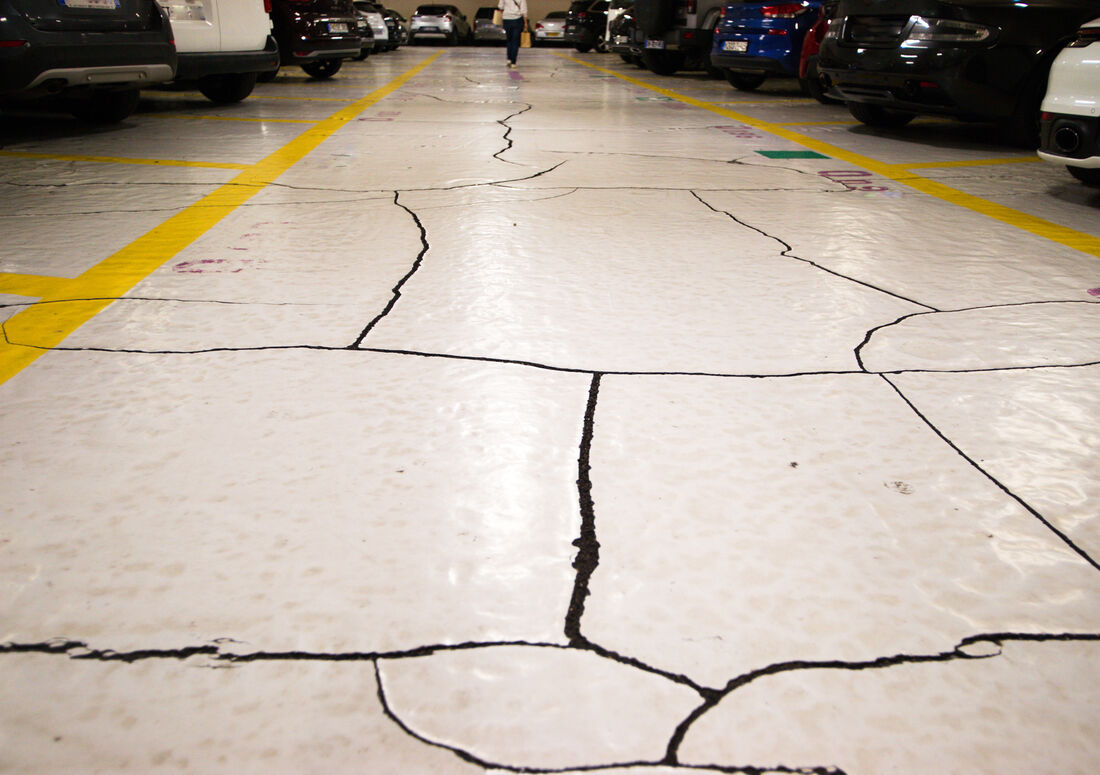
Different forms of deterioration can develop as freeze-thaw cycles impact concrete and structural systems. Identifying these issues early helps reduce repair costs and prevent more severe structural failures.
Cracking is often one of the earliest visible signs of freeze-thaw damage. As water freezes and expands within the concrete, internal pressure causes surface and structural cracks to form.
These cracks allow additional moisture to enter the structure, creating a cycle of continued deterioration. Without repairs, cracking can spread throughout larger areas of the parking structure.
Surface scaling occurs when the outer layer of concrete begins to flake or peel away due to freeze-thaw stress. More advanced deterioration can lead to spalling, where larger pieces of concrete break away from the structure entirely.
Common causes include:
Spalling not only impacts appearance but can also expose reinforcing steel to moisture and corrosion.
Moisture and deicing salts that penetrate concrete can eventually reach reinforcing steel embedded within the structure. Once corrosion begins, expanding rust creates additional internal pressure inside the concrete.
This process can weaken structural components and contribute to severe parking garage repairs if left unaddressed. Corrosion-related deterioration is one of the most serious long-term threats to parking structures.
Expansion joints and waterproofing systems are designed to protect parking structures from moisture intrusion and thermal movement. Over time, freeze-thaw cycles can degrade these protective systems and reduce their effectiveness.
Failed joints and waterproofing membranes often allow more water into the structure, accelerating deterioration throughout surrounding areas.
Parking structures face unique environmental and operational conditions that increase their exposure to freeze-thaw damage. Unlike many enclosed buildings, parking garages are often partially or fully exposed to the elements year-round.
Vehicles frequently bring snow, ice, and water into parking structures during winter months. This continuous moisture exposure increases the amount of water absorbed into concrete surfaces and joints.
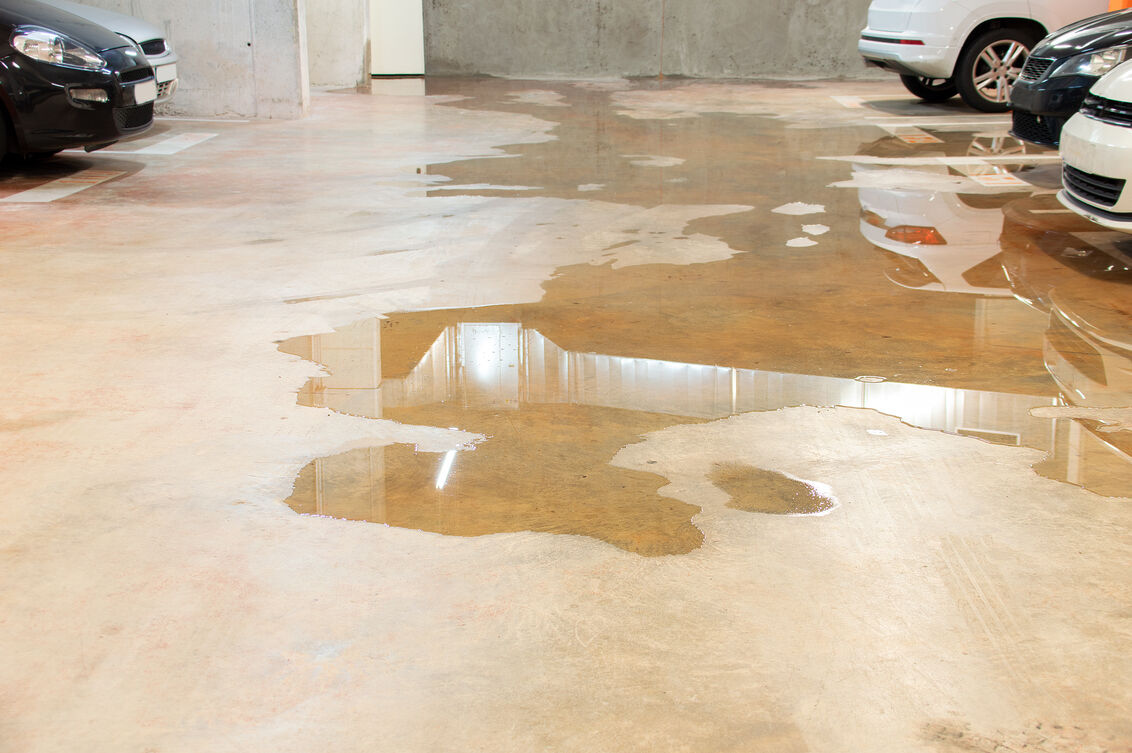
Poor drainage systems can make these conditions even worse by allowing standing water to accumulate on parking decks. Ongoing moisture exposure significantly increases the risk of structural concrete deterioration.
Parking structures experience constant traffic loads that place additional stress on already weakened concrete surfaces. Freeze-thaw damage combined with repeated vehicle loading can accelerate cracking and surface failures.
High-traffic areas are often the first locations where deterioration becomes visible. Addressing these issues early helps reduce more extensive structural damage later.
Salt and chemical deicers commonly used during winter months can significantly accelerate concrete and steel deterioration. These chemicals increase moisture penetration while also contributing to reinforcing steel corrosion.
Over time, chemical exposure can weaken concrete surfaces and reduce the effectiveness of protective coatings and waterproofing systems.
Freeze-thaw deterioration often develops gradually before becoming severe structural damage. Identifying warning signs early helps property owners plan repairs proactively and reduce long-term costs.
Common indicators include:
These issues often suggest underlying moisture intrusion or structural deterioration. Early intervention helps prevent more extensive and costly parking garage repairs.
Preventative maintenance and proactive repairs play a critical role in extending parking structure lifespan. Proper planning helps reduce moisture intrusion and minimize long-term structural deterioration.
Waterproofing systems help prevent moisture from penetrating concrete surfaces and structural components. Maintaining these systems is essential for reducing freeze-thaw exposure.
Regular waterproofing maintenance should include:
Keeping moisture out of the structure significantly reduces long-term damage risks.
Small cracks can quickly become larger structural issues if moisture continues entering the concrete. Early crack repairs help prevent water infiltration and freeze-thaw expansion within the structure.
Routine inspections help identify deterioration before major failures occur. Addressing minor issues early typically reduces long-term repair costs.
Proper drainage systems help prevent standing water from accumulating on parking decks and ramps. Effective water management reduces the amount of moisture exposed to freezing conditions.
Important drainage considerations include:
Reducing water exposure helps improve long-term parking structure maintenance outcomes.
Routine inspections help identify deterioration trends before structural conditions worsen. Parking structures should be evaluated regularly for concrete damage, corrosion, waterproofing failures, and drainage issues.
Professional assessments help property owners prioritize repairs and develop long-term maintenance plans. Proactive inspections are essential for preserving structural safety and performance.
Even well-maintained parking structures can deteriorate quickly if important preventative measures are overlooked. Avoiding common mistakes helps reduce long-term structural risks and repair costs.
Some common issues include:
Taking a proactive approach to parking structure maintenance helps reduce deterioration and improve long-term durability.
Apex Contracting specializes in parking garage repairs, waterproofing systems, and structural restoration for multifamily and commercial properties. Our team understands how freeze-thaw cycles impact concrete structures and develops repair strategies designed for long-term durability.
We offer:
We help property owners protect structural integrity, reduce maintenance costs, and extend the lifespan of parking structures through proactive repair and restoration solutions.
Freeze-thaw damage occurs when moisture enters concrete and freezes during cold temperatures. As the water expands, it creates internal pressure that can crack and weaken the structure over time.
Parking structures are frequently exposed to moisture, snow, ice, and deicing chemicals. These conditions increase water penetration and accelerate structural deterioration.
Spalling occurs when sections of concrete break away from the surface due to freeze-thaw stress, corrosion, or moisture intrusion. This damage can expose reinforcing steel and weaken structural components.
Routine inspections, waterproofing maintenance, drainage improvements, and early crack repairs all help reduce freeze-thaw deterioration and extend structure lifespan.
Repairs should be addressed as soon as signs of cracking, spalling, or water intrusion appear. Early intervention helps prevent more extensive structural damage and higher repair costs.
Deicing salts and chemicals accelerate concrete deterioration and reinforcing steel corrosion by increasing moisture penetration into the structure.
Waterproofing systems help prevent moisture intrusion into concrete surfaces and structural components. Proper waterproofing significantly reduces freeze-thaw exposure and long-term deterioration.