You recover a commercial building after damage by following eight steps: assessing the damage, securing the property, filing insurance claims, completing repairs, evaluating whether reconstruction is needed, maintaining business continuity, implementing prevention upgrades, and passing a final inspection before reopening. The right order matters — moving too fast into repairs before the property is secured and documented can void insurance coverage and create new safety hazards. Most commercial building repair projects take a few weeks, while full commercial reconstruction can take several months. Working with an experienced commercial restoration services provider from day one shortens downtime and reduces the risk of costly rework.
Apex Contracting has guided businesses across California, Colorado, Arizona, Utah, Washington, Nevada, Georgia, Texas, and Florida through every stage of this process — from emergency stabilization to full reconstruction. If your commercial property has been damaged, our team can assess the situation and outline a clear recovery plan.

Recovering a commercial property is a sequence, not a single task. Skipping ahead — for example, starting repairs before insurance documentation is complete — is one of the most common (and expensive) mistakes owners make.
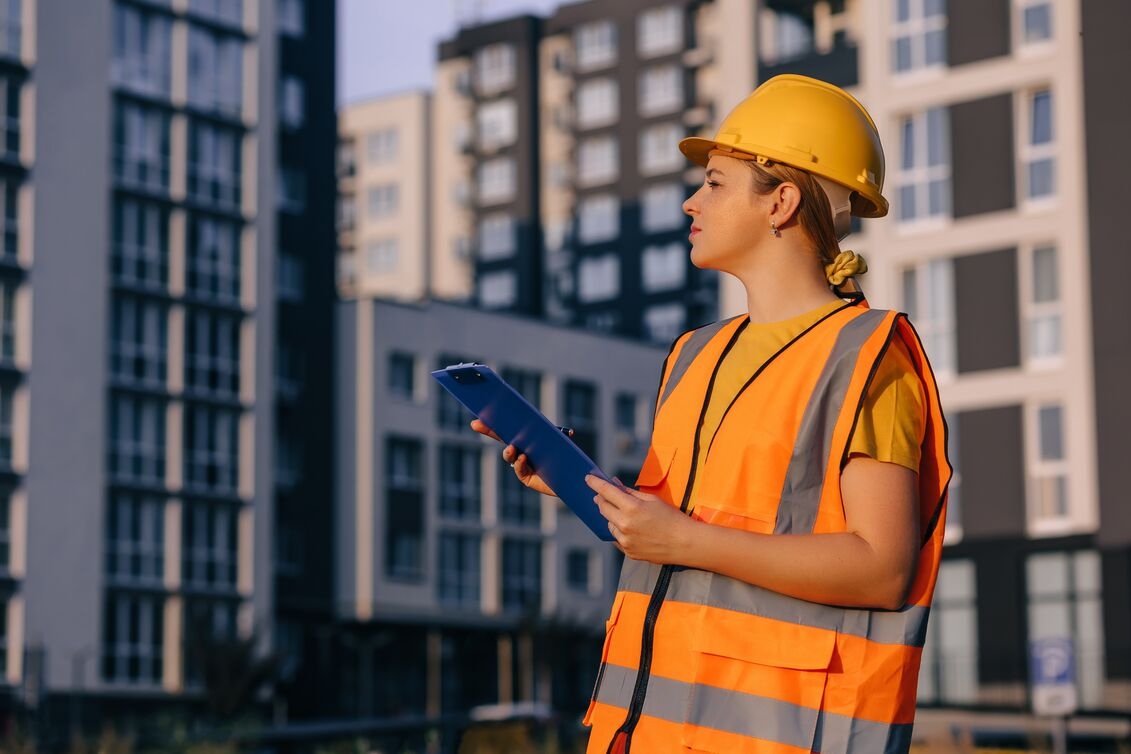
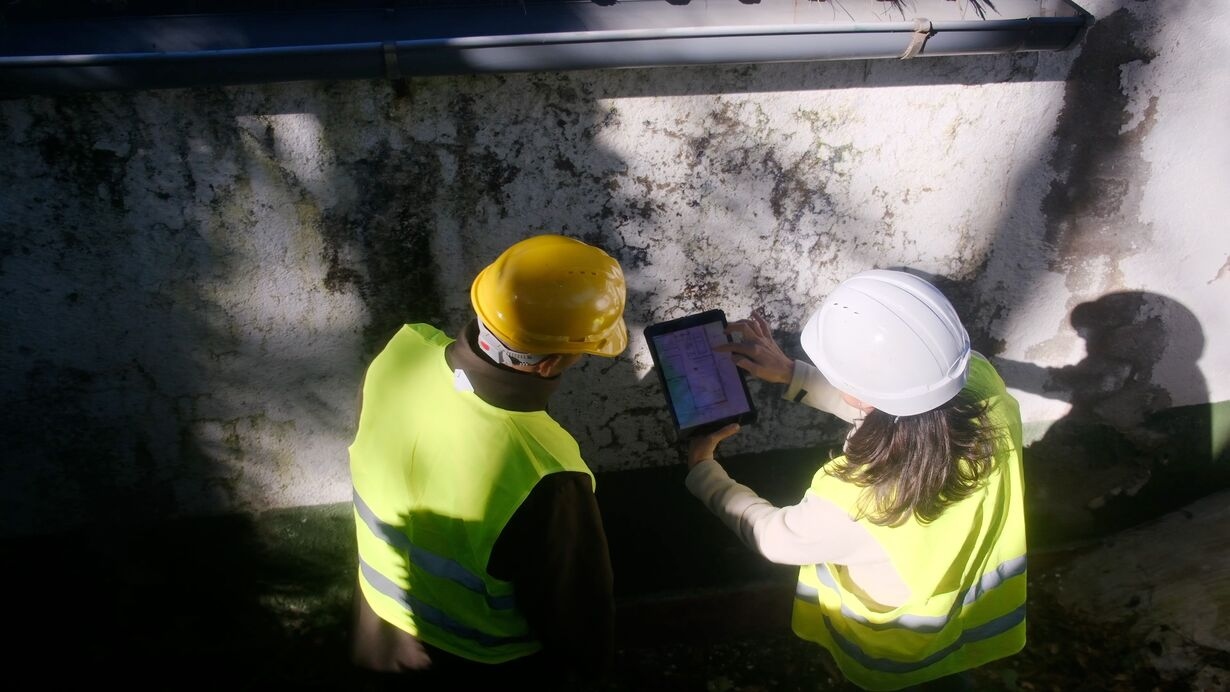
A licensed contractor should evaluate structural integrity, safety hazards, and system damage across electrical, plumbing, HVAC, and the foundation before any other work begins. Photographing and documenting every affected area is essential for insurance claims and determines whether the building needs targeted commercial building repair or more extensive reconstruction.
Before recovery work starts, the site needs to be secured. Tarping roofs, boarding windows, and setting up safety barriers are temporary measures that prevent additional damage. Rapid-response commercial restoration services are typically used here to address hazards like water intrusion, mold growth, or fire residue before they spread. Acting quickly at this stage protects the property and shortens the overall timeline to reopening.
Filing an insurance claim promptly is critical, and contractors experienced in commercial restoration can supply the detailed reports, cost estimates, and documentation adjusters need to process claims faster. Beyond insurance, businesses should also research disaster-related tax relief programs or deductions, which can meaningfully offset out-of-pocket recovery costs.
Once safety measures are in place, repair work begins — roofing, siding, flooring, electrical, and plumbing systems are restored to pre-loss condition. High-quality commercial building repair also brings the property into compliance with current building codes, and many owners use this stage to modernize systems for better efficiency.
When damage is too extensive for repair alone — structural compromise, large-scale fire destruction, or major flooding — commercial reconstruction becomes necessary. Reconstruction requires more planning and permitting than repair, but it also creates an opportunity to rebuild a stronger, more resilient property that better serves current business needs.
Recovery doesn't have to mean a full shutdown. A continuity plan typically includes relocating to a temporary facility, restoring phone/email/IT systems, and providing regular updates to staff, customers, and stakeholders. Clear communication during this stage protects business relationships that took years to build.
After repairs or reconstruction are complete, prevention becomes the priority — upgrading to impact-resistant roofing, improving drainage systems, or installing fire suppression technology. Many restoration providers, including Apex Contracting, offer preventative consultations designed to reduce the risk of a repeat incident.
Before reopening, a final inspection confirms every system is safe, operational, and code-compliant. This is also the point where many businesses share their recovery story with tenants, clients, and customers to reinforce that operations are fully back and, in many cases, improved.
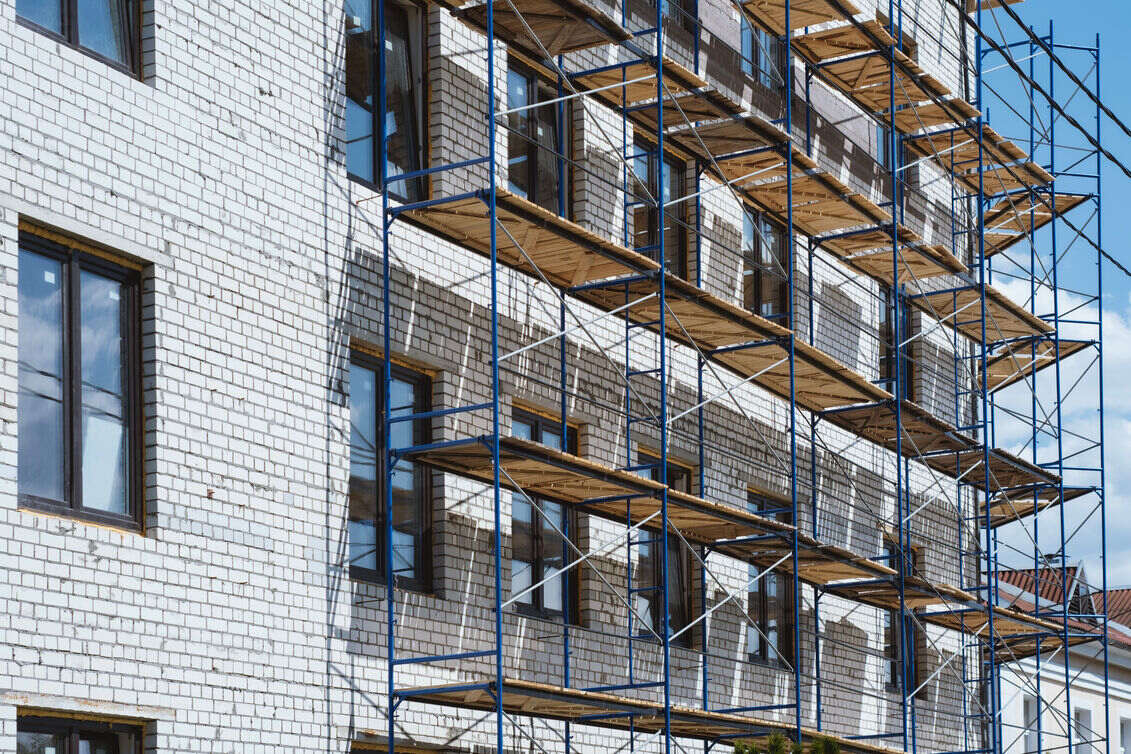
Timelines depend entirely on the extent of damage. Minor commercial building repair projects often take just a few weeks, while large-scale reconstruction after major structural or fire damage can extend to several months. Insurance claim processing speed and permitting timelines also affect the total recovery window.
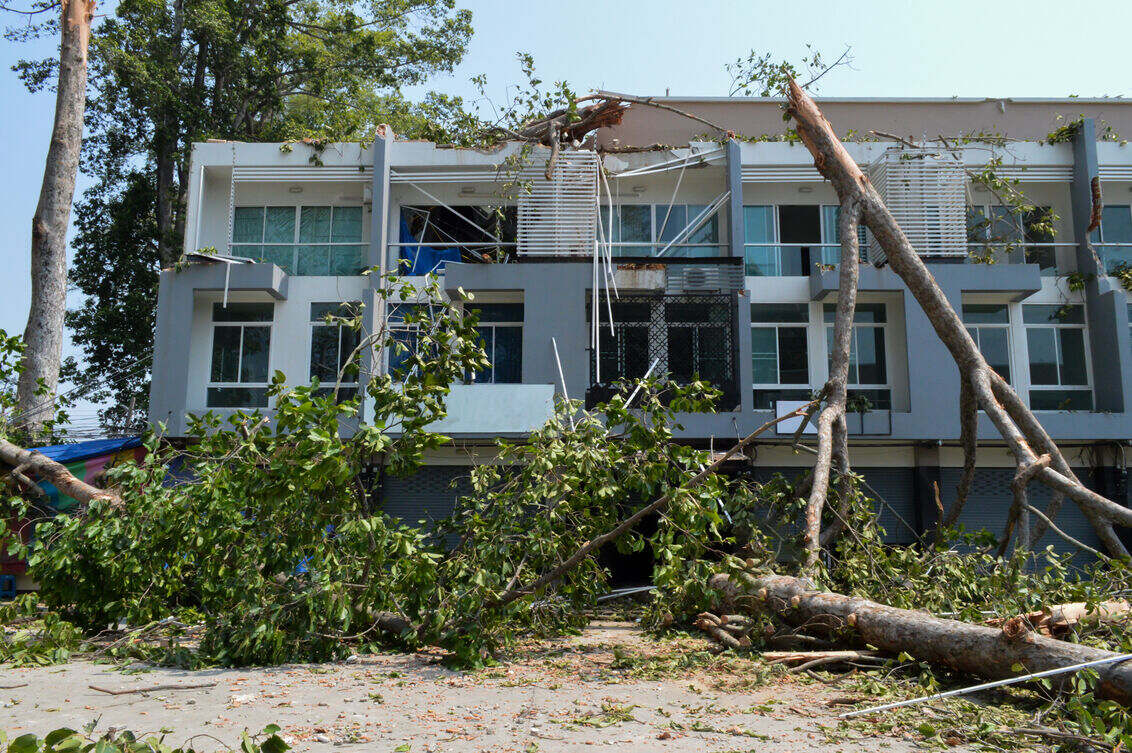
Fire, water, storm, mold, biohazard, natural disaster, and vandalism damage all require different immediate responses and different long-term prevention strategies. The table below outlines the recommended approach for each.

Multifamily and student housing recovery has to balance physical repairs with tenant well-being. That typically means:
Prompt, transparent communication during this process maintains tenant trust and reduces turnover — both of which directly affect a property's income during recovery.
Not every contractor is equipped to handle large-scale commercial or multifamily recovery. Look for a partner who offers:
A contractor with these qualities guides you through every stage — from the first emergency call to long-term prevention planning — rather than handing off pieces of the job to subcontractors.
Apex Contracting combines decades of restoration experience with modern recovery techniques to help businesses get back to operating quickly. Apex serves California, Colorado, Arizona, Utah, Washington, Nevada, Georgia, Texas, and Florida, providing tailored solutions at every stage of recovery — from emergency restoration through reconstruction and preventative planning. Get a quote from Apex Contracting to start your recovery plan.
Recovering a commercial building comes down to sequencing: assess first, secure the site, document everything for insurance, repair or reconstruct as needed, keep the business running where possible, invest in prevention, and confirm safety before reopening. Businesses that follow this order — and partner with an experienced commercial restoration services provider — consistently recover with less downtime and fewer surprises.
If your business is located in Texas, Colorado, Florida, California, Washington, Utah, Georgia, Arizona, or Nevada, Apex Contracting is ready to help with expert commercial reconstruction and repair solutions.
Reconstruction is the better choice when damage compromises the building's structure — foundation instability, major fire destruction, or extensive flooding. Remodeling fits better when the building itself is intact but needs updates or layout changes. Learn more about when to consider reconstruction over remodeling.
Timelines vary by damage severity: minor commercial building repair projects can take a few weeks, while large-scale reconstruction can span several months. Insurance approval speed and permitting also factor into the total timeline.
Most commercial property insurance policies cover damage from common events like storms, fire, or water leaks. Working with contractors who can provide detailed documentation for adjusters helps ensure claims are processed without unnecessary delays.
Regular maintenance, safety inspections, and preventative upgrades — such as stronger roofing, better drainage, or backup power systems — reduce risk and make any future recovery faster and less costly.
Contact a licensed contractor for a full damage assessment before doing anything else. This step determines the safety risks, informs your insurance claim, and shapes whether the property needs repair or full reconstruction.
In many cases, yes — a business continuity plan involving temporary relocation, restored communication systems, and clear stakeholder updates allows operations to continue in some form while repairs or reconstruction are underway.
Yes. Recovery for these properties has to account for tenant relocation, communication about timelines, and compliance with housing regulations, in addition to the physical repair or reconstruction work itself.