The Southeast presents unique construction challenges due to its consistently high humidity levels, frequent rainfall, and prolonged exposure to moisture. While these environmental conditions can affect all building types, they are particularly problematic during interior build-out projects where materials are highly sensitive to moisture exposure.
Without proper planning and moisture control measures, humidity can compromise finishes, flooring systems, wall assemblies, and mechanical systems long before a project reaches the end of its expected lifecycle. Many interior build-out failures stem from moisture-related issues that were either overlooked or inadequately addressed during construction.
Property owners and facility managers often encounter:
For owners, developers, and asset managers, understanding how humidity and moisture damage impacts interior construction is essential for protecting long-term building performance and investment value.
Unlike many regions that experience seasonal moisture fluctuations, the Southeast often experiences elevated humidity levels for much of the year. This means construction materials may be exposed to moisture before installation, during construction, and throughout the life of the building.
When humidity remains consistently high, many building materials absorb moisture from the surrounding air. Over time, this can affect dimensional stability, material performance, and overall durability.
One of the biggest challenges with humidity-related building damage is that the effects are not always immediately visible. Materials may appear stable during installation but begin deteriorating months later as trapped moisture creates ongoing issues.
This delayed deterioration often results in unexpected repair costs and warranty claims. Identifying moisture risks early is critical for preventing long-term failures.
Interior Build-Outs Are Particularly Vulnerable
Interior build-outs frequently involve moisture-sensitive materials such as drywall, flooring adhesives, millwork, insulation, and finish systems. These materials often perform well under normal conditions but can fail prematurely when exposed to excessive humidity.
Proper moisture control construction practices help ensure these materials perform as intended throughout their expected lifespan.
Different building components respond differently to prolonged moisture exposure. Understanding these vulnerabilities helps property owners and contractors reduce risk during Southeast commercial renovations.
Flooring systems are among the most common areas affected by interior construction moisture issues. Excess moisture can interfere with adhesive performance, cause expansion, and create visible surface defects.
Common flooring problems include:
These failures often require costly removal and replacement if moisture levels are not properly controlled before installation.
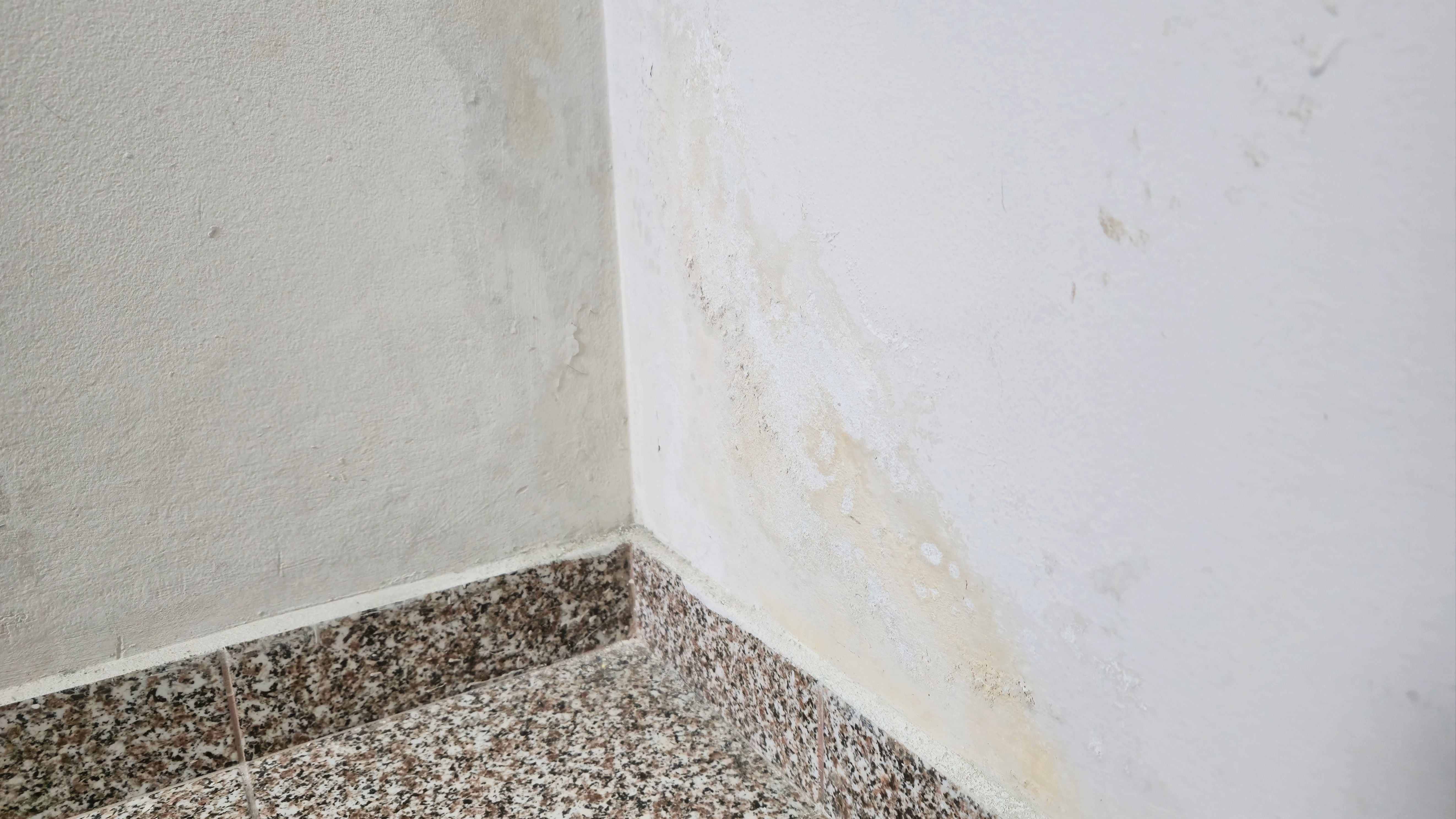
Drywall readily absorbs moisture when exposed to humid conditions. Excessive moisture can weaken panels, create staining, and promote mold growth within wall assemblies.
Over time, humidity and moisture damage can lead to:
Preventing moisture intrusion during construction and pre-construction planning is critical for maintaining wall system integrity.
Cabinetry, trim, doors, and architectural wood finishes are particularly susceptible to humidity fluctuations. As materials absorb and release moisture, they can expand, contract, and lose dimensional stability.
Common symptoms include:
Selecting appropriate materials and controlling humidity levels helps minimize these problems.
Moisture can also affect ceiling systems and insulation performance. Excess humidity often reduces insulation effectiveness while creating conditions that support mold and mildew growth.
Compromised insulation can lead to higher energy costs, reduced comfort, and additional maintenance concerns throughout the building.
Mold requires three primary conditions to grow: moisture, organic material, and suitable temperatures. The Southeast naturally provides an ideal environment for mold development if moisture is not properly controlled.
Many common building materials contain organic components that can support mold growth when exposed to elevated moisture levels. Once mold becomes established, remediation can be both expensive and disruptive.
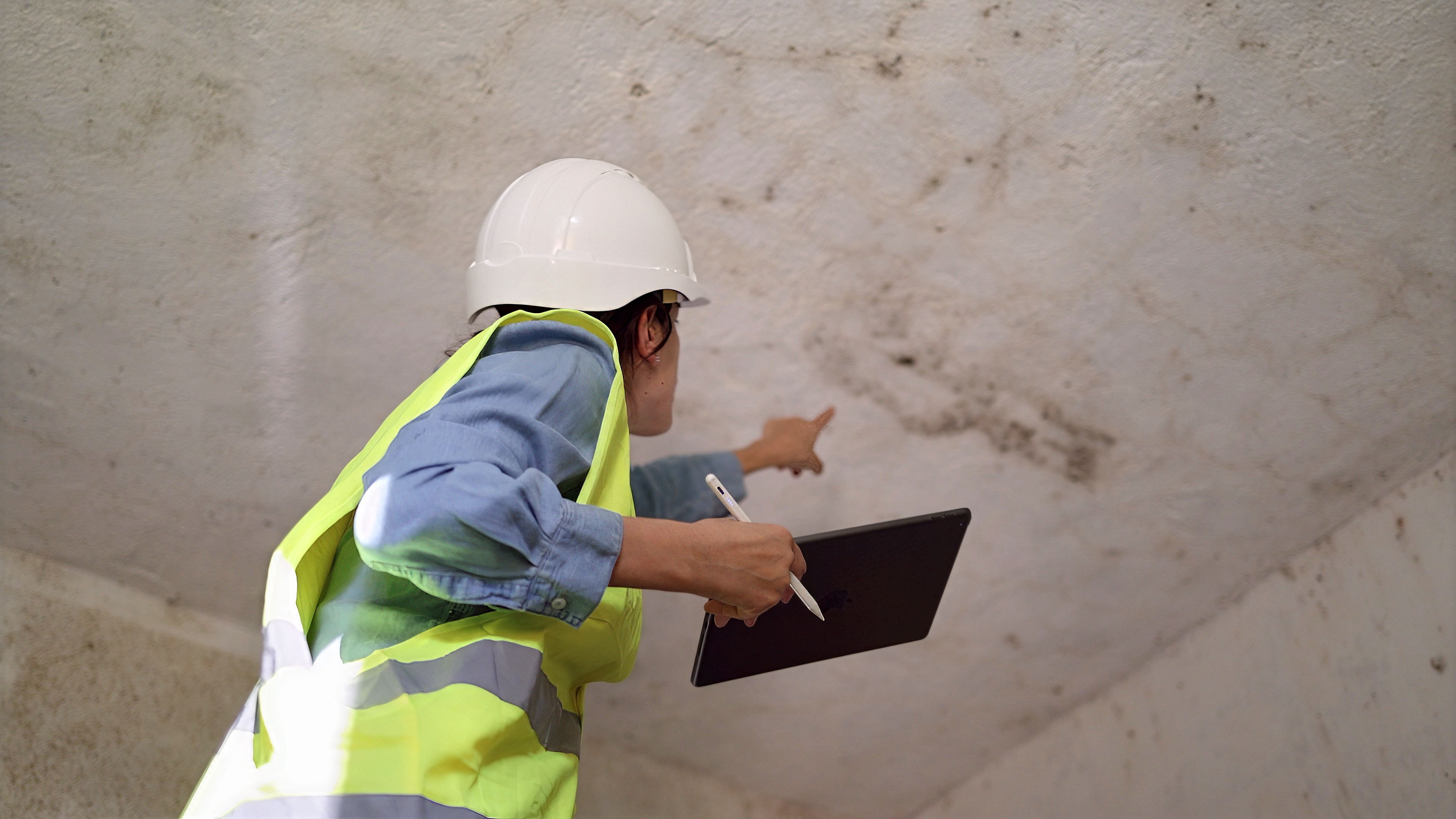
Some of the most serious mold problems occur in concealed spaces where moisture is difficult to detect. Wall cavities, ceiling plenums, and flooring systems can trap moisture for extended periods without visible warning signs.
These hidden conditions often contribute to extensive interior build-out failures before the underlying problem is discovered.
Effective mold prevention building materials and construction practices help reduce future risks. Moisture management should be incorporated into every phase of the project, from material storage to final occupancy.
Proactive planning is often far less expensive than remediation after problems develop.
Humidity impacts more than just building materials—it can also significantly affect HVAC performance and indoor environmental quality.
Buildings in humid climates often require HVAC systems to manage both temperature and moisture levels. When humidity levels remain elevated, systems must work harder to maintain comfortable indoor conditions.
This additional workload can lead to:
Proper system design plays a critical role in long-term building performance.
Excess moisture contributes to poor indoor air quality by supporting mold growth and increasing airborne contaminants. Occupants may experience discomfort, odors, or health concerns when humidity levels are not properly controlled.
Maintaining balanced indoor humidity helps create healthier and more comfortable environments for building occupants.
When warm humid air contacts cooler building surfaces, condensation can occur. This moisture accumulation often contributes to hidden deterioration behind walls, ceilings, and mechanical systems.
Addressing humidity control early helps reduce these long-term risks.
Successful Southeast commercial renovations require proactive moisture management throughout planning, construction, and occupancy.
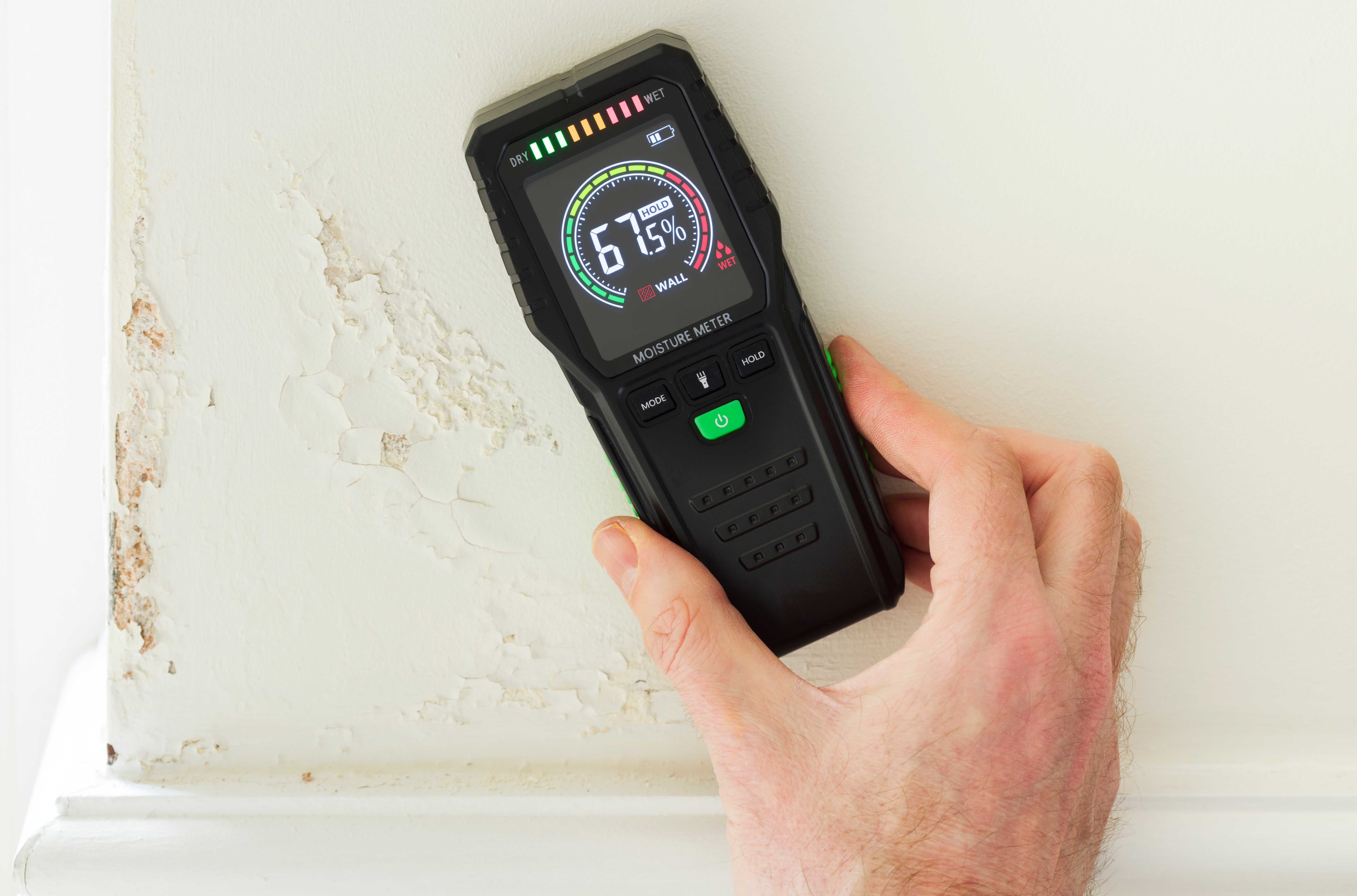
Effective moisture control construction strategies help reduce exposure throughout the project lifecycle. Managing moisture before problems occur is significantly more cost-effective than addressing failures later.
Best practices include:
These measures help support long-term project success.
Certain materials perform better in humid environments than others. Choosing products specifically designed for moisture exposure can improve durability and reduce maintenance needs.
Examples include:
Material selection plays a major role in preventing future failures.
Water intrusion often begins with deficiencies in the building envelope. Roofing systems, windows, waterproofing assemblies, and exterior walls should all be evaluated carefully.
Preventing moisture entry from the outside helps reduce many common interior construction moisture issues.
Routine inspections help identify developing moisture problems before they become significant failures. Early detection often reduces repair costs and minimizes operational disruptions.
Regular assessments should include:
A proactive approach supports better long-term building performance.
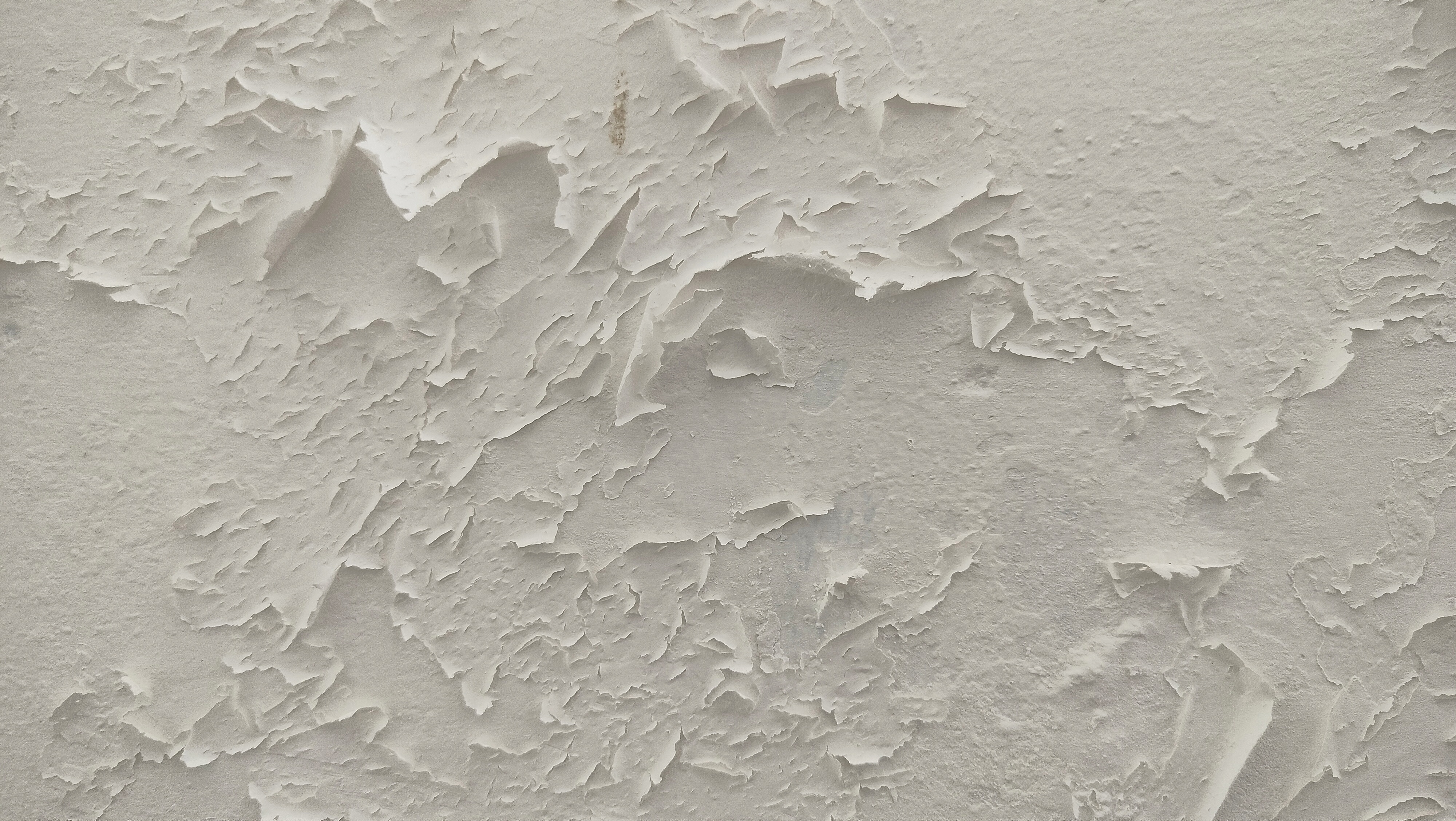
Moisture-related deterioration often develops gradually before becoming a major issue. Recognizing warning signs early helps property owners respond before conditions worsen.
Common indicators include:
These symptoms often indicate underlying humidity-related building damage that requires further investigation.
Even well-designed projects can experience failures when moisture management is overlooked. Avoiding common mistakes helps reduce risk and improve long-term performance.
Some common issues include:
Taking a proactive approach to moisture management helps prevent many common interior build-out failures.
Apex Contracting understands the unique challenges humidity and moisture create throughout the Southeast. Our team helps property owners implement construction strategies, material selections, and moisture control solutions designed to support long-term building performance.
We offer:
We help property owners complete projects successfully while minimizing moisture risks, reducing maintenance costs, and protecting long-term asset value.
Humidity can cause materials to absorb moisture, leading to expansion, warping, adhesive failure, and premature deterioration over time.
Flooring failures, drywall damage, mold growth, millwork warping, and insulation issues are among the most common problems.
Moisture introduced during construction can become trapped within building assemblies and lead to long-term performance issues after occupancy.
Proper moisture control, humidity management, material protection, and ventilation strategies all help reduce mold risks.
HVAC systems help regulate indoor humidity levels and remove excess moisture from the building environment.
Yes. Moisture-resistant drywall, mold-resistant insulation, humidity-tolerant flooring systems, and specialized coatings often perform better in humid environments.
Routine inspections, moisture testing, indoor air quality monitoring, and building envelope evaluations can help identify concealed moisture issues before significant damage occurs.