You choose the right commercial reconstruction contractor by verifying four things before signing anything: proven commercial reconstruction experience, fluency with insurance claims, a documented preconstruction process, and a single defined point of contact for the project. Skipping this vetting — often because a contractor is available immediately or quotes the lowest price — is one of the most common ways property owners end up with delays, cost overruns, and rework months into the job.
The stakes are higher than they look at the start. A contractor's competency during preconstruction alone often decides whether a commercial reconstruction closes on budget or drifts into change orders and disputed insurance line items. Working with an experienced commercial reconstruction contractor from day one shortens the timeline and protects the claim that's funding the rebuild.
Apex Contracting has guided property owners and managers through commercial and multifamily reconstruction, from initial damage assessment through final walkthrough. If your property has been damaged, our team can evaluate the scope and outline a clear path forward.
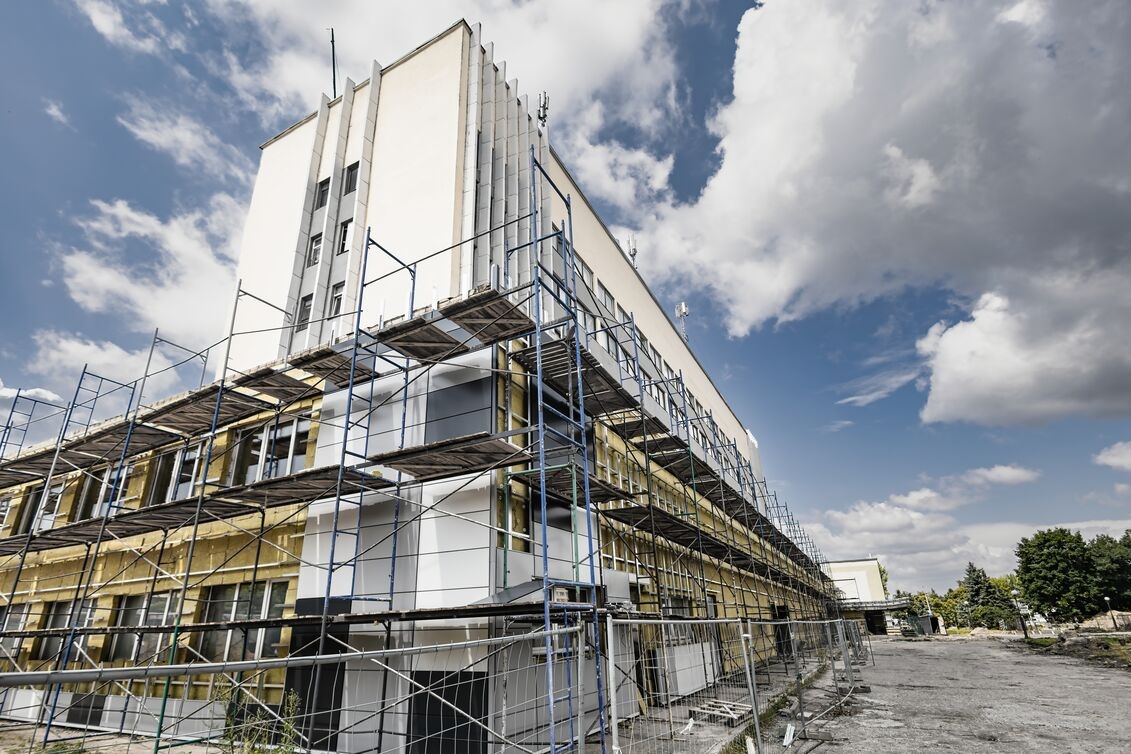
Reconstruction is not the same job as ground-up construction. It requires managing:
A contractor who only builds new construction typically isn't equipped to manage these variables. If you're weighing whether a project should be a repair, a full reconstruction, or new construction entirely, our comparison of renovation vs. ground-up construction ROI breaks down how those paths differ on cost and timeline. A qualified reconstruction contractor identifies risks early, rather than reacting to them after work starts.
The right contractor for a commercial reconstruction has proven experience with insurance-driven rebuilds, is fluent in how claims documentation works, and follows a documented preconstruction process backed by clear, consistent communication throughout the project.
Not every contractor specializes in reconstruction. Ask for direct evidence of experience with:
Reconstruction requires different sequencing, safety planning, and code knowledge than new-build work — experience in one doesn't guarantee competence in the other.
A qualified contractor should be able to:
This is often the single biggest factor separating a smooth claim from a stalled one.
Before any work begins, a reliable contractor should provide:
Weak preconstruction planning is the most common source of "surprise" costs later in the project, which is the same discipline behind a well-funded capital expenditure plan for any major property investment.
Reconstruction projects involve property owners, insurers, tenants, and multiple trades. Expect:
Poor communication, not workmanship, is the most common cause of reconstruction delays.

Watch for these red flags before signing a contract:
If a contractor can't clearly explain their process before you hire them, that gap usually shows up mid-project, and it tends to show up as cost, not just as delay.
A contractor's answers to these five questions reveal how organized, and how prepared, they actually are.

Some tasks after property damage can reasonably stay in-house. Others require a licensed contractor's assessment and sign-off.
Property Managers Can Handle These Tasks Internally
Licensed Contractors Should Handle These Tasks
Attempting to manage structural assessments or code compliance internally is one of the most common, and costliest, mistakes property owners make.
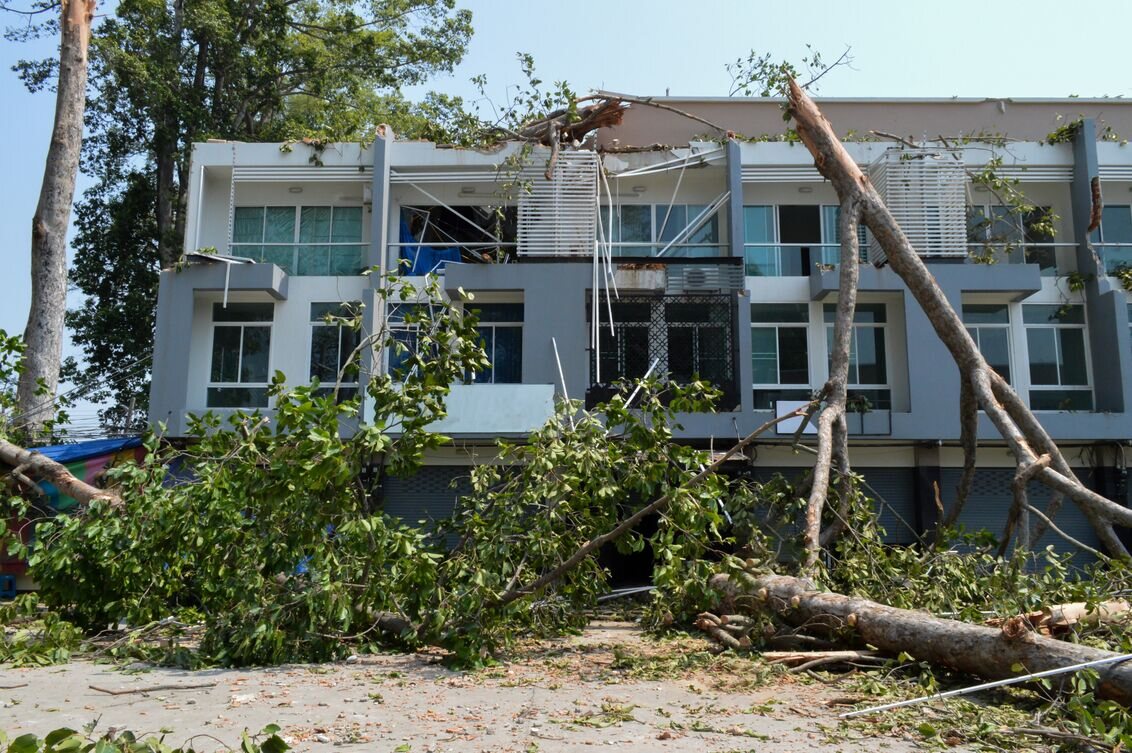
Delays after property damage compound the cost and scope of repair, and acting quickly helps property owners:
Early involvement from a qualified contractor is what keeps a claim, and a rebuild, on schedule. The math behind this is the same as the compounding cost of delay we've documented in unrelated maintenance decisions: the longer a fix waits, the more it tends to cost.
Choosing a commercial reconstruction contractor comes down to verification: confirm real reconstruction experience, insurance fluency, a documented preconstruction process, and a single point of contact, before you sign, not after. Property owners who vet on these four points consistently avoid the delays and rework that come from hiring on price or availability alone.
Apex Contracting specializes in commercial and multifamily reconstruction, providing end-to-end support from initial assessment through project completion, built around detailed preconstruction planning, direct and transparent communication, well-sequenced execution, and code-compliant workmanship. We work directly with property owners, managers, and insurance providers to keep projects on time and on budget. If your property has experienced damage, we're ready to assess the scope and walk you through the recovery process from day one.
If your property has structural damage, water intrusion, fire damage, or large-scale repair needs, you need a contractor with specific reconstruction experience, not a general contractor.
Some can, but not all specialize in it. Choose a contractor who can show direct experience with damage-related, insurance-driven projects specifically.
As soon as possible. Delaying reconstruction typically increases both the extent of damage and the total repair cost.
Yes. An experienced reconstruction contractor regularly documents damage, builds estimates, and communicates directly with adjusters as part of the claims process.
Waiting too long to act, or hiring a contractor without verified reconstruction experience. Both mistakes typically increase delays and costs.
A reconstruction contractor specializes in insurance-driven rebuilds, hidden damage, and work performed in occupied buildings, skills a typical new-construction general contractor doesn't necessarily have.
A complete estimate itemizes labor, materials, and scope line by line, and should align with the documentation your insurance adjuster requires. Vague, lump-sum estimates are a warning sign, not a convenience.
A reliable contractor sets the initial timeline collaboratively and updates you in writing whenever it shifts. You shouldn't have to ask for a status update to get one.
Yes, but it's costly and slows the project further, since a new contractor has to re-assess the scope and often renegotiate with the insurer. This is why vetting thoroughly before signing matters more than fixing a bad choice mid-project.
Indirectly, yes. A contractor experienced with insurance documentation typically secures a more accurate, defensible claim than one who isn't, which can affect how much of the rebuild is covered.