Climate has a significant impact on the lifespan of exterior siding, paint, and protective coatings. Factors such as UV exposure, humidity, rainfall, freeze-thaw cycles, extreme temperatures, coastal salt air, and wind-driven debris can accelerate material deterioration and shorten replacement timelines. Property owners who understand how local climate conditions affect building materials can make more informed decisions about product selection, maintenance schedules, and renovation planning.
For multifamily property owners, commercial building owners, and asset managers, climate-related wear should be considered during every exterior renovation project. Choosing weather-resistant exterior materials and implementing proactive maintenance strategies can help extend service life, reduce repair costs, and protect long-term property value.
Climate is one of the most important factors affecting the long-term performance of exterior building systems. Even high-quality materials will deteriorate more quickly when exposed to harsh environmental conditions without proper maintenance and protection.
Different regions create different challenges for building exteriors. Properties in hot desert climates experience different forms of wear than buildings in coastal regions, humid environments, or areas with harsh winters. Understanding these environmental factors helps property owners plan more effectively for future maintenance and renovations.
Exterior siding, paint, and coatings are continuously exposed to weather conditions throughout their lifespan. Unlike interior finishes, these materials serve as the first line of defense against environmental stress.
Common environmental stressors include:
Over time, these conditions can gradually reduce material performance and appearance.
Properties located in harsher climates often require more frequent maintenance and shorter replacement cycles. Building owners who fail to account for climate conditions may experience premature failures and unexpected capital expenses.
Understanding climate impact on building materials helps property owners budget more accurately and maximize return on investment.
The best exterior products for one region may not perform well in another. Successful exterior renovation projects consider both product quality and environmental compatibility.
Selecting climate-appropriate materials helps improve durability while reducing future maintenance requirements.
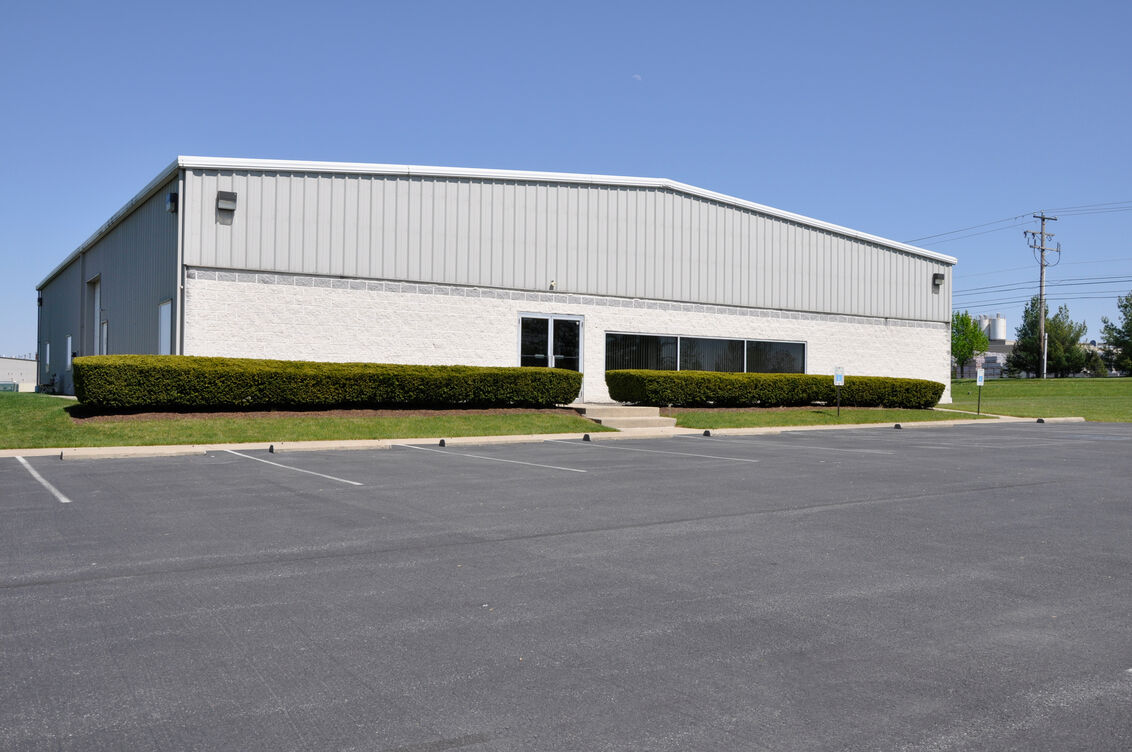
Sun exposure is one of the most common causes of exterior material deterioration. Ultraviolet radiation gradually breaks down paint pigments, coatings, sealants, and certain siding materials.
Continuous UV exposure causes paint colors to fade over time and can weaken protective coating systems. South- and west-facing building elevations often experience the most significant deterioration because they receive the greatest amount of direct sunlight.
As protective finishes degrade, underlying materials become more vulnerable to additional weather-related damage.
High temperatures cause many exterior materials to expand and contract throughout the day. Repeated thermal movement can create stress on siding panels, joints, fasteners, and coatings.
Common heat-related issues include:
Over time, these conditions can significantly reduce exterior siding lifespan.
Modern building exterior coatings are designed to resist UV degradation and maintain performance under prolonged sun exposure. High-performance coatings often provide better color retention and improved durability compared to standard paint systems.
Property owners in high-sun environments should prioritize UV-resistant products during renovation projects.
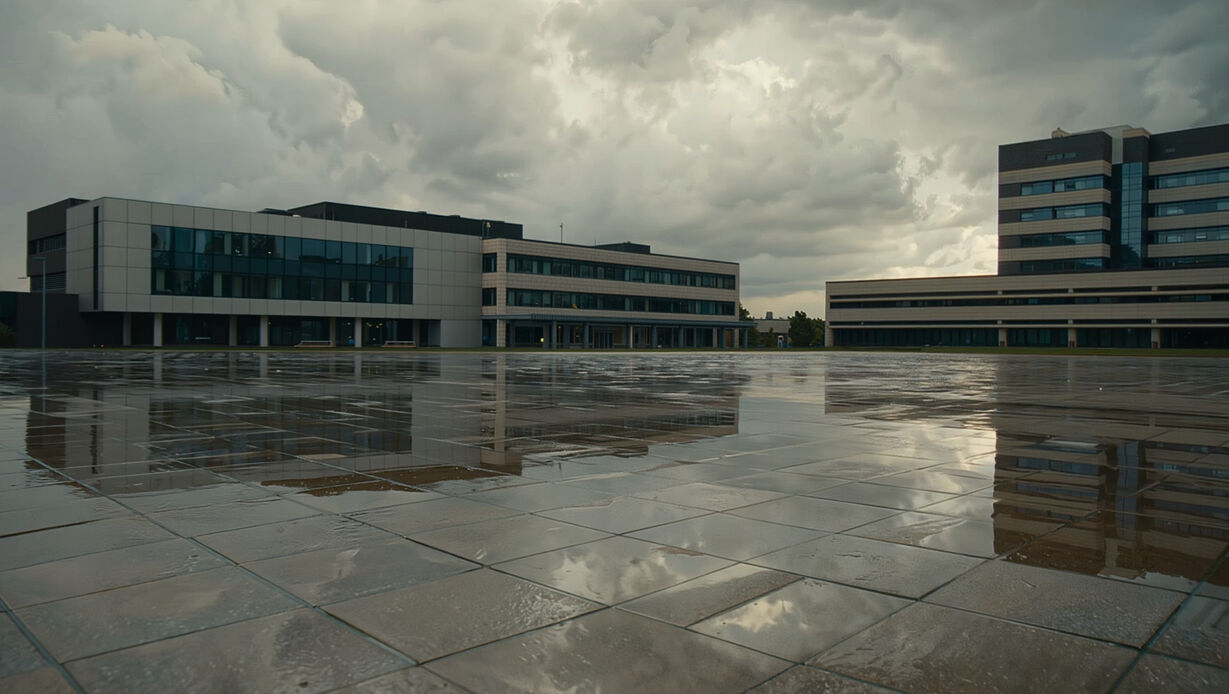
Moisture is one of the most damaging environmental factors affecting building exteriors. Excessive water exposure can accelerate deterioration, promote biological growth, and compromise protective finishes.
High humidity levels can contribute to paint failure, coating breakdown, and moisture accumulation within wall assemblies. Over time, repeated moisture exposure can weaken both finishes and structural components.
Properties in humid climates often require more frequent inspections and maintenance to identify issues before significant damage occurs.
Water that penetrates exterior systems can create a variety of long-term problems. Improper drainage, failed sealants, and damaged coatings increase the likelihood of moisture intrusion.
Common moisture-related issues include:
These conditions can significantly shorten exterior paint lifespan if left unaddressed.
Successful exterior systems rely on proper drainage, flashing, waterproofing, and ventilation. Maintaining these components helps reduce moisture exposure and extend material lifespan.
Routine inspections play a critical role in identifying water-related issues before they become major repairs.
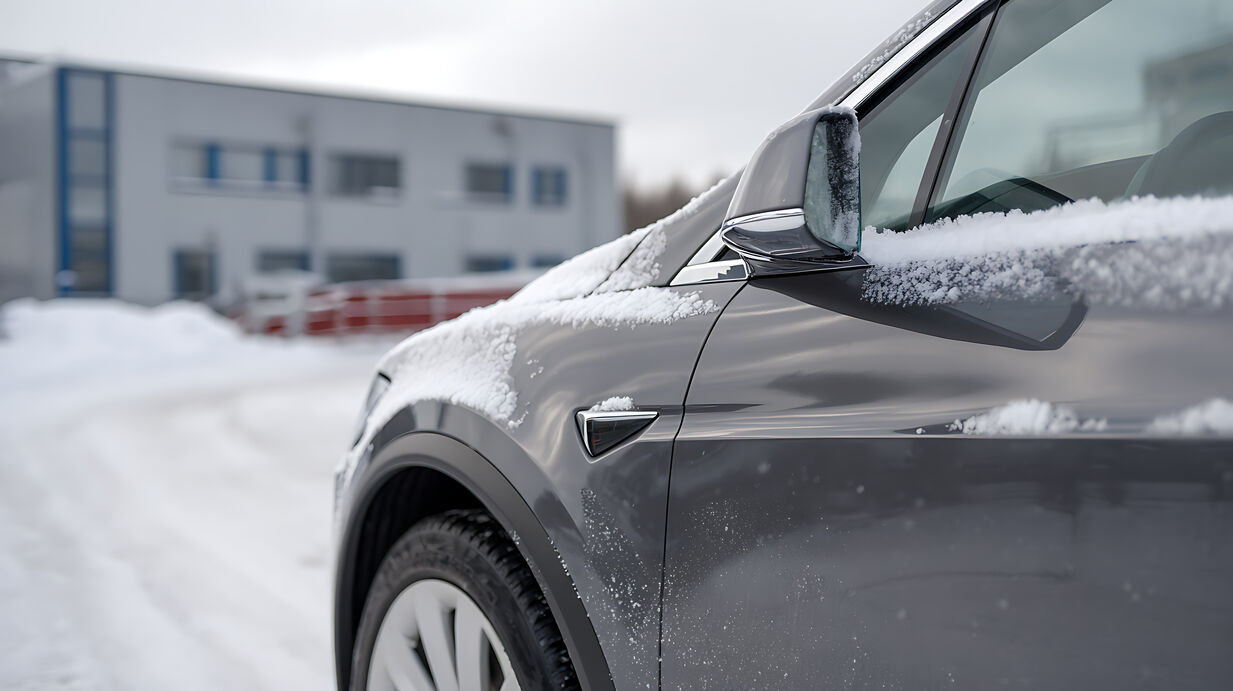
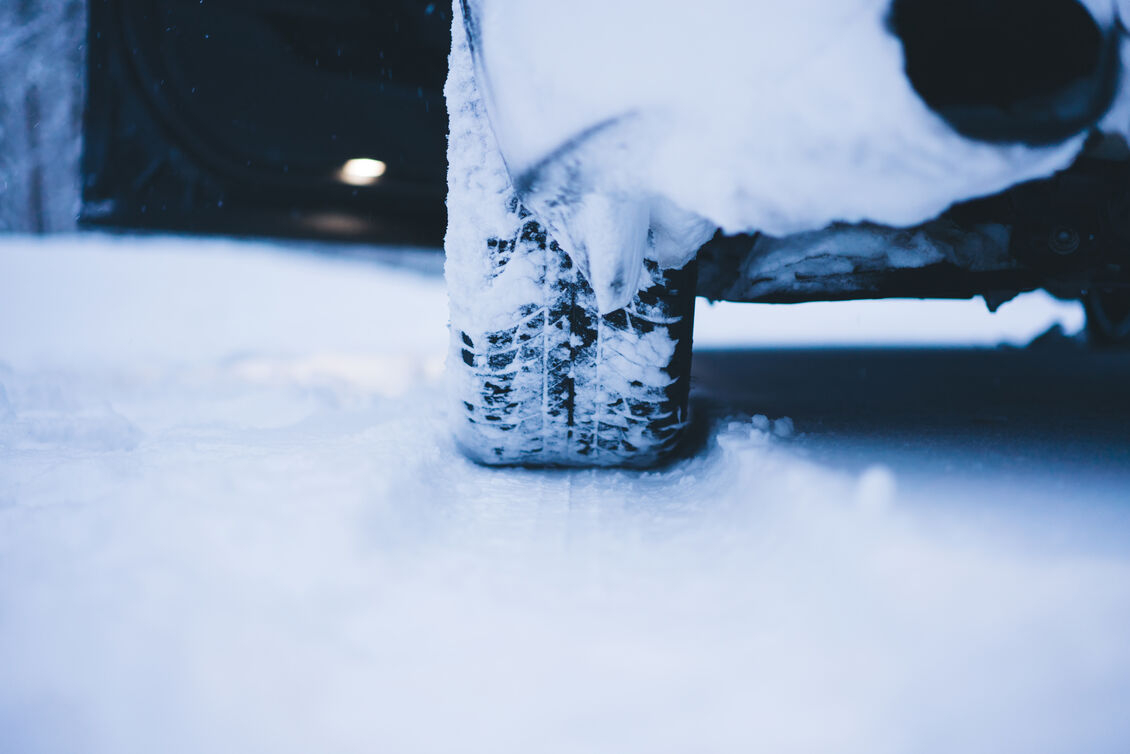
Cold-weather climates create unique challenges for exterior materials. Freeze-thaw cycles occur when moisture enters materials, freezes, expands, and then thaws repeatedly.
When trapped moisture freezes, it expands and places pressure on surrounding materials. Repeated freeze-thaw cycles gradually weaken surfaces and increase the likelihood of cracking.
Common effects include:
These conditions are particularly common in regions with frequent temperature fluctuations.
Minor cracks and surface damage often allow additional moisture to enter the system. As freeze-thaw cycles continue, these vulnerabilities can expand and accelerate deterioration.
Early repairs help prevent larger structural and cosmetic issues from developing.
Maintaining coatings, sealants, and drainage systems helps reduce freeze-thaw damage. Proactive commercial exterior maintenance is often significantly less expensive than major repairs or premature replacement.
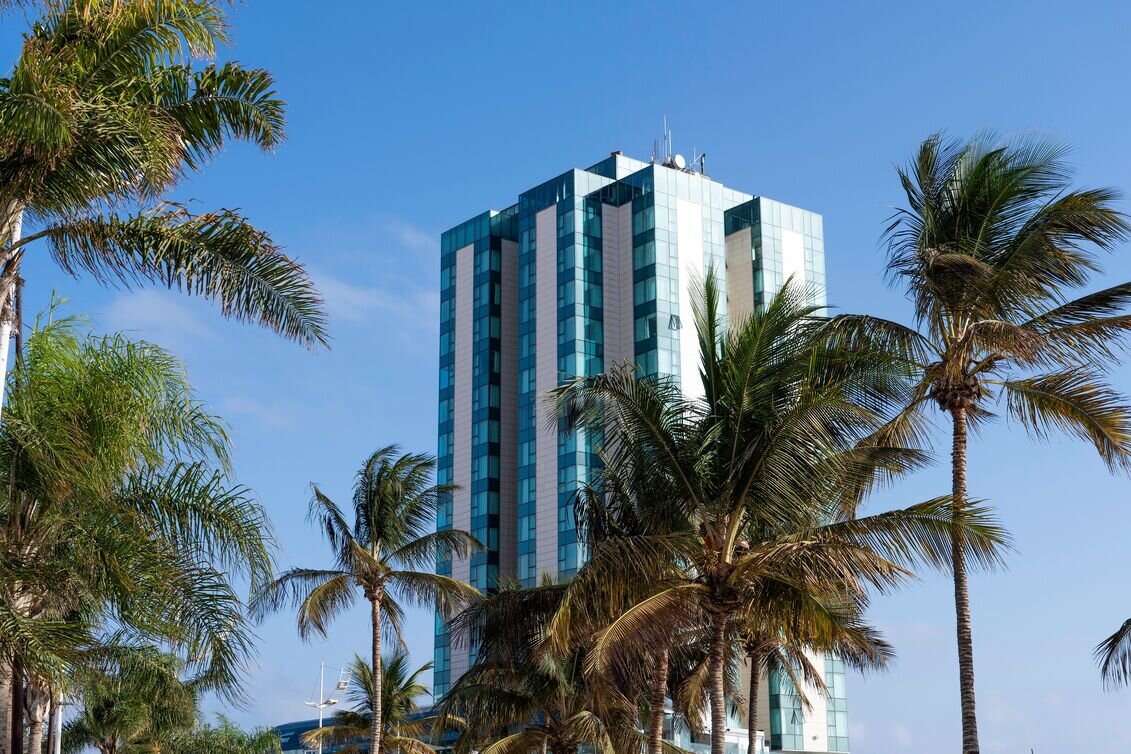
Properties located near oceans and large bodies of saltwater face additional environmental challenges. Salt exposure can significantly accelerate deterioration across multiple building systems.
Salt particles carried by wind can accumulate on exterior surfaces and contribute to corrosion. Metal components, fasteners, and certain coating systems are particularly vulnerable.
This exposure often shortens service life if materials are not properly selected and maintained.
Coastal regions frequently experience elevated humidity levels and wind-driven rain. These conditions increase moisture exposure and can accelerate paint and siding deterioration.
Building owners should prioritize weather-resistant exterior materials designed for coastal applications.
Many manufacturers offer products specifically engineered for coastal environments. These systems often provide improved resistance to corrosion, UV exposure, and moisture intrusion.
Selecting the appropriate products can significantly extend siding replacement timelines in coastal regions.
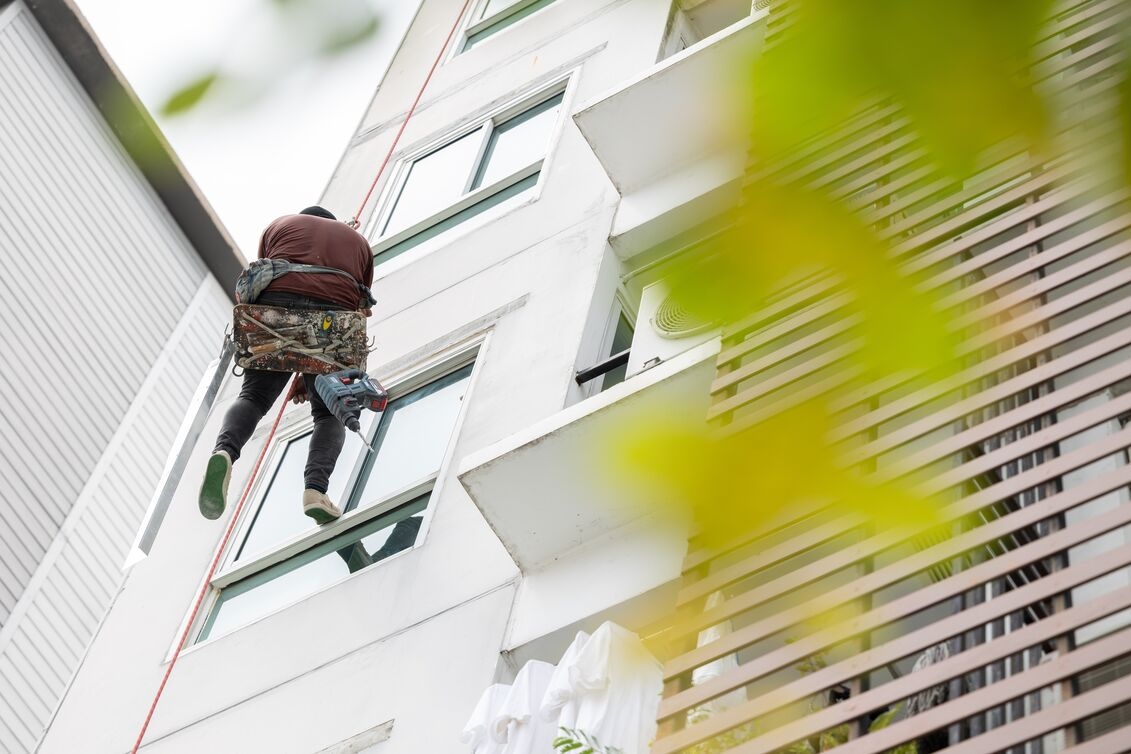
Exterior material lifespan varies significantly depending on climate, product quality, installation methods, and maintenance practices.
General paint lifespan ranges include:
Actual performance varies based on environmental exposure and maintenance.
Common siding lifespans include:
Climate conditions can significantly shorten or extend these timelines.
While product quality matters, ongoing maintenance often has the greatest impact on long-term performance. Regular inspections, cleaning, repairs, and recoating help maximize lifespan and reduce replacement costs.
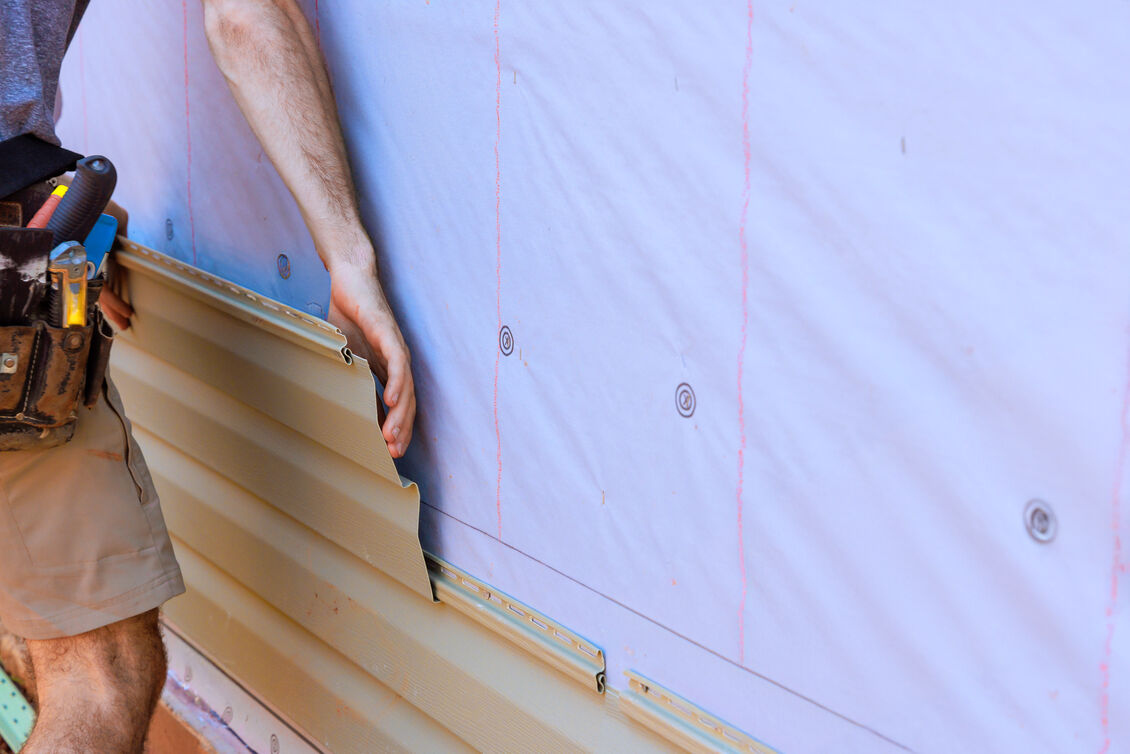
Climate-related deterioration cannot be eliminated entirely, but proactive maintenance can significantly improve performance and longevity.
Regular inspections help identify developing issues before they become major failures. Property owners should evaluate siding, paint, sealants, and drainage systems on a routine basis.
Early intervention often reduces repair costs and extends service life.
Dirt, pollutants, mold, and mildew can accelerate deterioration when left untreated. Periodic cleaning helps maintain appearance while preserving coating performance.
Cleaning schedules should reflect local environmental conditions.
Waiting until paint or coatings completely fail often leads to more extensive repairs. Recoating surfaces before significant deterioration occurs helps maintain protection and reduce lifecycle costs.
A proactive siding replacement timeline and coating maintenance plan supports long-term asset performance.
Apex Contracting helps property owners evaluate exterior building conditions and develop renovation strategies based on local climate challenges. Our team understands how environmental conditions affect siding, coatings, and exterior systems across diverse markets throughout the United States.
We offer:
We help property owners improve durability, reduce lifecycle costs, and maximize the long-term performance of exterior building systems.
Climate, material quality, installation quality, and ongoing maintenance are the primary factors affecting exterior siding lifespan.
Most exterior paint systems require repainting every 5–15 years depending on climate conditions, product quality, and maintenance practices.
Yes. Heat, humidity, freeze-thaw cycles, and coastal conditions all affect building materials in different ways and can influence replacement timelines.
Fiber cement, metal siding, and certain masonry systems often provide the longest service life when properly maintained.
Yes. High-performance building exterior coatings help protect materials from UV exposure, moisture intrusion, and environmental deterioration.
Most commercial and multifamily properties should undergo exterior inspections at least annually, with additional evaluations after severe weather events.
Yes. Proactive maintenance is typically far less expensive than major repairs or premature replacement and helps maximize the lifespan of exterior systems.
Climate plays a major role in determining the lifespan of exterior siding, paint, and coatings. UV exposure, moisture, freeze-thaw cycles, coastal conditions, and temperature fluctuations all contribute to material deterioration over time. Understanding how these environmental factors affect building exteriors helps property owners make smarter renovation and maintenance decisions.
By selecting weather-resistant exterior materials, implementing proactive maintenance strategies, and planning for climate-specific challenges, property owners can extend service life, reduce costs, and protect long-term asset value. If you're evaluating exterior upgrades or planning a renovation project, Apex Contracting can help develop a strategy tailored to your property's environment and long-term performance goals.