Texas multifamily properties face unique renovation challenges due to prolonged exposure to extreme heat, intense sunlight, and seasonal temperature fluctuations. These environmental conditions can significantly impact the lifespan and performance of building materials, mechanical systems, and exterior components over time.
Without proper planning and material selection, excessive heat exposure can lead to accelerated deterioration, increased maintenance costs, and reduced energy efficiency. During Texas multifamily renovations, property owners often encounter:
For property owners, developers, and asset managers, understanding how extreme heat building materials perform in Texas climates is essential for protecting long-term property value and improving renovation outcomes.
Extreme heat can significantly shorten the lifespan of many common construction materials. Constant exposure to UV radiation and high temperatures places continuous stress on roofing systems, sealants, siding, paint, and waterproofing components. Over time, materials exposed to prolonged heat often crack, warp, fade, or lose structural integrity. Understanding how materials respond to Texas climates helps property owners make more durable renovation decisions.
High outdoor temperatures place substantial demand on HVAC systems throughout multifamily communities. Buildings with poor insulation or outdated materials often struggle to maintain indoor comfort during peak summer months.
This increased cooling demand can lead to:
Energy-efficient upgrades play a critical role in improving long-term operational performance during Texas apartment renovations.
Extreme heat causes continuous expansion and contraction across many building materials. This thermal movement can gradually weaken structural connections, joints, and exterior systems over time. Thermal expansion building materials concerns are especially important in regions where temperatures fluctuate dramatically between seasons and even between day and night. Without proper design considerations, repeated movement can contribute to cracking, separation, and moisture intrusion.
Different materials respond differently to prolonged heat exposure. Understanding which systems are most vulnerable helps property owners prioritize preventative maintenance and renovations more effectively.
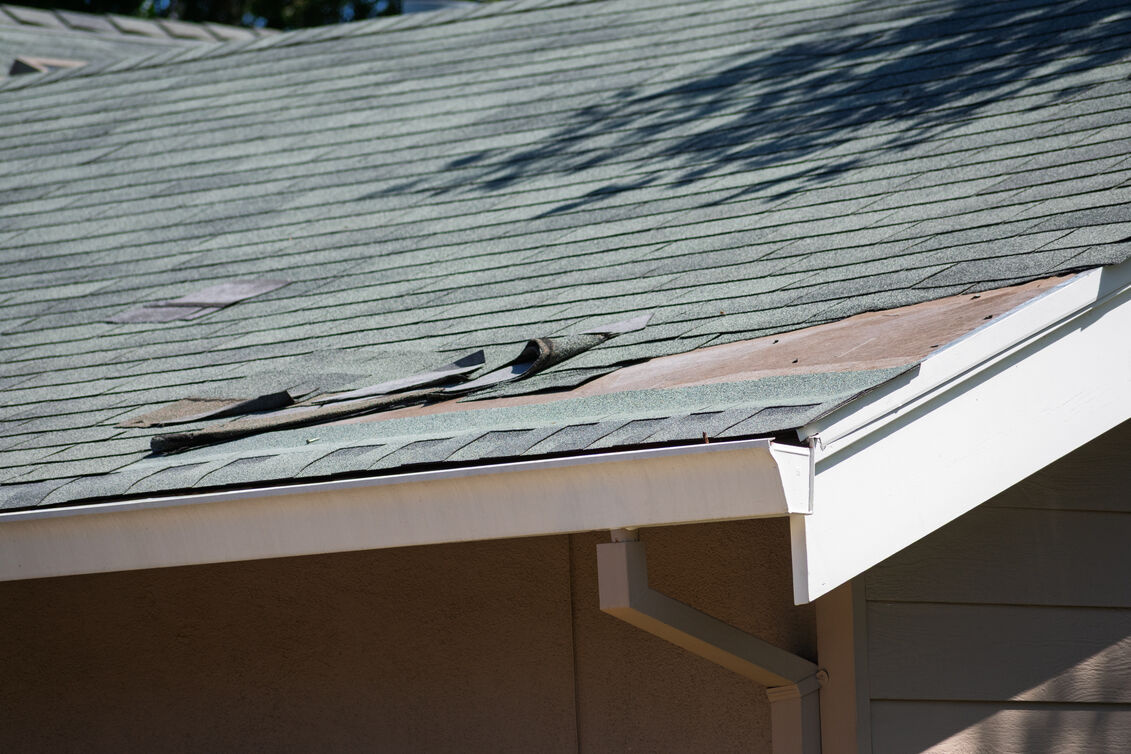
Roofing systems are among the most heavily impacted components in hot climates because they absorb direct sunlight throughout the day. Prolonged exposure to extreme temperatures can accelerate deterioration and reduce roof lifespan significantly.
Common heat-related roofing issues include:
Selecting durable multifamily roofing for Texas’ high-heat environments can help extend roof performance and reduce long-term maintenance costs.
Exterior finishes are constantly exposed to UV radiation, heat, and weather conditions. Lower-quality paint systems and siding materials often fade, crack, or warp much faster in hot climates. Heat-resistant construction materials help improve durability while maintaining curb appeal longer. Proper coatings and exterior products can significantly reduce repainting and replacement frequency.
Windows, sealants, and waterproofing systems also experience significant thermal stress during extreme heat conditions. Repeated expansion and contraction can weaken seals and increase the risk of air leakage or water intrusion.
Common issues include:
Improving the building envelope is often one of the most effective ways to reduce cooling loads and improve comfort in Texas multifamily properties.
Concrete and structural materials naturally expand and contract during temperature fluctuations. Over time, repeated movement can contribute to cracking, joint separation, and surface deterioration. Proper installation techniques, expansion joints, and material selection help minimize long-term structural stress. During Texas multifamily renovations, evaluating concrete conditions is especially important for older properties.
HVAC systems work harder in Texas climates than in many other parts of the country. Prolonged heat exposure places continuous demand on cooling equipment throughout the year.
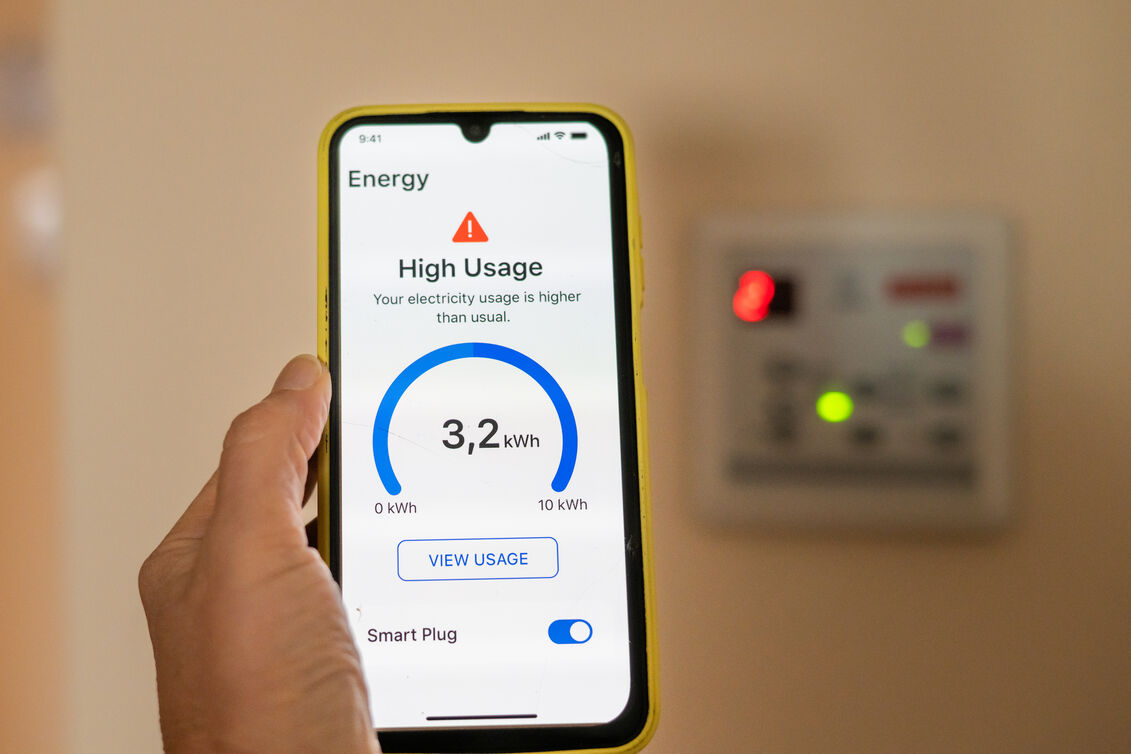
High outdoor temperatures force HVAC systems to run longer and more frequently to maintain indoor comfort. Older or undersized systems often struggle to keep up during peak summer months.
This increased workload can result in:
Improving HVAC performance under extreme heat conditions requires both efficient equipment and proper building insulation.
Poor insulation, outdated windows, and inefficient roofing systems can dramatically increase cooling demand. Even high-performing HVAC systems may struggle if the building envelope allows excessive heat transfer. Energy-efficient upgrades help reduce strain on mechanical systems while improving resident comfort. These improvements can also support lower operating expenses over time.
Consistent indoor comfort is critical for tenant retention and overall resident satisfaction. Properties that experience uneven cooling or persistent HVAC issues may struggle to compete with newer developments. Strategic upgrades to HVAC systems and insulation can significantly improve leasing competitiveness during Texas apartment renovations.
Successful renovations in Texas require proactive planning around climate conditions and long-term durability. Selecting the right materials and systems can help reduce maintenance costs while improving building performance.
Choosing materials specifically designed for high-temperature environments helps improve long-term durability. Heat-resistant construction materials often perform better under prolonged UV exposure and thermal stress.
Examples include:
These upgrades can significantly improve long-term building performance and energy efficiency.
Roofing and insulation work together to reduce heat transfer into the building. Upgrading these systems helps lower cooling costs while improving indoor comfort. Reflective roofing systems and enhanced attic insulation are especially effective in Texas climates. Proper ventilation also plays a major role in reducing heat buildup within roofing assemblies.
Reducing solar heat gain is essential for improving building efficiency in hot climates. Modern windows and shading systems help block excessive heat while maintaining natural light.
Common upgrades include:
These improvements help support better HVAC performance and long-term operational savings.
Even durable materials require ongoing inspections and preventative maintenance in extreme climates. Regular evaluations help identify early signs of heat-related deterioration before larger issues develop.
Routine inspections should include:
A proactive maintenance strategy helps extend material lifespan and reduce emergency repair costs.
Heat-related deterioration often develops gradually over time. Identifying early warning signs helps property owners address issues before they become major renovation projects.
Common indicators include:
These issues often suggest that existing materials or systems are struggling to perform under prolonged heat exposure. Early intervention helps reduce long-term operational and structural risks.
Even well-intentioned renovation projects can create long-term problems if climate conditions are not properly considered. Avoiding common mistakes helps improve both durability and operational performance.
Some common mistakes include:
Taking a climate-focused approach to Texas multifamily renovations helps reduce future maintenance issues and improve long-term building performance.
Apex Contracting understands the unique environmental challenges multifamily properties face throughout Texas. Our team of reconstruction contractors helps property owners select durable materials, improve energy performance, and execute renovations designed for long-term success in extreme climates.
We offer:
We help property owners complete renovations efficiently while improving durability, reducing maintenance costs, and maximizing long-term asset performance.
Extreme heat can cause materials to expand, crack, warp, fade, and deteriorate more quickly over time. Roofing systems, sealants, siding, and HVAC equipment are especially vulnerable in hot climates.
Reflective roofing systems and UV-resistant materials typically perform best in high-temperature environments. Proper insulation and ventilation also help extend roof lifespan.
HVAC systems experience significantly higher workloads during extreme heat conditions. Efficient systems and improved insulation help reduce energy costs and improve indoor comfort.
Yes, durable heat-resistant materials often last longer and require fewer repairs over time. These upgrades can help improve long-term operational efficiency and reduce lifecycle costs.
Improving insulation, upgrading windows, installing reflective roofing systems, and modernizing HVAC equipment can all help reduce cooling demand and improve efficiency.
Common warning signs of property damage include roof blistering, warped siding, sealant failure, rising utility costs, and uneven indoor temperatures. Early inspections help prevent more serious structural issues.
Extreme heat accelerates material deterioration and equipment wear over time. Routine inspections and maintenance help identify issues early and extend the lifespan of building systems.