Managing a multifamily property requires more than reactive maintenance—it demands a proactive, structured approach to both upkeep and long-term renovations. Without a clear annual plan, small issues can quickly escalate into costly repairs and operational disruptions.
An organized maintenance and renovation checklist helps property owners stay ahead of problems while protecting asset value and tenant satisfaction. Without a defined strategy, properties often experience:
For property owners and asset managers, implementing an annual checklist is essential for maintaining performance and avoiding unnecessary risk.
Routine maintenance helps identify and resolve small issues before they turn into major problems. Addressing minor repairs early can significantly reduce long-term expenses and prevent emergency situations. Without consistent oversight, small deficiencies in systems or structures can lead to expensive failures. Proactive planning ensures problems are handled before they disrupt operations or require urgent fixes.
Every component of a multifamily property has a defined lifecycle. Regular maintenance and scheduled upgrades help extend the useful life of building systems and materials. Neglecting routine upkeep accelerates wear and tear, leading to premature replacements. A structured plan helps maximize the lifespan of key property components.
Well-maintained properties create a better living experience for residents. Clean, functional, and updated spaces contribute to higher tenant retention and fewer complaints. When maintenance is inconsistent, tenant satisfaction declines and turnover increases. A proactive approach ensures the property remains attractive and competitive.

Breaking maintenance tasks into categories helps ensure nothing is overlooked. Each area of the property requires regular attention to maintain performance and safety.
The building exterior is the first line of defense against environmental conditions. Regular building envelope inspections help prevent water intrusion, structural damage, and energy loss.
Annual checklist items include:
Addressing exterior issues early helps prevent costly structural repairs and protects the overall building.
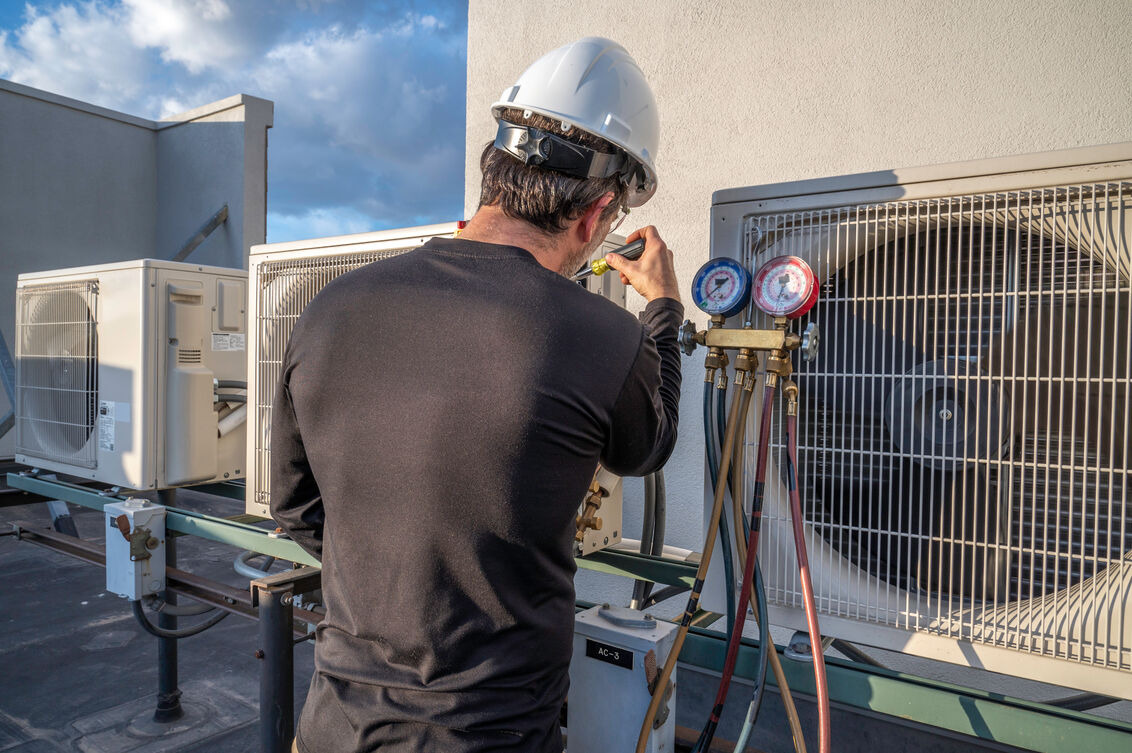
MEP systems are critical to the daily operation of the property. Regular inspections and servicing ensure these systems function efficiently and safely.
Annual checklist items include:
Proper maintenance reduces the risk of system failures and improves energy efficiency.
Life safety systems are among the most important components of any multifamily property. These systems must be regularly inspected to ensure compliance and occupant safety.
Annual checklist items include:
Failure to maintain these systems can result in serious safety risks and compliance violations.
Common areas play a major role in tenant experience and property perception. Keeping these spaces clean and updated helps maintain a positive environment.
Annual checklist items include:
Well-maintained common areas enhance property value and tenant satisfaction.
Individual units experience the most wear and tear due to daily use. Regular inspections and updates help maintain quality and reduce turnover costs.
Annual checklist items include:
Consistent unit maintenance ensures a better living experience and reduces long-term renovation needs.

In addition to maintenance, property owners must plan for larger capital improvements. These projects require careful coordination and budgeting.
Start by assessing the overall condition of the property. This includes identifying aging components, outdated finishes, and potential system failures. A thorough evaluation helps prioritize renovation projects and allocate resources effectively. It also provides a clear roadmap for future improvements.
Not all renovations deliver the same return on investment. Focus on upgrades that improve tenant experience, reduce operating costs, or address critical issues. High-priority projects often include unit upgrades, system replacements, and exterior improvements. Prioritizing correctly ensures maximum impact.
A capital improvement plan outlines when and how renovations will occur. This plan should align with budget forecasts and long-term asset goals. Spreading projects over multiple years helps manage costs and reduce operational disruption. A well-structured plan improves financial stability.
Renovation projects should be carefully scheduled to minimize disruption to tenants. Phasing work allows properties to remain operational during construction. Proper coordination ensures projects are completed efficiently while maintaining occupancy. This approach also reduces revenue loss during renovations.
Maintenance needs can vary throughout the year depending on weather conditions. Seasonal planning helps ensure the property is prepared for changing environments.
Warmer months are ideal for exterior work and system inspections. These seasons provide the opportunity to address weather-related damage and prepare for peak usage.
Typical tasks include:
Completing these tasks early helps prevent issues during high-demand periods.
Colder months require preparation to protect the property from harsh conditions. Preventative measures help avoid damage caused by freezing temperatures and storms.
Typical tasks include:
Seasonal preparation reduces the risk of costly weather-related damage.
Even experienced property owners can encounter challenges when planning maintenance and renovations. Avoiding common mistakes helps improve efficiency and outcomes.
Some common mistakes include:
Addressing these issues early helps ensure smoother operations and better financial performance.
Creating a checklist is only the first step—successful implementation requires consistency and accountability. Establishing clear processes ensures tasks are completed on schedule.
Clearly define who is responsible for each task, whether it’s internal staff or external contractors. Accountability ensures that maintenance and renovation activities are completed properly. Without clear ownership, tasks can be overlooked or delayed. Assigning responsibilities improves efficiency and follow-through.
Maintaining detailed records of completed work helps track progress and identify recurring issues. Documentation is also important for compliance and future planning. A well-documented history provides valuable insights for long-term decision-making. It also supports budgeting and forecasting efforts.
Partnering with experienced contractors ensures maintenance and renovations are completed to a high standard. Professional expertise helps prevent costly mistakes and delays. Working with the right team improves project efficiency and overall results. It also provides peace of mind for property owners.
Apex Contracting helps property owners develop and execute comprehensive maintenance and renovation strategies. Our team understands how to balance routine upkeep with long-term capital improvements.
We offer:
We help property owners maintain high-performing assets while minimizing risk and operational disruption.
Maintenance should be performed continuously throughout the year, with formal inspections conducted annually. Regular upkeep helps prevent costly repairs and extends asset lifespan.
A maintenance checklist typically includes exterior, systems, safety, and interior inspections. It ensures all critical components of the property are evaluated regularly.
Focus on projects that impact safety, functionality, and tenant experience first. High-impact upgrades typically provide the best return on investment.
Yes, combining both allows for better budgeting and coordination. This approach ensures maintenance supports long-term renovation goals.
Yes, consistent maintenance can extend the life of building components and delay major upgrades. However, renovations will still be necessary over time to remain competitive.