Property owners in California can significantly reduce wildfire risk during exterior construction and renovation projects by using wildfire-resistant building materials, maintaining defensible space, complying with Wildland-Urban Interface (WUI) building standards, and addressing vulnerable exterior components such as roofs, siding, windows, decks, and vents. Modern exterior construction practices are specifically designed to help structures withstand ember attacks, radiant heat exposure, and direct flame contact during wildfire events.
For multifamily owners, commercial property owners, and developers, wildfire mitigation should be incorporated into every phase of planning and construction. Upgrading vulnerable exterior systems not only improves safety but can also reduce long-term maintenance costs, support insurance requirements, and improve property resilience in high-risk regions throughout California.
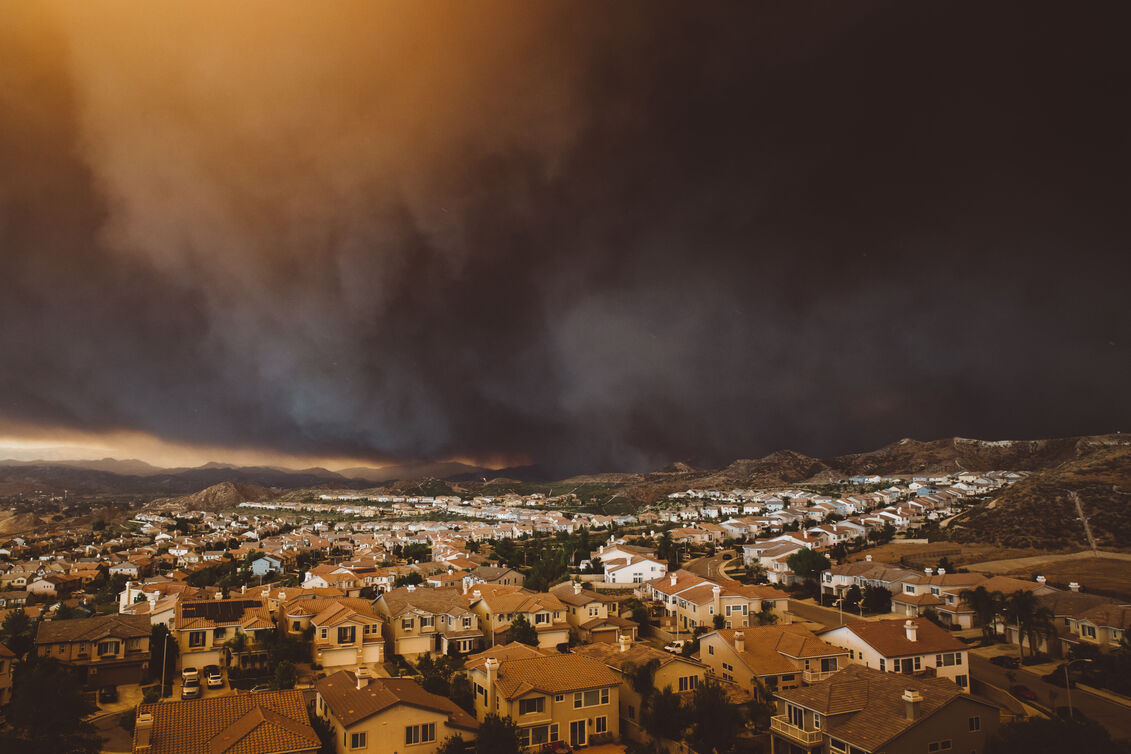
Wildfire risk has increased significantly across California due to a combination of prolonged drought conditions, expanding development near natural landscapes, and more frequent extreme weather events. Understanding why these risks are growing helps property owners make informed decisions about exterior renovations, material selection, and long-term wildfire mitigation strategies.
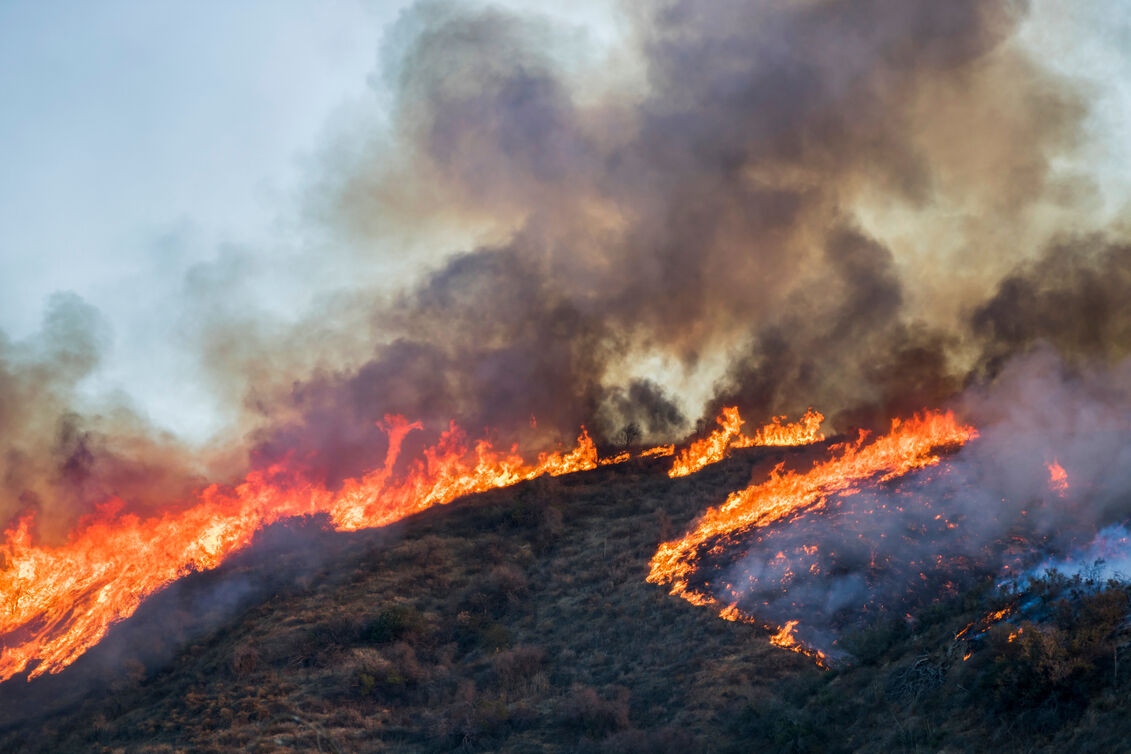
Wildfires damage structures through three primary mechanisms: direct flame contact, radiant heat exposure, and wind-driven embers. While flames often receive the most attention, wildfire research has consistently shown that embers are responsible for igniting a large percentage of structures during major fire events.
These embers can travel more than a mile ahead of an active wildfire and ignite vulnerable areas around roofs, vents, decks, gutters, and siding. Once ignition occurs, fire can quickly spread throughout the structure.
Many California communities are located within or adjacent to Wildland-Urban Interface (WUI) zones where developed areas meet natural vegetation. As development expands into these areas, more properties become exposed to elevated wildfire risks.
Regions throughout Northern California, Southern California, the Sierra Nevada foothills, and coastal mountain communities face some of the highest wildfire exposure levels in the country. Property owners in these locations should prioritize wildfire mitigation during any California exterior renovations.
Exterior renovation projects create an ideal opportunity to address wildfire vulnerabilities without requiring costly future retrofits. Property owners can often incorporate fire-resistant exterior construction upgrades into existing renovation scopes while minimizing disruption and overall project costs.
Through exterior renovation projects across California, Apex Contracting has frequently identified roofing systems, attic vents, combustible decking, and aging siding materials as some of the most vulnerable wildfire entry points on multifamily and commercial properties.
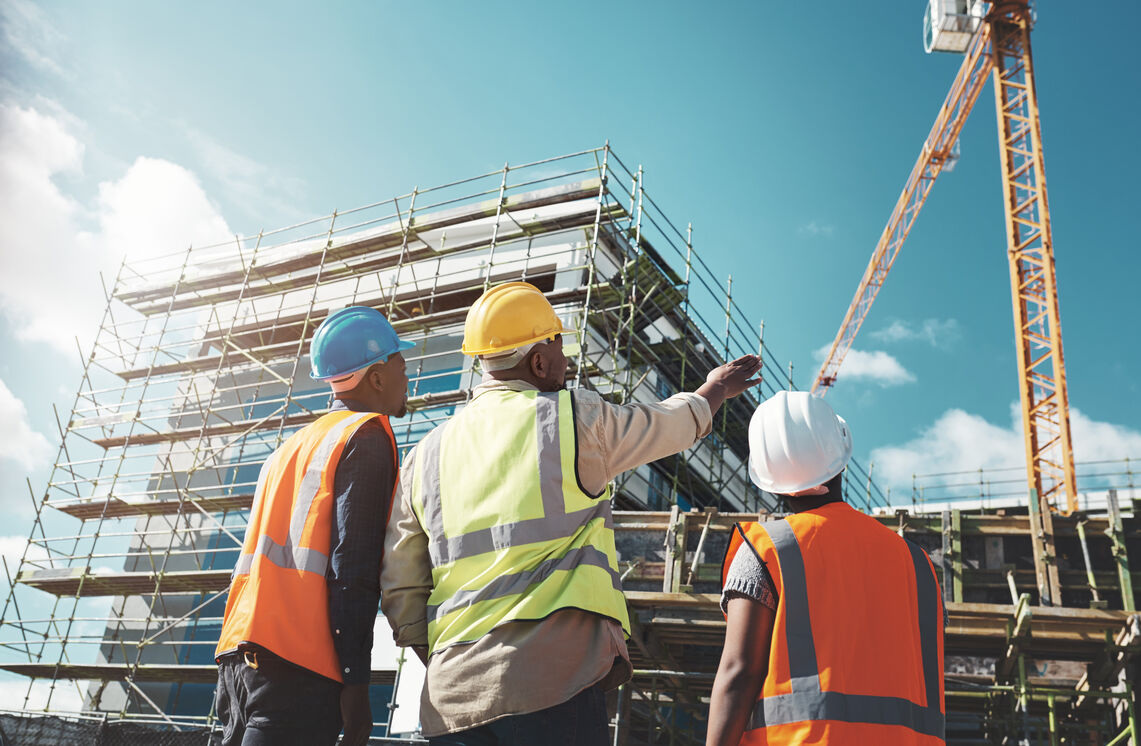
California has implemented some of the most comprehensive wildfire-related building regulations in the country. Property owners planning exterior renovations should understand how state and local requirements influence construction materials, building assemblies, permitting, and long-term property resilience.
California's wildfire construction regulations are largely governed by Chapter 7A of the California Building Code. These regulations establish ignition-resistant construction requirements for structures located within designated wildfire-prone areas.
Chapter 7A focuses on reducing vulnerability to:
These requirements often apply to roofing, siding, windows, decks, vents, and other exterior assemblies that contribute to overall building performance during wildfire events.
Property owners can determine wildfire exposure levels by reviewing CAL FIRE Fire Hazard Severity Zone (FHSZ) maps. These maps classify areas as Moderate, High, or Very High Fire Hazard Severity Zones and may influence both construction requirements and defensible space obligations.
Understanding local hazard designations early in the planning process helps ensure projects comply with current regulations and avoid permitting delays.
Wildfire-related building standards continue to evolve as researchers gain a better understanding of how structures perform during major fire events. California regularly updates construction requirements based on lessons learned from recent wildfires.
Property owners planning California wildfire construction projects should work with experienced contractors who understand both current code requirements and emerging wildfire mitigation strategies.
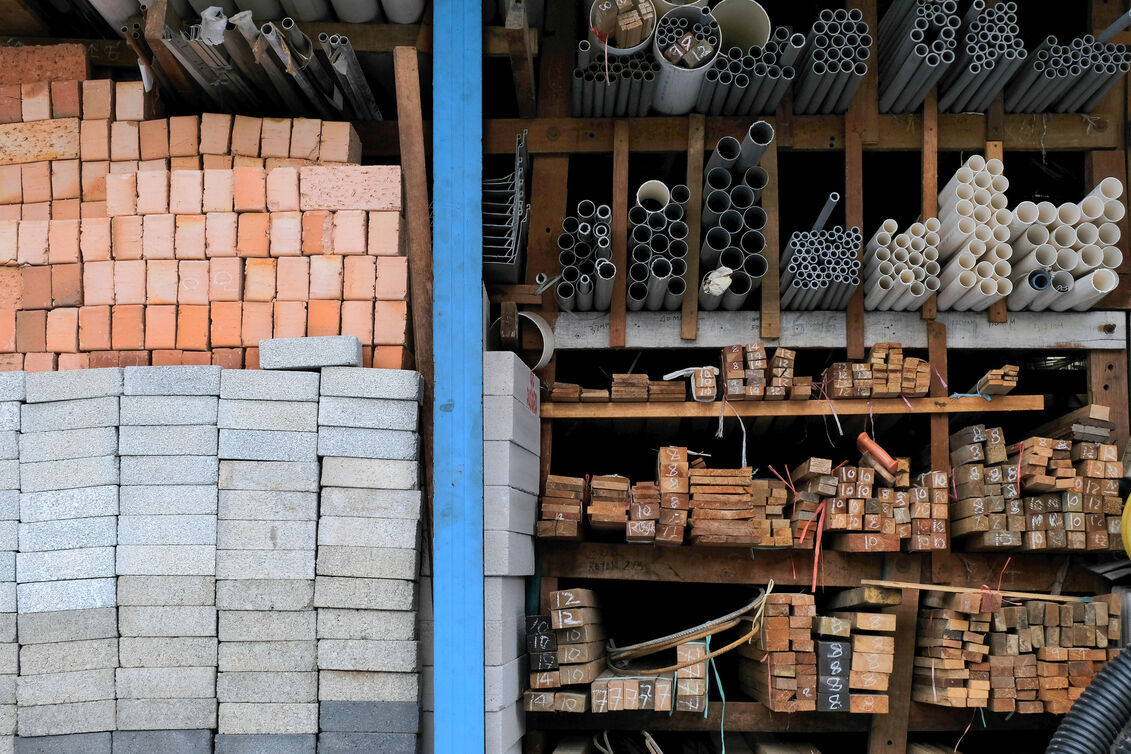
Not all exterior materials perform the same during a wildfire event. Selecting the right roofing, siding, windows, and ventilation systems can significantly reduce a property's vulnerability to ember intrusion, radiant heat exposure, and direct flame contact while supporting compliance with California wildfire construction standards.
Roofing systems are one of the most important components in wildfire-resistant design. Class A fire-rated roofing materials provide the highest level of protection against airborne embers and direct fire exposure.
Common options include:
Apex Contracting often recommends evaluating roofing systems first because roof assemblies are frequently one of the largest contributors to wildfire vulnerability.
Certain siding products offer significantly greater fire resistance than traditional wood-based materials. Selecting wildfire-resistant building materials helps reduce ignition risks while improving long-term durability.
Popular options include:
These products can significantly improve exterior performance in wildfire-prone environments.
Windows often fail during wildfire events due to radiant heat exposure. Once glass breaks, embers can enter the structure and ignite interior contents.
Dual-pane tempered glass windows generally provide greater resistance to heat and thermal breakage than standard glass systems. Fire-rated exterior doors can further improve overall building resilience.
Attic and crawlspace vents are among the most common entry points for wildfire embers. Modern ember-resistant vent systems often incorporate stainless steel mesh and ember-resistant baffles designed to limit ember intrusion while maintaining airflow.
These relatively small upgrades can provide substantial wildfire mitigation benefits during exterior renovations.

Defensible space is one of the most effective and cost-efficient ways to reduce wildfire risk around a property. By creating and maintaining a buffer between structures and surrounding vegetation, property owners can help slow fire spread, reduce ember exposure, and improve firefighter access during emergencies.
Defensible space is the managed area between a structure and surrounding vegetation. This buffer helps slow wildfire spread while improving firefighter access and reducing ignition risks.
Proper defensible space requirements are among the most effective wildfire mitigation strategies available to California property owners.
Reducing combustible materials near structures is essential for limiting fire intensity and ember accumulation around buildings.
Common recommendations include:
Consistent vegetation management significantly improves wildfire resilience.
Wildfire mitigation is not a one-time project. Defensible space must be maintained regularly throughout the year to remain effective.
Properties that neglect vegetation management often lose many of the benefits gained through construction upgrades and material improvements.
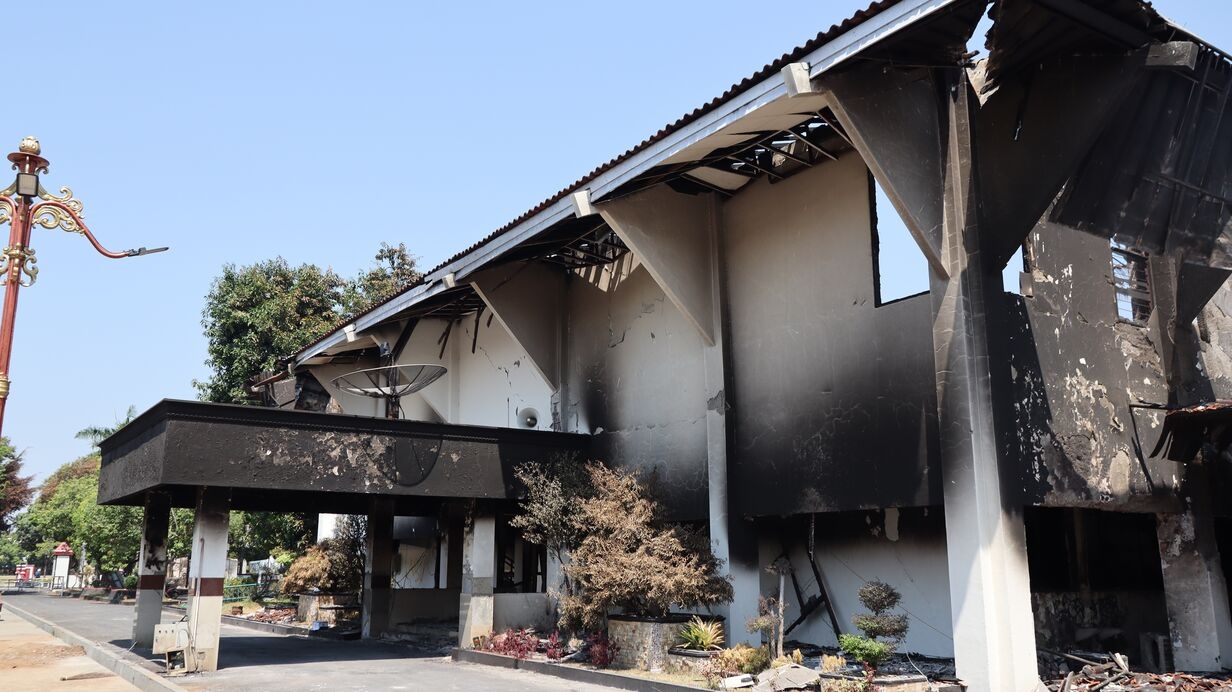
Many structures that are otherwise well-built can still experience catastrophic damage when small exterior vulnerabilities allow embers or heat to penetrate the building envelope. Understanding which components commonly fail helps property owners prioritize upgrades that provide the greatest wildfire protection.
Many wildfire-related building losses occur because relatively small exterior components allow embers to enter the structure.
Common failure points include:
During renovation assessments, Apex frequently finds that relatively small improvements such as upgraded vents, gutter protection systems, and noncombustible exterior materials can significantly improve overall wildfire resilience.
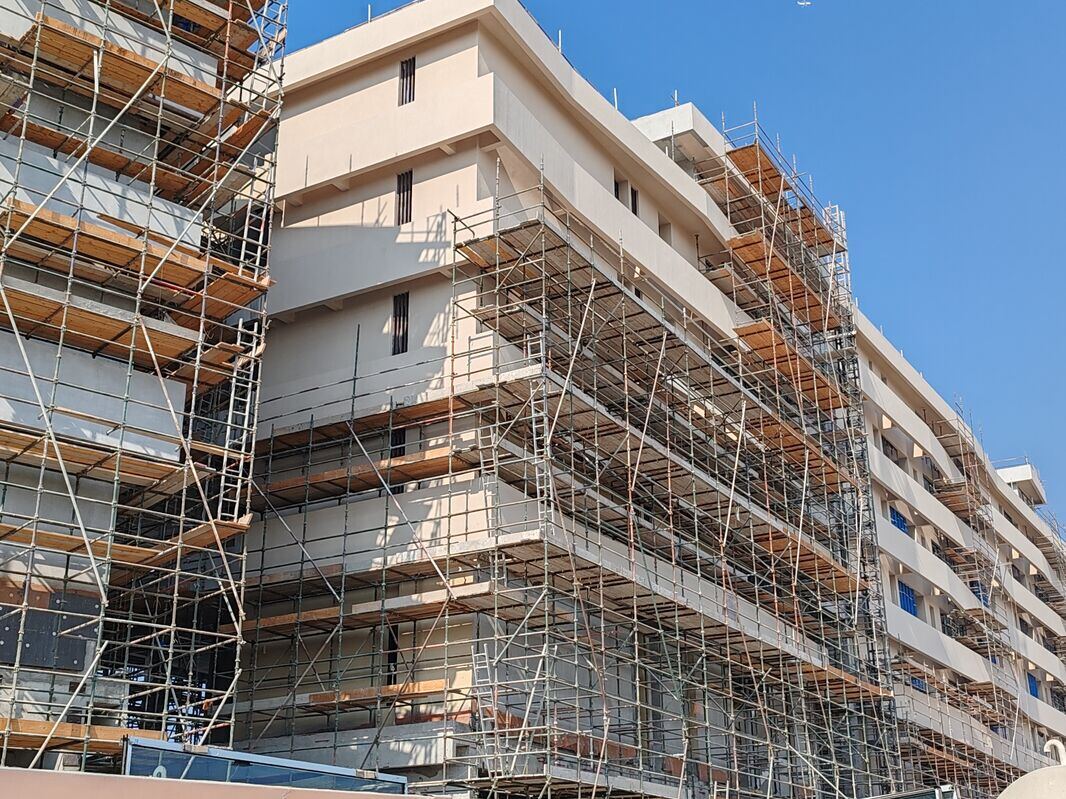
Wildfire mitigation is most effective when it is incorporated into planned renovation projects rather than addressed after problems arise. Strategic upgrades to exterior systems, combined with proper planning and code compliance, can significantly improve a property's ability to withstand wildfire exposure.
Property owners should prioritize exterior components most susceptible to ember intrusion and ignition.
High-impact upgrades often include:
These projects typically provide the greatest return on wildfire mitigation investments.
Wildfire mitigation should be evaluated during the pre-construction phase rather than after design decisions have already been finalized.
Early planning allows owners to:
Apex Contracting often recommends evaluating wildfire resilience during planned roofing, siding, and exterior renovation projects because upgrades can usually be completed more efficiently when incorporated into broader construction scopes.
Wildfire mitigation requires specialized knowledge of building assemblies, California codes, material performance, and local environmental conditions.
Working with experienced contractors helps property owners balance aesthetics, durability, compliance, budget, and wildfire protection throughout the renovation process.
Apex Contracting helps property owners implement wildfire mitigation strategies during exterior construction and renovation projects throughout California. Our team understands how to integrate fire-resistant materials, defensible space planning, and code-compliant construction practices into long-term property improvement plans.
We offer:
We help property owners improve resilience, protect investments, and reduce wildfire-related risks through strategic exterior construction solutions.
Property owners in California can significantly reduce wildfire risk by combining fire-resistant construction materials, defensible space management, and code-compliant exterior renovations. Because embers and radiant heat often cause the majority of structural ignitions, addressing vulnerable exterior systems during planned construction projects provides one of the most effective long-term wildfire mitigation strategies available.
If you're planning exterior renovations, roofing upgrades, siding replacements, or larger property improvements, Apex Contracting can help develop a construction strategy designed to improve resilience and protect your investment for years to come.
Fiber cement siding, metal roofing, concrete tile roofing, masonry products, tempered glass windows, and ember-resistant vent systems are among the most effective wildfire-resistant building materials available today.
A Wildland-Urban Interface (WUI) zone is an area where developed properties meet natural vegetation and face increased wildfire exposure.
Many structures located within designated wildfire-prone regions must comply with Chapter 7A requirements that include fire-resistant construction standards.
Requirements vary by jurisdiction and property type, but California generally requires defensible space zones extending outward from structures.
Yes. Upgrading roofing, siding, windows, vents, decks, and other exterior systems can significantly improve a property's resistance to wildfire exposure.
In many wildfire events, embers are responsible for igniting more structures than direct flames because they can travel long distances and enter vulnerable openings.
Many insurance carriers consider wildfire mitigation measures when evaluating risk. Upgrades such as Class A roofing, defensible space improvements, ember-resistant vents, and fire-resistant exterior materials may improve insurability and reduce long-term risk exposure depending on the property and carrier.
Wildfire mitigation should be addressed during pre-construction planning whenever possible to maximize effectiveness, improve compliance, and reduce future retrofit costs.