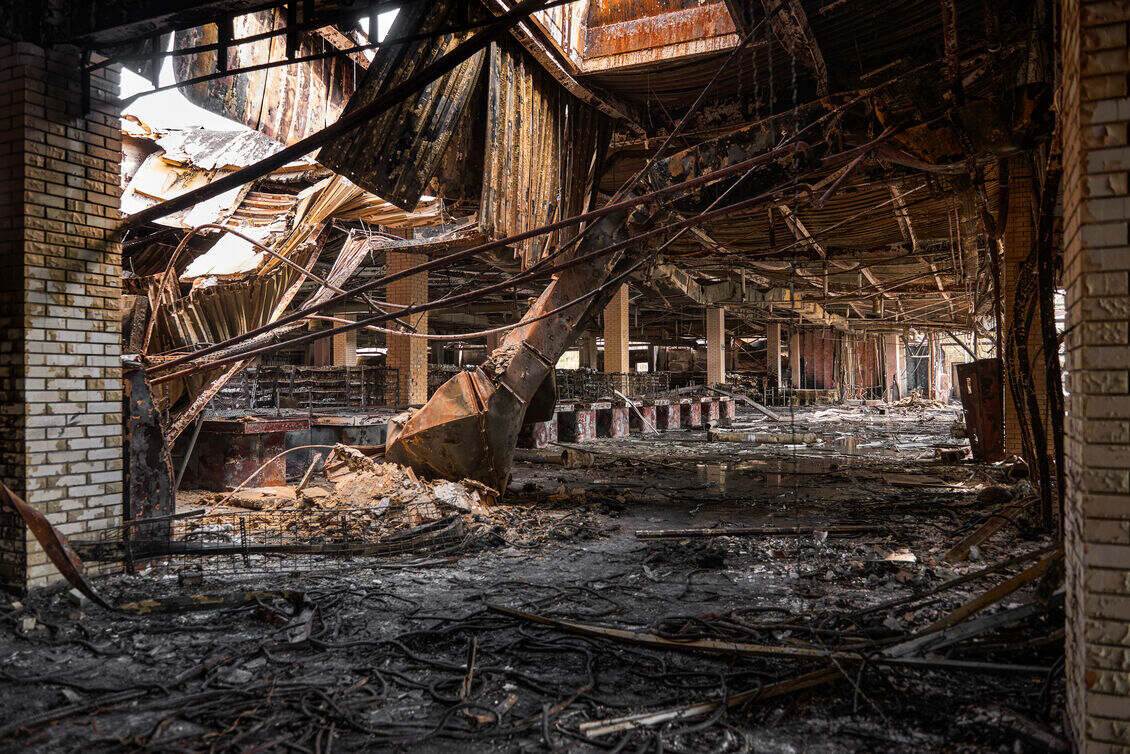
Fire code requirements for apartment renovations vary by state and municipality, but most projects must comply with adopted versions of the International Fire Code (IFC), International Building Code (IBC), local fire regulations, and applicable National Fire Protection Association (NFPA) standards. In high-risk states such as California, Colorado, Arizona, Texas, Washington, and Nevada, additional requirements often address wildfire exposure, extreme heat, hurricane resilience, evacuation safety, and fire-resistant construction.
Because multifamily properties house multiple residents within a shared structure, apartment renovation projects frequently trigger upgrades to fire alarms, sprinkler systems, emergency egress routes, fire-rated assemblies, and life safety systems. Understanding applicable fire code requirements early in the planning process can help property owners avoid delays, failed inspections, and costly change orders.
At Apex Contracting, we help multifamily owners and property managers navigate these complex requirements while delivering code-compliant renovation solutions across the Western United States.
Fire codes establish minimum safety standards designed to reduce the risk of fire-related injuries, fatalities, and property damage. Renovations often affect building systems that play a critical role in protecting residents during emergencies.
Fire code compliance helps ensure:
Failure to comply with fire regulations can result in permit delays, failed inspections, fines, increased liability, and significant project setbacks.
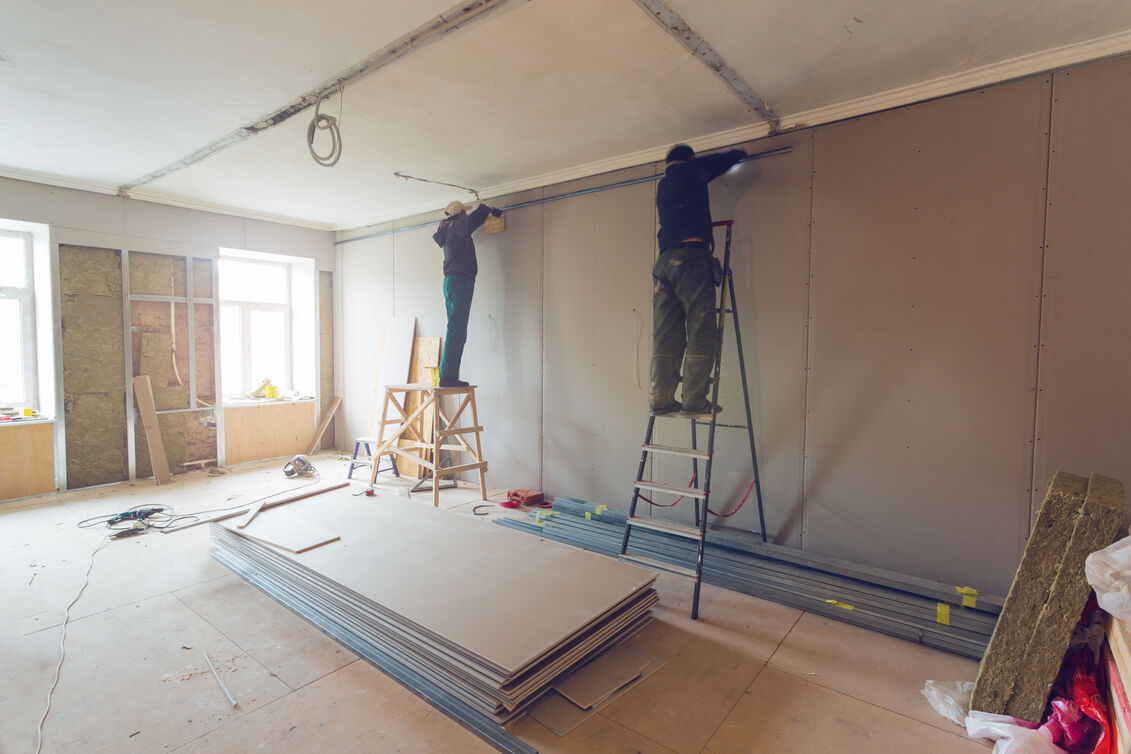
Most multifamily renovation projects are governed by a combination of model codes, local regulations, and nationally recognized fire safety standards.
The International Fire Code establishes requirements for:
Most jurisdictions adopt some version of the IFC with local amendments.
The IBC contains many life safety provisions that affect multifamily buildings, including:
Many jurisdictions reference NFPA standards within their adopted fire codes.
Common standards include:
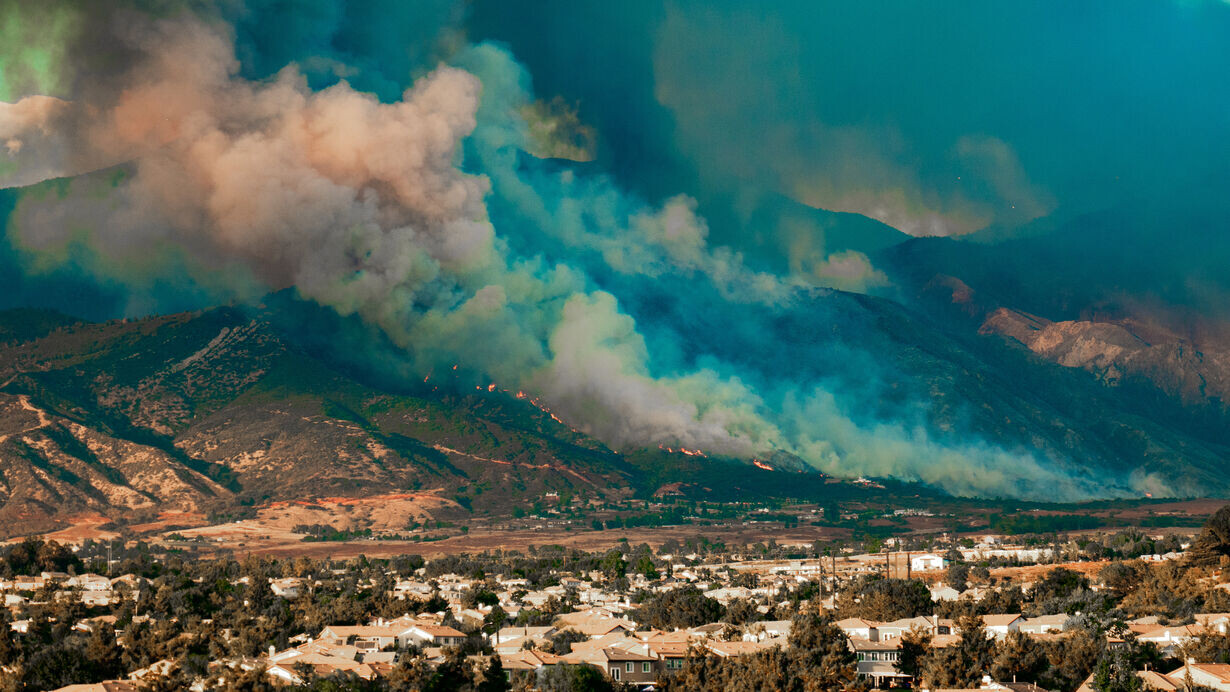
Although many states adopt similar model codes, regional hazards often result in additional fire protection requirements.
California maintains some of the nation's most comprehensive fire regulations.
Apartment renovations may require compliance with:
Properties located in wildfire-prone regions often face additional requirements related to roofing, siding, vents, and exterior assemblies.
Colorado jurisdictions frequently focus on wildfire mitigation in mountain communities.
Common requirements include:
Requirements vary significantly by municipality and wildfire risk level.
Arizona communities often address fire safety concerns related to extreme heat and dry conditions.
Renovation projects may require:
Local requirements vary throughout the state.
Texas jurisdictions frequently address both wildfire risk and severe weather resilience.
Apartment renovations often involve:
Local code adoption varies by municipality.
Washington jurisdictions place strong emphasis on life safety and building performance.
Renovation projects commonly involve:
Additional requirements may apply in densely populated urban areas.
Nevada building codes frequently address fire protection in hot, dry climates.
Common requirements include:
Local amendments can vary significantly.
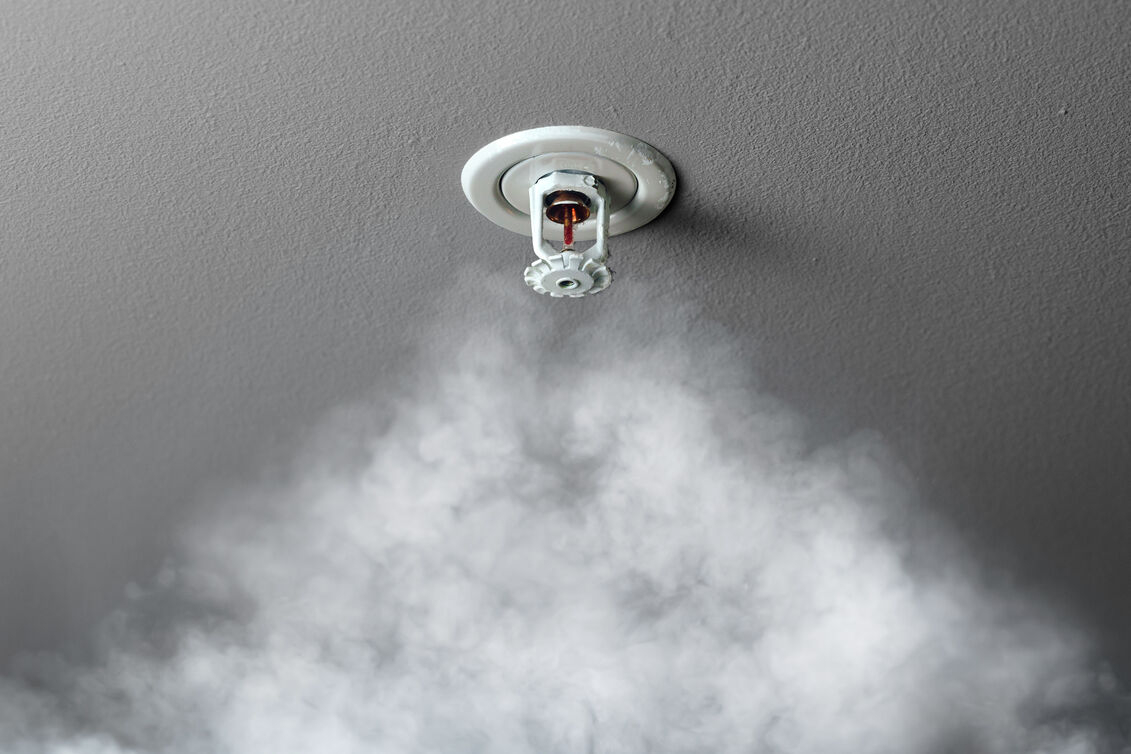
Many apartment renovation projects trigger sprinkler system evaluations.
Requirements often depend on:
Common Sprinkler Improvements
Projects may require:
Local fire authorities determine when upgrades are necessary.
Fire alarm systems are often reviewed during renovation projects to ensure compliance with current standards.
Common upgrades include:
Many jurisdictions reference NFPA 72 when evaluating alarm system requirements.

Fire-rated assemblies help slow the spread of fire between units and common areas.
Renovation projects frequently involve:
Modifications to these assemblies often require careful review to maintain code compliance.
Fire code compliance should be evaluated during pre-construction planning.
Pre-Construction Reviews Reduce Risk
Property owners should:
Early planning helps reduce delays and unexpected costs.
Apex Contracting helps multifamily owners, developers, and property managers navigate complex fire code requirements across multiple states.
Our team understands how regional hazards, local amendments, and evolving fire safety standards affect apartment renovation projects.
We provide:
By incorporating fire safety compliance into every phase of construction, we help clients reduce risk and improve project outcomes.
Fire code requirements for apartment renovations vary significantly based on location, building characteristics, and project scope. High-risk states often impose additional requirements related to wildfire mitigation, life safety systems, fire-resistant construction, and emergency evacuation.
Understanding applicable fire regulations before construction begins can help property owners avoid delays, improve safety, and maintain compliance throughout the renovation process.
Fire codes and regulations are safety standards that establish minimum requirements for preventing fires, protecting building occupants, and reducing property damage. They govern fire alarms, sprinkler systems, emergency exits, fire-resistant construction, and other life safety measures in apartment buildings.
Some of the most widely referenced NFPA standards for multifamily renovations include NFPA 1 (Fire Code), NFPA 13 (Installation of Sprinkler Systems), NFPA 25 (Inspection and Testing of Fire Protection Systems), NFPA 72 (National Fire Alarm and Signaling Code), and NFPA 101 (Life Safety Code).
Many renovation projects require review by the local fire authority, especially when modifications affect fire alarms, sprinkler systems, exits, or fire-rated assemblies.
Sprinkler requirements depend on building size, occupancy classification, renovation scope, local code adoption, and existing fire protection systems.
Yes. Renovations that alter occupancy, floor plans, common areas, or life safety systems may require fire alarm upgrades to meet current code requirements.
Projects that fail to meet fire code requirements may experience permit delays, failed inspections, fines, increased liability, and costly corrective work before occupancy approval can be granted.