Commercial roof replacement cost is set by the roof area and then by the conditions under it: the roofing system chosen, whether the old roof is torn off, the condition of the deck, the insulation the energy code requires, drainage, rooftop equipment, access and the warranty level. Two roofs of the same size can differ widely in price because of these factors.
The roofing system
Low-slope commercial roofs are usually single-ply membranes (TPO, PVC or EPDM), modified bitumen or built-up roofing; steep-slope multifamily roofs are usually asphalt shingle, tile or metal. Each has different material costs, installation methods and service life. Membrane thickness and attachment method (mechanically attached, fully adhered or ballasted) also move the price, and wind-uplift requirements in coastal and high-wind areas can dictate the attachment.
Tear-off or recover
A recover installs a new roof over the existing one and avoids most disposal cost. Building codes generally limit a roof to two layers and do not allow a recover over roofing that is wet or deteriorated, so a moisture survey (infrared or core cuts) should come before the decision. When wet insulation is found, it has to come out, and that area is priced as a tear-off regardless of what the rest of the roof does.
Deck condition
The deck under the roof is rarely visible until the old roof is removed. Rusted metal deck, rotted wood sheathing or damaged concrete has to be repaired before the new roof goes on. A good bid prices this as a unit rate (per square foot or per sheet) rather than a lump allowance, so the owner pays for what is actually found.
Insulation and energy code
In many jurisdictions, replacing a roof triggers current energy-code insulation requirements. That can mean more insulation than the building has today, which adds material and can raise the roof edge, requiring taller curbs, new edge metal and flashing changes. The requirement depends on the local code and the scope, so it should be confirmed during estimating, not after permit review.
Drainage
Ponding water shortens roof life and can void a manufacturer warranty. Correcting it with tapered insulation, crickets, additional drains or scuppers adds cost, but it is usually cheaper than leaving a low spot under a new membrane. We treat drainage as part of the job rather than a deferred item.
Penetrations, equipment and details
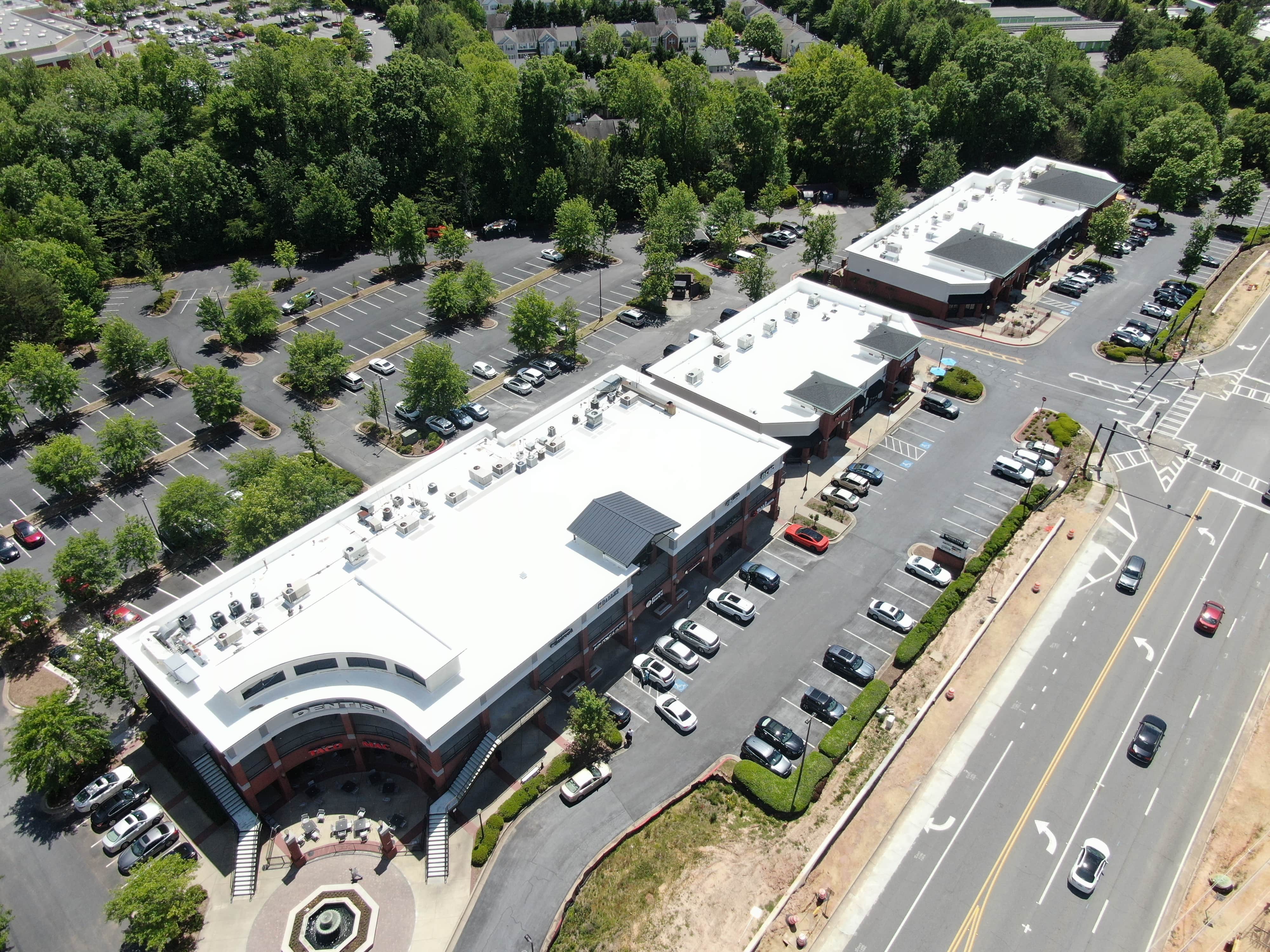
Every pipe, curb, skylight, HVAC unit and parapet needs flashing, and rooftop units may have to be lifted and reset. Roofs with many penetrations, walls and changes in elevation take more labor per square than a large open field of membrane.
Access, height and occupancy
Crane time, material hoisting, staging space and the number of stories all affect cost, as do the rules of an occupied property: working hours, noise limits, protection of entrances and keeping the building watertight every night. On multifamily and retail property, these logistics can be as important as the roofing itself.
Warranty level
Manufacturer warranties range from material-only coverage to full-system warranties that require a certified installer, specified components and manufacturer inspections. Longer, stronger warranties cost more because they require more of the assembly and the process. Make sure every bid you compare is priced to the same warranty.
How to compare two roofing bids
- Same system, same warranty. Confirm each bid names the membrane, thickness, attachment, insulation and warranty term.
- Unit prices for the unknowns. Deck replacement, wet insulation and wood blocking should carry unit rates, not open-ended allowances.
- Exclusions in writing. Permits, equipment disconnects, lightning protection and interior protection are common gaps.
- Assumptions listed. Every Apex bid comes with an RFI log of estimating assumptions, so you can ask each bidder the same questions.
Apex self-performs roofing on multifamily, HOA and commercial buildings. An estimator walks the roof before we price it, and the bid breaks the work into line items you can compare directly against other contractors.