Scope detail, duration and references for any project in the portfolio, on request.
Ask usA scoping call with the regional team that would actually run the work.
Book a meeting
The part most contractors treat as paperwork. Line-item estimates, SOV breakdowns and code-upgrade pricing built to be defended in a negotiation rather than rewritten during one.
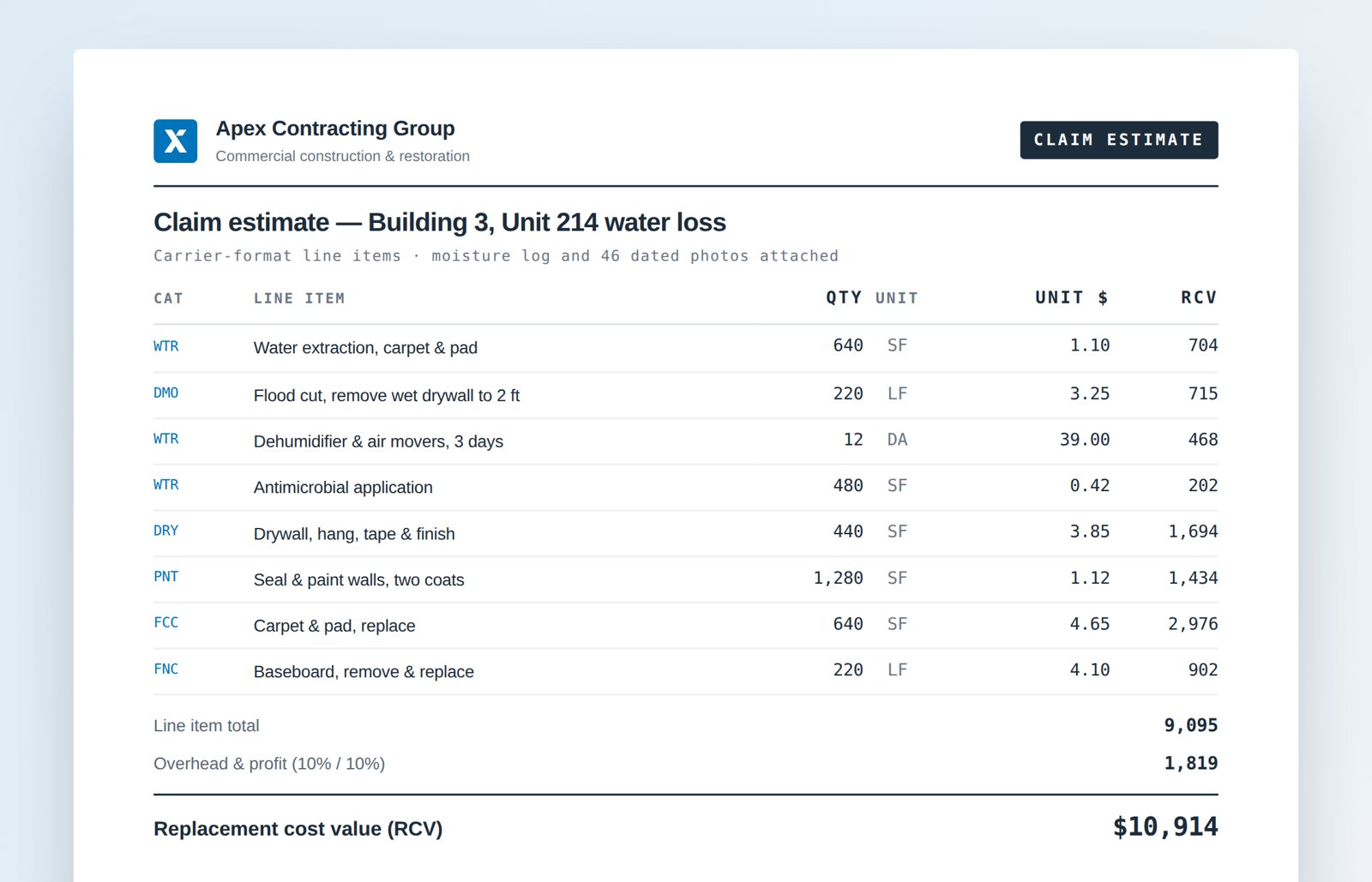
Claim scope and estimate support is the documentation a property needs to get an insurance loss paid correctly: a line-item estimate in the format carriers use, photo and moisture records, a schedule of values and code-upgrade pricing. Apex prepares it from the site, works directly with adjusters, and then builds the scope it priced.
Guide: How to file a commercial property insurance claim
This is the part most contractors treat as paperwork and most claims actually turn on. A line-item estimate that maps cleanly to the loss, with unit pricing and fee agreed up front, gets settled. A lump sum with no backup gets argued about for months while the building sits.
We build the estimate to be defended in a negotiation rather than rewritten during one. Code upgrades, ACV and RCV are broken out separately, owner-elected upgrades never share a line with loss-related work, and the whole file reads start to finish.
5-15 days
From site access to estimate
Xactimate
Compatible line items
No obligation
Works whether or not we build it
The line items we carry on a claims documentation scope, and what each one actually covers.
Line-item estimates aligned to loss scope
Industry-standard estimating with scope tied to documented damage, line by line.
Code upgrade and ACV/RCV breakouts
Broken out separately and supported, so they are evaluated rather than disputed.
SOV and change-order documentation
A schedule of values and a change log that track the job as it is actually built.
Adjuster and consultant coordination
Factual, timely communication with everyone who has to sign off.
Photo, moisture and daily records
The field record assembled as one file rather than scattered across phones.
Pricing and fee agreed in advance
Unit pricing, overhead and fee settled before work starts, not argued after.
Four stages, one contract. Nothing here is a handoff to somebody else.
Get on site
A walk with the adjuster where possible, so the scope is agreed in the room rather than in a letter.
Build the line items
Line-item estimate in the format the carrier already reads, with ACV, RCV and depreciation columns.
Separate the categories
Loss-related work, code upgrade and owner-elected work on their own lines. Never blended.
Support the negotiation
We stay in the conversation until the scope settles, whether or not we end up building it.

One file, start to finish
Drying logs, photos, scope, SOV and change orders in one record an adjuster can read in order.
Clean separation
Loss-related work and owner upgrades never blended. It protects the claim and it protects you.
Factual communication
Everything we write assumes it may be read later by someone looking for a problem with it.
Two contractors can price the same building a long way apart and both be honest about it. These are the variables that explain the gap — worth asking every bidder, not just us.
Site access
How quickly we can get on the property and into the affected units. This is usually the whole timeline.
Documentation already captured
If mitigation photographed and logged properly, the estimate is fast. If not, the scope has to be reconstructed.
Scope complexity
Eleven units in three stacks is a week. A whole building with structural involvement is not.
Engineering input
Where a structural or hygienist report is needed first, that report sets the pace, not us.

The trades that decide whether this scope holds up are ours. Everything else runs through trade partners we have used in that market before, on our contract and our warranty.
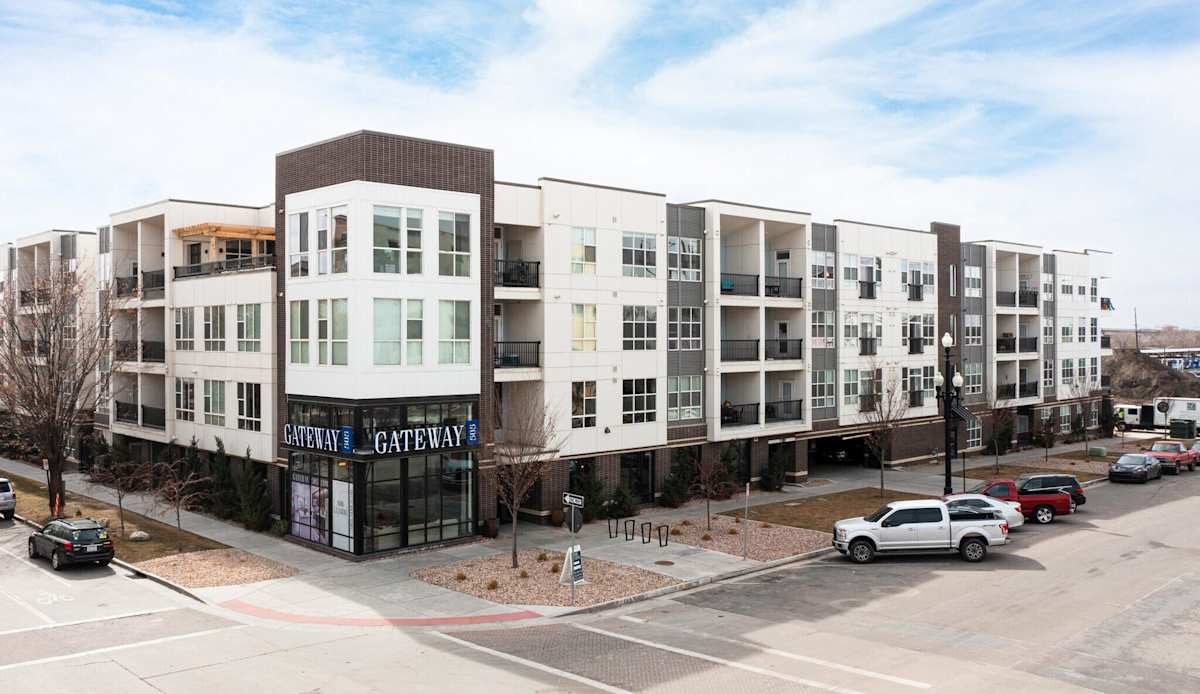
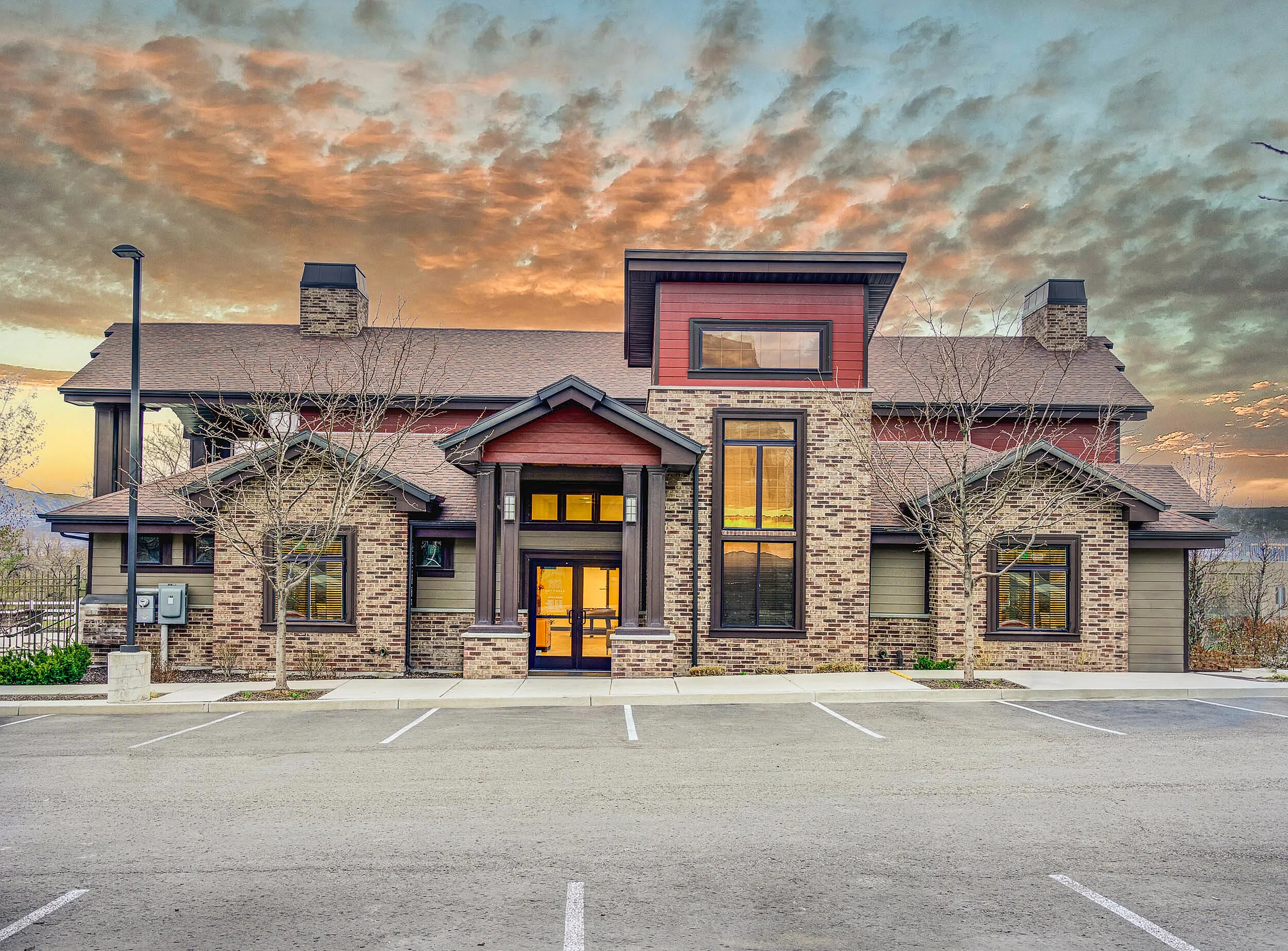
Three projects from the portfolio where this scope was the job, or a large part of it.
How do I file a commercial property insurance claim?
Report the loss to your carrier or agent promptly, then document and protect the property. Photograph the damage, stop further damage with emergency repairs, keep receipts, and gather your policy, property records and a contact list. The carrier assigns an adjuster who inspects the loss. A contractor’s line-item estimate and documentation help the adjuster scope the repair accurately.
What does a contractor’s insurance estimate include?
A claims-grade estimate lists each repair as a line item with quantities, materials, labor and unit costs, organized by area. It separates like-for-like repair from code-upgrade items and owner upgrades, and includes photos and measurements supporting each line. Apex also provides a schedule of values so billing tracks directly to the approved scope.
What is the difference between ACV and RCV in a property claim?
Actual cash value (ACV) is replacement cost minus depreciation; replacement cost value (RCV) is the full cost to repair or replace with materials of like kind and quality. Many policies pay ACV first and release recoverable depreciation after the work is completed and documented. Apex lists depreciation-sensitive items separately so that recovery is easier to support.
Is Apex acting as a public adjuster?
No. Apex is the contractor. It produces the scope, the estimate and the documentation of what it builds, and communicates factually with your adjuster or consultant. It does not negotiate coverage or represent you in the claim; if you need that, a licensed public adjuster or attorney is the right resource.
Can you help with a claim that has stalled?
Often, yes. When a claim stalls over scope, a properly documented line-item estimate tied to the actual damage is usually what moves it forward. Send Apex the current estimate, photos and correspondence, and Apex will identify gaps in the documentation and scope the repair against the conditions on site.
Most scopes touch more than one of these. They all run on one contract.
Local reconstruction pages: Salt Lake City · Denver · Dallas · Los Angeles · San Diego · Phoenix · Las Vegas · Albuquerque · Seattle · Boise · Atlanta · Tampa

Tell us the asset, the scope and the timeline. We will come back within one business day.