Scope detail, duration and references for any project in the portfolio, on request.
Ask usA scoping call with the regional team that would actually run the work.
Book a meeting
Forensic repair work on latent defects and systemic failures — including California SB800 Right-to-Repair matters, where the scope has to satisfy counsel, the expert and the owner at the same time.
Construction defect repair corrects building failures caused by design or workmanship, such as water intrusion, failed waterproofing or structural issues. In California, SB800 (the Right to Repair Act) gives builders a defined process to inspect and repair defects in homes sold since 2003. Apex performs the repair scope to satisfy the owner, counsel and experts.
Construction defect work is not a normal renovation. The repair has to satisfy the owner, the engineer, the expert and usually counsel, and it may be examined years later by people looking for a reason it was inadequate. The documentation is as much of the deliverable as the work.
In California, SB800 sets out a Right-to-Repair process with statutory timelines, notice requirements and standards the repair has to meet. We have run that process on occupied multifamily, which means we understand that the repair has to be defensible and the residents still have to be able to live there while it happens.
SB800
Right-to-Repair work
Engineer-led
Built to the repair protocol
Defensible
Documented per location
The line items we carry on a defect & sb800 scope, and what each one actually covers.
SB800 Right-to-Repair remediation
Repair executed inside the statutory framework, with the notice and timeline record kept intact.
Forensic scope and destructive testing support
Openings made, documented and closed under the expert’s direction.
Engineer and expert coordination
Repair details taken from the engineer of record and built to that detail exactly.
Repair documentation that survives review
Photographs, daily records, materials and inspections assembled as a single record.
Envelope, structural and waterproofing remediation
The systemic failures that are usually at the centre of a defect matter.
Occupied-property execution
Notices, phasing and resident communication run to the same standard as any of our capital work.
Four stages, one contract. Nothing here is a handoff to somebody else.
Read the report
The forensic report and repair protocol reviewed line by line before any number is written.
Test where called
Destructive testing at the engineer locations, logged and photographed as a record.
Build to the protocol
The repair executed exactly as specified, with engineer sign-off at each location.
File the record
A repair-of-record set that holds up if the property is ever back in front of an expert.

The record, from day one
Every opening photographed and logged. A repair with a gap in its record is a repair that gets litigated twice.
Scope discipline
Defect-related work and owner-elected upgrades priced and documented separately, never blended on one line.
Statutory timelines
Where SB800 applies, the calendar is not negotiable. Schedules are built backwards from the statutory dates.
Two contractors can price the same building a long way apart and both be honest about it. These are the variables that explain the gap — worth asking every bidder, not just us.
The expert protocol
Defect repair is built to the engineer repair-of-record, not to our means and methods. That is the scope, and it is not negotiable.
Number of test locations
How many locations require destructive testing before the repair scope can be written.
Systemic versus isolated
A detail that failed once is a repair. A detail that failed everywhere is a programme, and the pricing works differently.
Legal calendar
Repair timing is often driven by a schedule nobody in construction controls. We build to it and document accordingly.

The trades that decide whether this scope holds up are ours. Everything else runs through trade partners we have used in that market before, on our contract and our warranty.
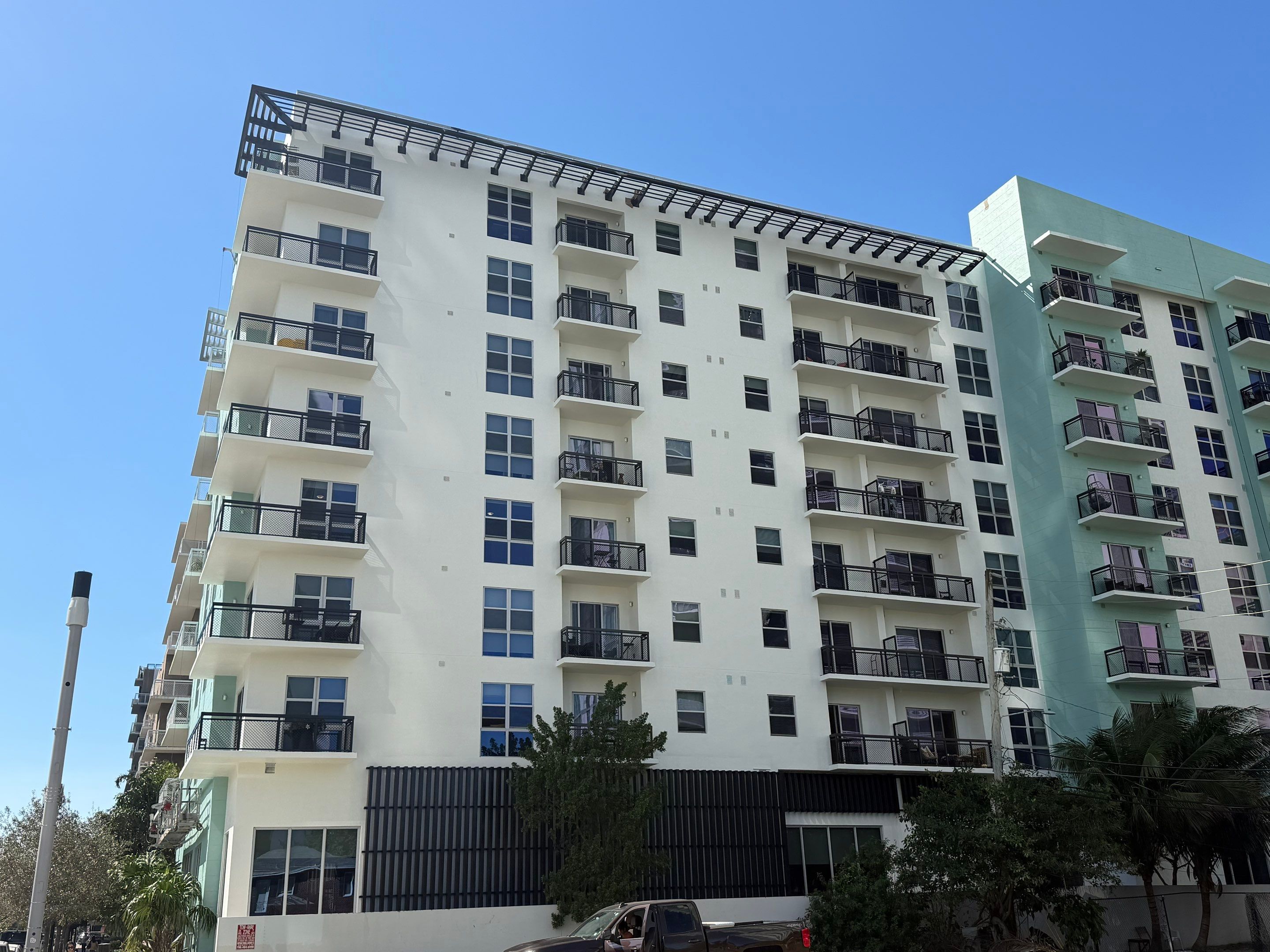
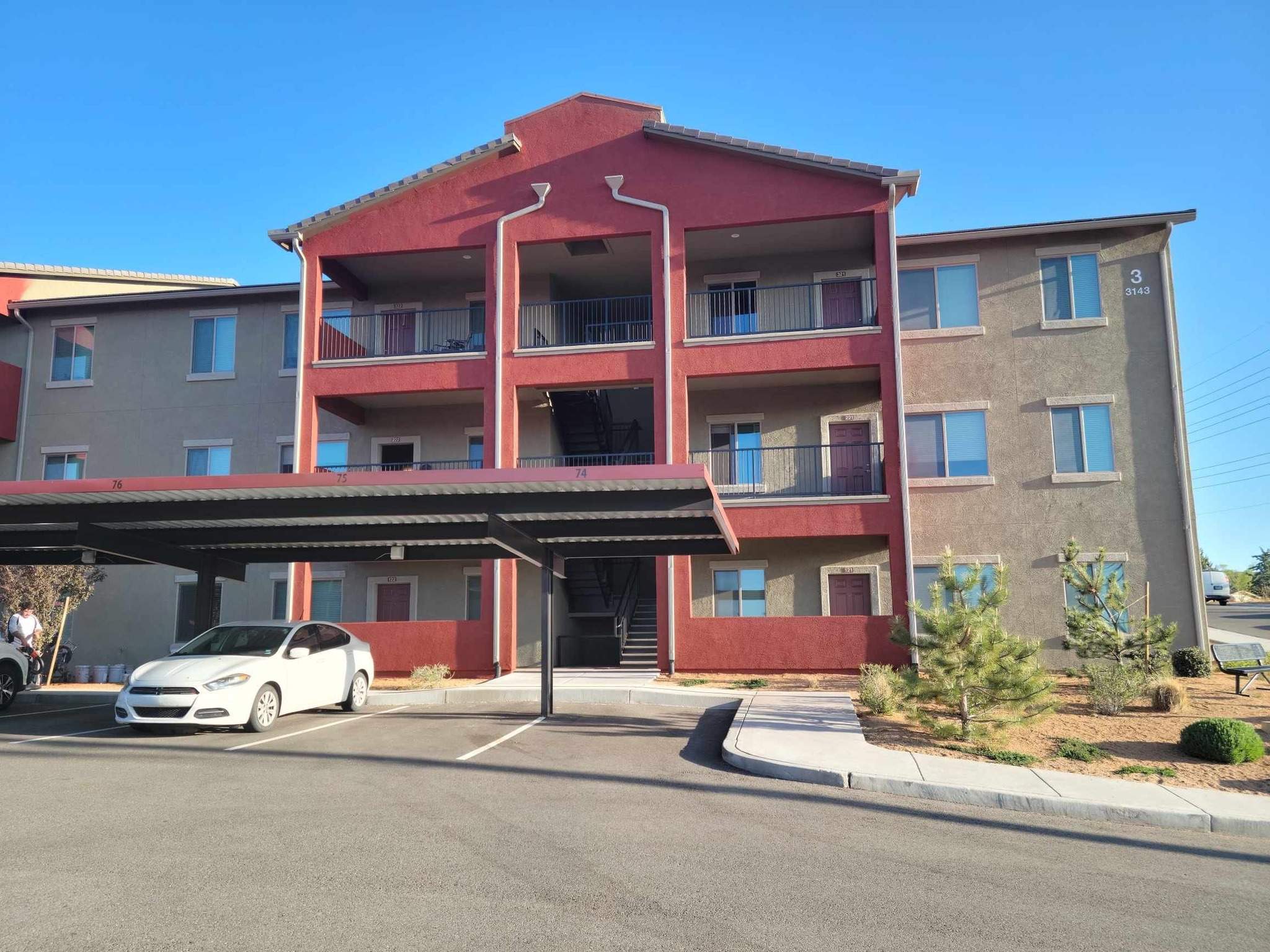
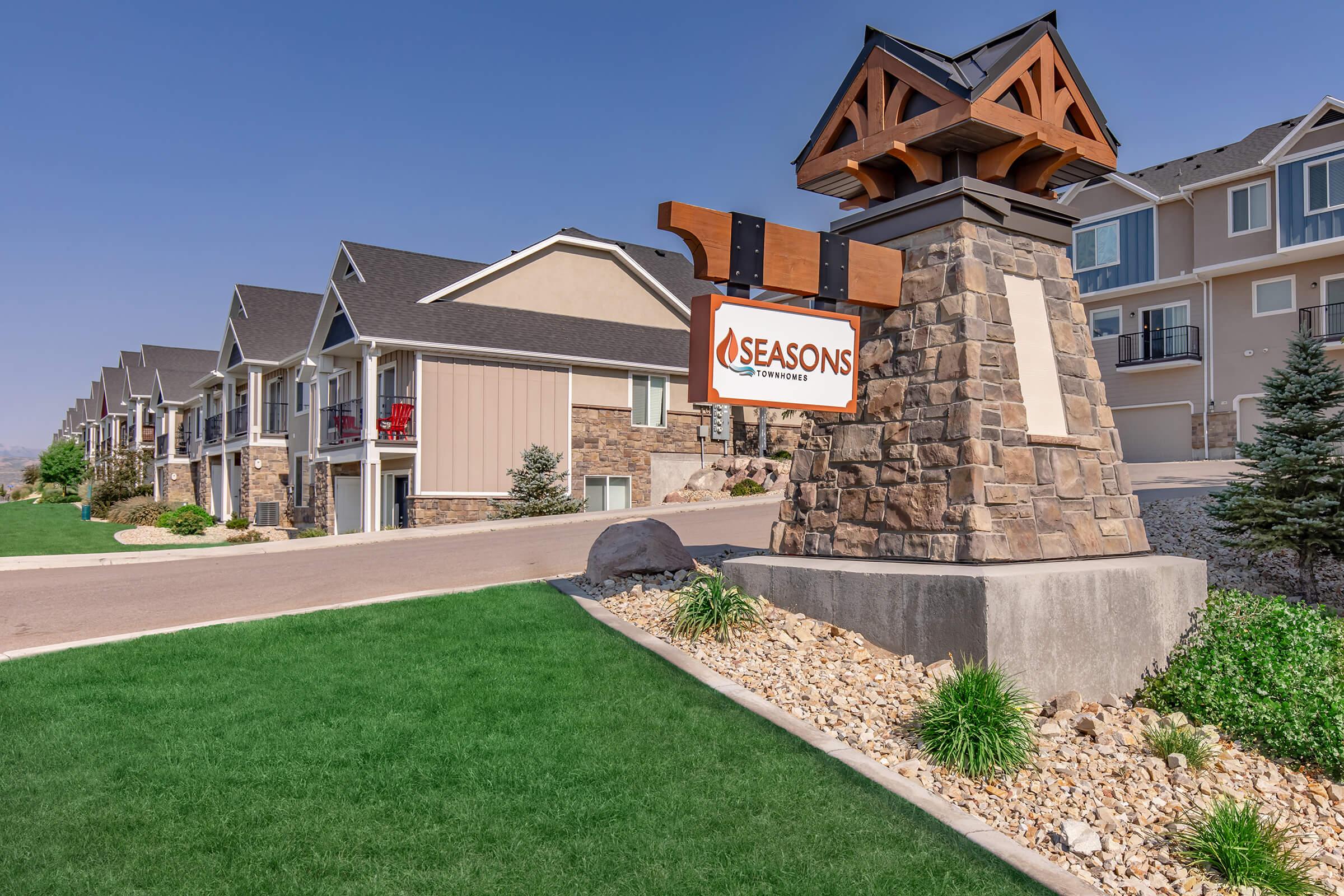
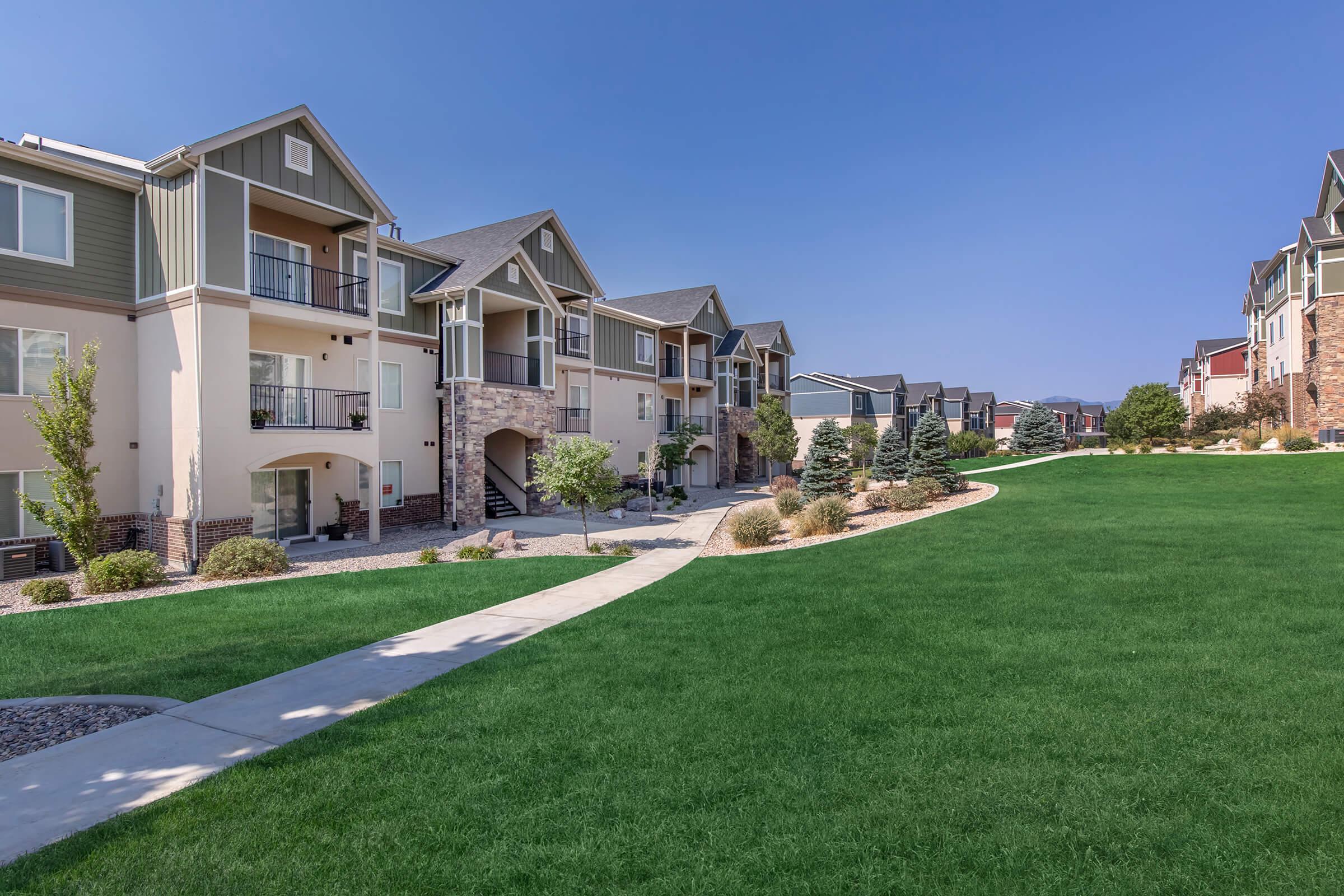
Three projects from the portfolio where this scope was the job, or a large part of it.
What is SB800?
SB800 is California’s Right to Repair Act, which sets construction standards for new residential construction and a pre-litigation process that gives builders notice and an opportunity to repair defects before a lawsuit. It covers issues such as water intrusion, structural and soils problems, and fire protection. Apex executes repairs within that process; whether it applies to your property is a question for counsel.
Does SB800 apply to my property?
It depends on the property type and dates involved, so ask your construction defect counsel. SB800 generally applies to new residential units sold in California since 2003, and its procedures and deadlines determine how repair offers and work proceed. Apex is a contractor, not a law firm; it performs the repair scope inside whatever process counsel has established.
Can a contractor work directly with our construction defect attorney?
Yes, and on SB800 matters Apex expects to. Apex takes repair scope from the engineer and expert, keeps records in a form counsel can produce, and communicates factually with all parties. Documentation of conditions found, work performed and materials used is organized so it supports the legal record without Apex taking positions on liability.
Do you perform the forensic investigation?
Apex supports the investigation rather than leading it. The investigation and the expert opinion belong to the forensic consultant; Apex makes the destructive openings, documents and protects them, and closes them back up so evidence is preserved and the building stays weathertight. Apex then prices and builds the repair the expert specifies.
How is a construction defect repair different from a normal repair?
A defect repair must satisfy the building, the expert and the legal process at once. That means building exactly to the engineer’s repair details, photographing and logging conditions as they are uncovered, preserving evidence, and keeping records suitable for litigation or settlement. On occupied residential buildings it also means phasing work so residents stay in their homes.
Most scopes touch more than one of these. They all run on one contract.

Tell us the asset, the scope and the timeline. We will come back within one business day.