Storm-torn roofing that needs emergency dry-in and stabilization
Emergency Response

Emergency stabilization & board-up

The first twelve hours decide how large the loss gets. Board-up, tarping, shoring, water extraction and power — on site while the claim is still being opened.

Emergency Response

What is emergency stabilization?

The first twelve hours decide how large the loss gets. Board-up, tarping, shoring, water extraction and power — on site while the claim is still being opened.

Emergency stabilization is the work done in the first hours after a fire, storm or water loss to stop the damage getting worse: board-up, roof tarping, temporary shoring, water extraction, temporary power and site security. Apex mobilizes 24/7, documents conditions for the claim, and carries the property through to the full rebuild under one contract.

Every hour between a loss and stabilization is damage you are going to pay to repair. Water keeps moving, weather keeps coming in through the opening, and an unsecured building is a liability problem on top of a property one.

Our emergency line is answered by a person around the clock. The crew that stabilizes the property is on the same contract as the crew that rebuilds it, so nothing is lost in a handoff and the documentation starts the night of the loss rather than the following week.

24/7
Dispatched from the nearest office

Hours
Not days, and you get a name

Logged
From hour one, for the claim

Scope

What a emergency board-up and stabilization scope includes

The line items we carry on a emergency stabilization scope, and what each one actually covers.

24/7 dispatch
(866) 404-4603, answered by a person, every hour of the year.

Board-up and temporary fencing
Securing openings and the site itself, so the loss does not become a liability exposure.

Tarping and dry-in
Weather kept out while permanent scope is priced.

Emergency shoring and make-safe
Structural stabilization where the damage compromised the building.

Water extraction and temporary power
Standing water removed and power restored so drying can start immediately.

Documentation from hour one
Photographs and conditions recorded before anything is moved or repaired.

i29e956,ie99f3b,i2de10d,ie99f3b,icc2547,if4c446
The Sequence

How emergency board-up and stabilization runs on an occupied property

Four stages, one contract. Nothing here is a handoff to somebody else.

Dispatch
From the nearest regional office. You get a name and an ETA, not a ticket number.

Secure the building
Board-up, tarping, shoring and utility isolation, in whatever order the site demands.

Start the record
Photographs, moisture readings and drying logs from hour one, because this is the file the claim is built on.

Hand off to nobody
The same contract carries through to the rebuild, so there is no handoff to lose anything in.

Townhome boarded up and secured after a fire
On the ground

Where emergency board-up and stabilization goes wrong, and how we prevent it

Speed, honestly quoted
If we cannot be there in a useful window we say so on the call, rather than holding your place and missing it.

Record before repair
Conditions photographed and logged before stabilization changes them, because the claim will need that later.

One contract onward
Stabilization, mitigation and rebuild on one agreement, so the record never breaks at a handoff.

Get this scoped on your property
Pricing

What drives emergency board-up and stabilization cost

Two contractors can price the same building a long way apart and both be honest about it. These are the variables that explain the gap — worth asking every bidder, not just us.

Time of call
The first four hours determine how much of the building is still a repair rather than a replacement.

Building size and access
How much needs to be secured, and whether it can be reached with what is on the truck.

Utilities and safety
Power, gas and structural stability have to be resolved before anything else happens.

Pre-registration
Properties already on file skip the paperwork and go to the front of the dispatch queue in a regional event.

Emergency stabilization and board-up work by Apex Contracting Group

Self-performed where it matters, subcontracted where it does not

The trades that decide whether this scope holds up are ours. Everything else runs through trade partners we have used in that market before, on our contract and our warranty.

  • One project manager and one superintendent, named before award
  • Weekly reporting against a schedule with real float in it
  • One warranty at closeout, whoever swung the hammer
Projects

Recent emergency board-up and stabilization projects

Three projects from the portfolio where this scope was the job, or a large part of it.

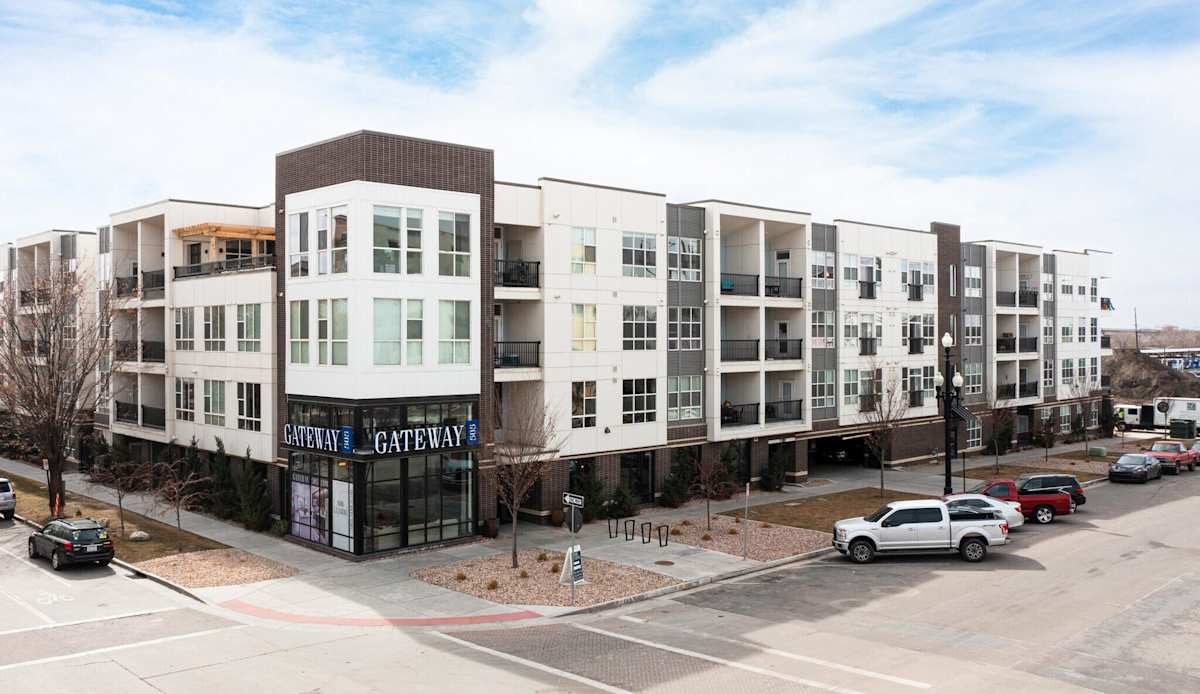
sugar-flats,gateway-505,hawthorne-townhomes
FAQ

Emergency board-up and stabilization: common questions

What is emergency stabilization after property damage?
Emergency stabilization is the work that stops a damaged building from getting worse right after a loss: board-up, roof tarping, temporary shoring, water extraction, temporary power and site security. It protects residents and property and satisfies the insurance policy’s expectation that the owner prevent further damage. Apex stabilizes the building and documents conditions for the claim at the same time.

Do we need an insurance claim open before calling a contractor?
No. Stabilization should not wait on a claim number. Report the loss to your carrier as soon as practical, but call for emergency work immediately; Apex’s photos, moisture readings and work records become part of the claim once it is opened. Waiting often allows water or weather to enlarge the loss.

Who pays for emergency board-up and tarping?
In most cases reasonable emergency mitigation is part of a covered property insurance claim, because policies generally require the insured to prevent further damage. Coverage, deductibles and limits depend on your policy, and the property owner authorizes and is ultimately responsible for the work. Apex documents the work in the format adjusters expect so it can be reviewed and reimbursed.

How is emergency work billed?
Emergency work is billed on documented time and materials at rates agreed in advance, which is standard practice and what carriers expect to see. Apex provides the rate sheet up front and logs labor, equipment and materials daily. Owners with a pre-loss agreement have rates and terms set before anything happens.

How fast can a crew be on site?
It depends on the market and whether a regional event has stretched local crews, so Apex gives a realistic arrival time on the call rather than a generic promise. Crews dispatch from the nearest of Apex’s 18 offices. Call 866-404-4603 to report an emergency.

Related services

The rest of Reconstruction and Restoration

Most scopes touch more than one of these. They all run on one contract.

Reconstruction
emergency-stabilization

Need a number on emergency stabilization?

Tell us the asset, the scope and the timeline. We will come back within one business day.

CallRequest a Quote