Scope detail, duration and references for any project in the portfolio, on request.
Ask usA scoping call with the regional team that would actually run the work.
Book a meeting
Extraction and structural drying under licensed protocols, then the rebuild — with every moisture log captured for the file rather than reconstructed later.
Water and flood damage restoration removes water from a building, dries the structure to documented moisture targets, and rebuilds what could not be saved. It begins with extraction and drying, continues with mold prevention, and ends with drywall, flooring and finish replacement. Apex keeps the moisture logs and photos the insurance claim needs.
Guide: Water damage mitigation vs. reconstruction
Water losses are won or lost in the first 48 hours, and then again in the file. Drying that was not logged properly is drying that will be questioned, and a rebuild that starts over materials that are still wet is a mold claim waiting to be filed.
We dry under protocol with the readings captured as they are taken, not reconstructed afterwards. When the rebuild starts, there is a moisture record showing the assemblies were dry on the day work began.
3-16 wks
Dry-out through reoccupancy
Logged daily
Moisture readings per material
Licensed
Mitigation under protocol
The line items we carry on a water & flood scope, and what each one actually covers.
Extraction and structural drying
Water removed and assemblies dried under licensed protocol with monitored equipment.
Moisture logs and documentation
Daily readings captured in the field and assembled into a record the adjuster can follow.
Rebuild of affected assemblies
Drywall, insulation, flooring, cabinetry and trim replaced once the substrate is verified dry.
Plumbing and supply-line failure repair
Fixing the cause as well as the damage, so the same unit is not back next quarter.
Category 3 and sewage losses
Contaminated-water protocols, disposal and clearance handled by trained crews.
Multi-unit and vertical losses
Stacked losses scoped as one event, because a supply line on the fourth floor is a four-unit claim.
Four stages, one contract. Nothing here is a handoff to somebody else.
Extract and dry
Extraction and structural drying under licensed protocol, with equipment logged and readings taken daily.
Prove it is dry
Written clearance before any rebuild trade enters. Verbal is not clearance.
Rebuild the assemblies
Affected assemblies rebuilt to pre-loss condition, with the finish match confirmed against the property standard.
Release by stack
Units handed back to leasing as each stack clears, rather than all at the end.

Dry before you build
Rebuild does not start on a schedule, it starts on a reading. We will hold the date rather than trap moisture behind new drywall.
Where the water travelled
Water moves laterally through assemblies. Adjacent units and the floors below get checked, not assumed dry.
The cause, not just the damage
If the failed component is not replaced, the claim repeats. We scope the cause into the repair.
Two contractors can price the same building a long way apart and both be honest about it. These are the variables that explain the gap — worth asking every bidder, not just us.
How long it ran
A supply line that ran for six hours and one that ran overnight are different losses in every respect.
Materials affected
Gypsum and carpet dry or get replaced cheaply. Hardwood, cabinetry and insulation in an assembly do not.
Vertical travel
Water moves down through stacks. The unit count on the estimate is usually larger than the unit count on the first call.
Category of water
Clean, grey and black water carry different protocols, different disposal and different rebuild scopes.
.jpeg)
The trades that decide whether this scope holds up are ours. Everything else runs through trade partners we have used in that market before, on our contract and our warranty.
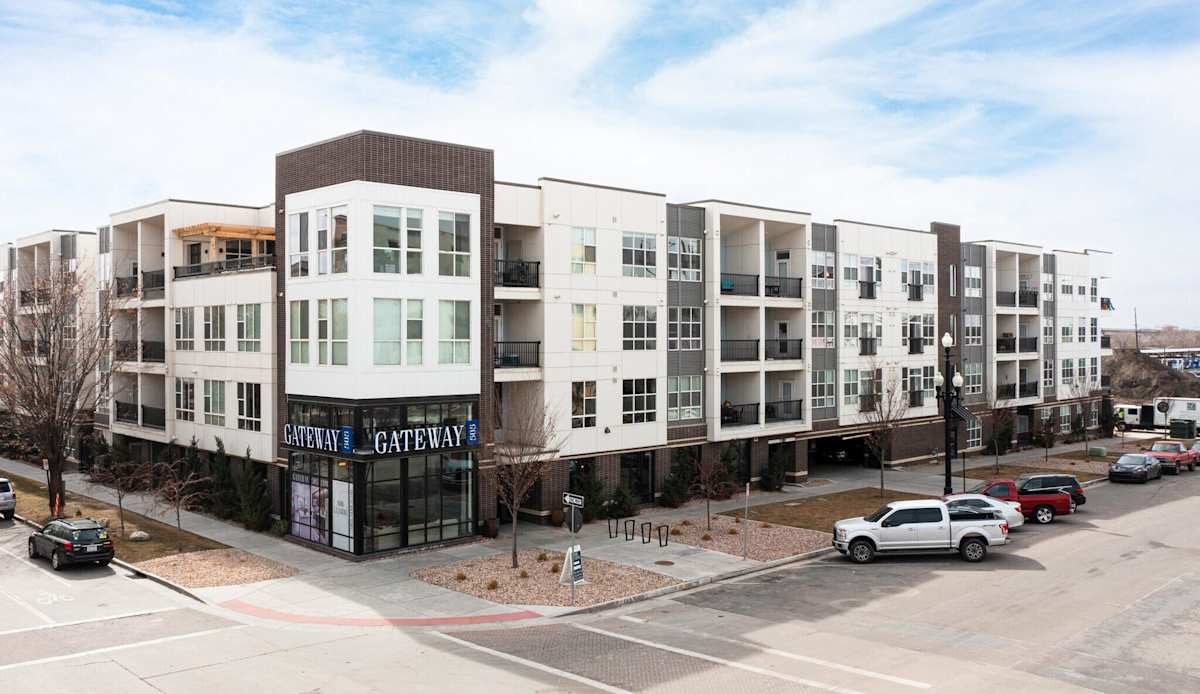
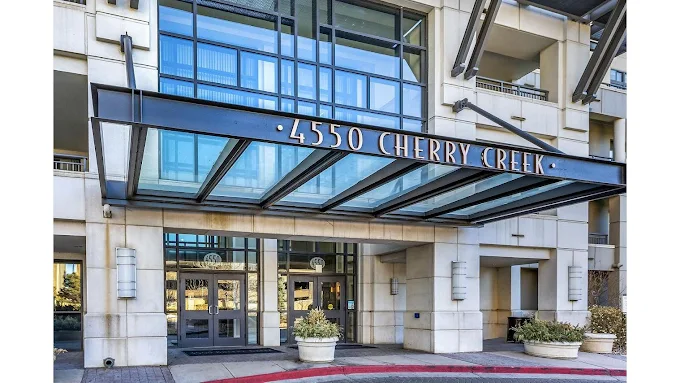
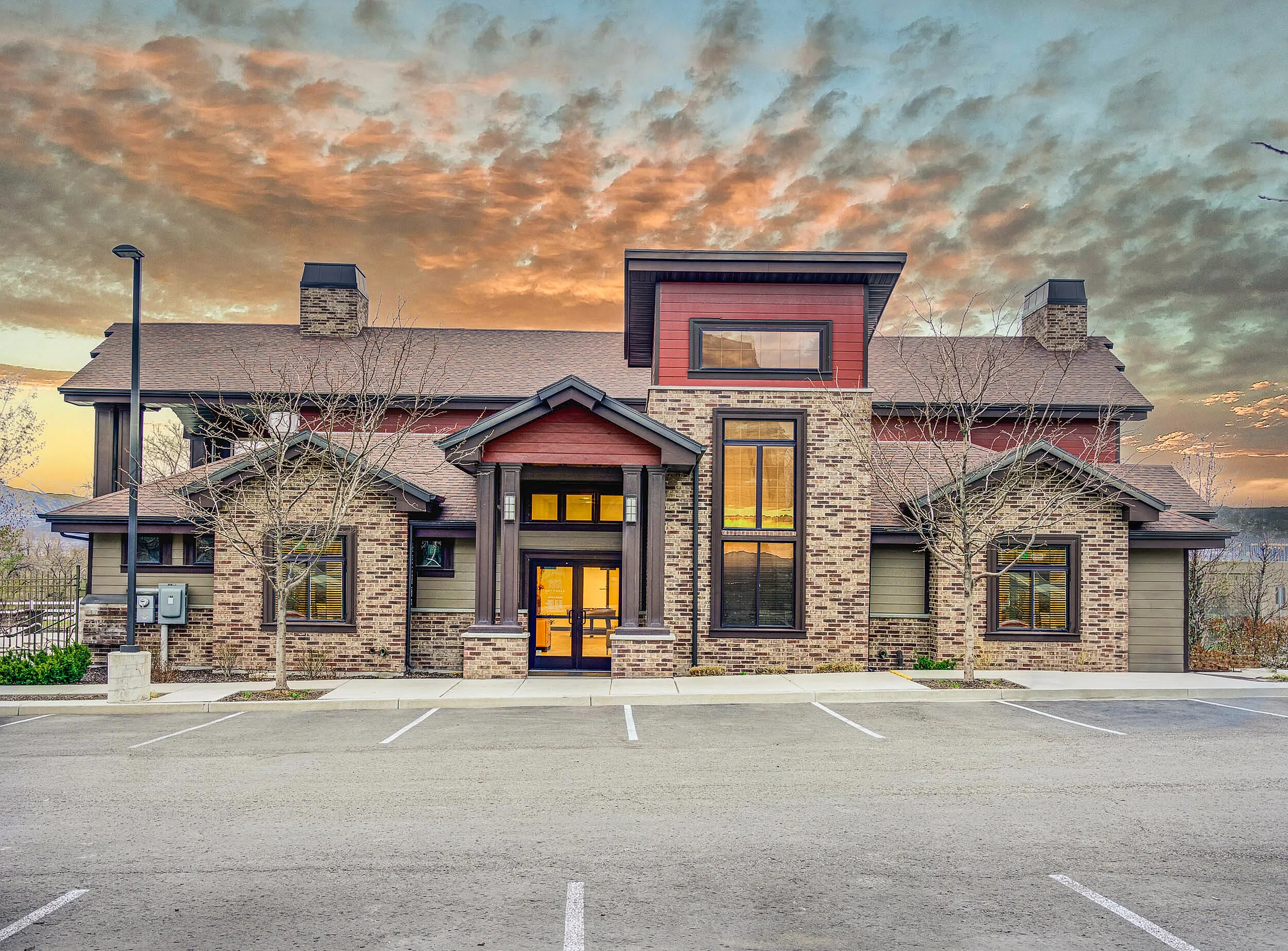
Three projects from the portfolio where this scope was the job, or a large part of it.
What should I do first after water damage in a building?
Stop the water source and make the area safe, then call for mitigation immediately. Shut off the supply valve or power if safe, move residents away from affected areas, photograph the damage, and notify your insurance carrier. Apex extracts water, sets drying equipment and starts moisture logs on the first visit so the claim is documented from day one.
What are Category 1, 2 and 3 water damage?
Water categories describe contamination level under the IICRC S500 standard. Category 1 is clean water, such as a supply line break; Category 2 is gray water with some contamination, such as appliance discharge; Category 3 is grossly contaminated black water, such as sewage or floodwater. Higher categories require removal of more porous materials and stricter containment.
How long does structural drying take?
Drying time depends on the water category, how long water sat, and which materials are wet; insulation, hardwood and dense assemblies dry slowly. Drying is complete when moisture readings reach the drying goals for each material, not on a fixed day count. Apex records daily readings so the adjuster can see why equipment stayed or left.
Is water damage covered by commercial property insurance?
Sudden and accidental water damage, such as a burst pipe, is commonly covered, while gradual leaks and flood from rising surface water are often excluded or require separate flood coverage. Your specific policy language controls. Apex documents the cause, extent and repair in line-item form so your adjuster can apply the policy accurately.
Do you handle both water mitigation and the rebuild?
Yes, on one contract. The crew that dries the building works under the same paperwork as the crew that rebuilds it, so moisture logs, photos and scope carry straight into reconstruction. That avoids re-bidding the rebuild and the gap between contractors where time and documentation are usually lost.
What happens to residents in water-damaged units?
It depends on habitability, which Apex assesses on day one. Where units can stay occupied, work is contained and scheduled around residents; where they cannot, Apex tells the property team plainly and plans the rebuild to get those units back first. A reoccupancy schedule is updated as drying and reconstruction progress.
Most scopes touch more than one of these. They all run on one contract.
Local reconstruction pages: Salt Lake City · Denver · Dallas · Los Angeles · San Diego · Phoenix · Las Vegas · Albuquerque · Seattle · Boise · Atlanta · Tampa

Tell us the asset, the scope and the timeline. We will come back within one business day.