Scope detail, duration and references for any project in the portfolio, on request.
Ask usA scoping call with the regional team that would actually run the work.
Book a meeting
Containment, remediation and clearance testing under protocol, with asbestos and lead handled by licensed abatement before any rebuild starts.
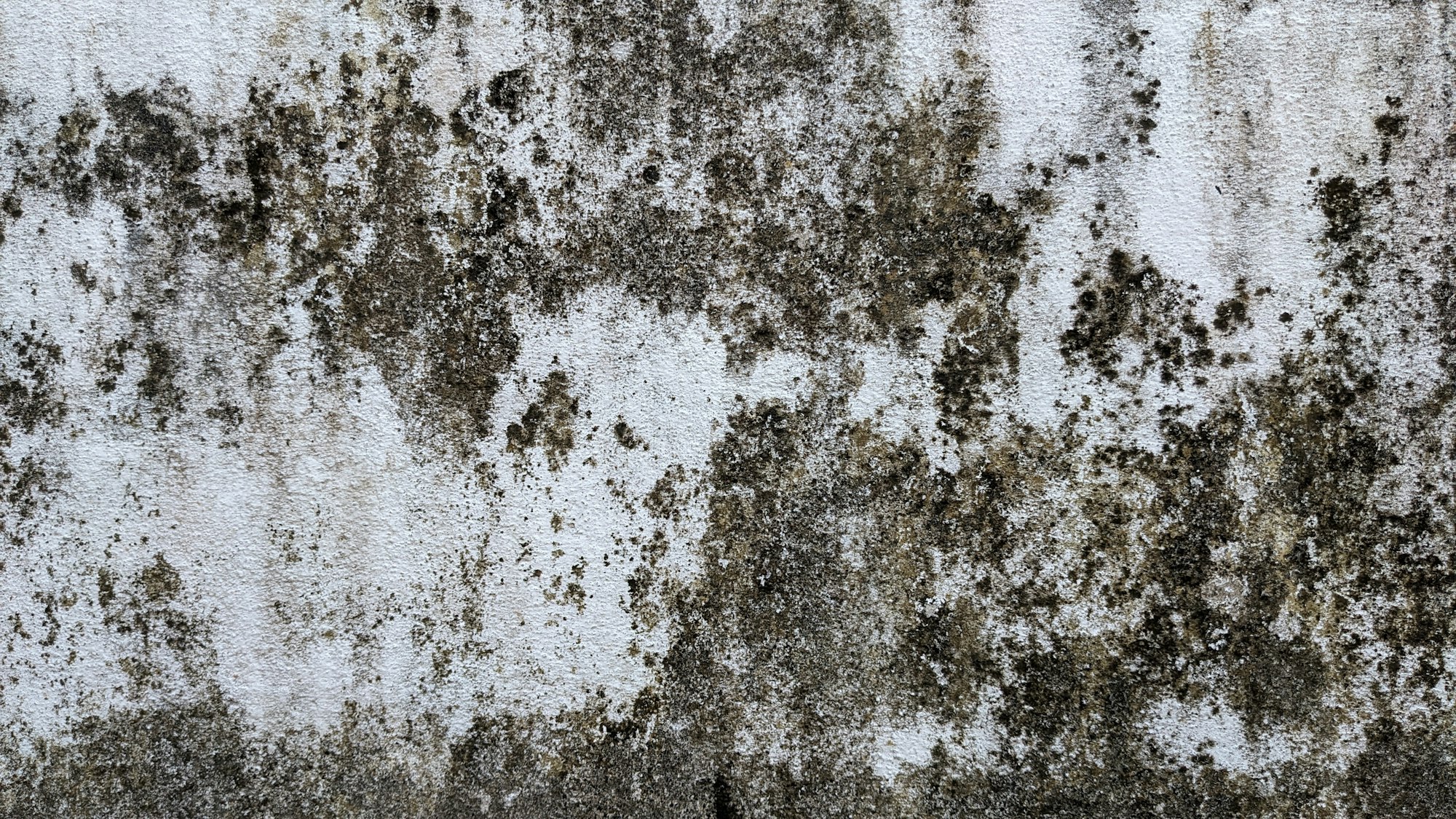
Mold remediation removes mold growth and its moisture source under a written protocol: containment, negative air, removal of affected materials, cleaning and independent clearance testing. Environmental work also covers asbestos and lead, which licensed abatement contractors handle before any rebuild. Apex manages the protocol, the abatement and the reconstruction as one scope.
Mold work is a compliance exercise as much as a construction one. Containment, remediation and clearance testing happen under protocol, and where asbestos or lead are present in an older building, licensed abatement has to come first or the whole job is contaminated.
The remediation is also not the fix. Mold is a symptom of a water problem, and a remediation that does not correct the source is a recurring cost dressed up as a one-time one.
2-10 wks
Including clearance
Third-party
Clearance testing, not self-certified
Written
Clearance before any rebuild
The line items we carry on a mold & environmental scope, and what each one actually covers.
Containment and remediation protocols
Negative-pressure containment, HEPA filtration and remediation under written protocol.
Third-party clearance testing
Independent post-remediation verification — not our own sign-off on our own work.
Asbestos and lead abatement
Licensed abatement scheduled ahead of demolition in older buildings.
Indoor air quality documentation
Sampling and results assembled as a record for the file and for residents.
Source correction
Finding and fixing the water intrusion or humidity problem that produced the growth.
Rebuild of removed assemblies
Putting the building back once clearance has passed, on the same contract.
Four stages, one contract. Nothing here is a handoff to somebody else.
Get a protocol
An independent hygienist writes the protocol. We build to it; we do not write our own test.
Contain and remediate
Negative-pressure containment, remediation and abatement under license.
Clear it in writing
Third-party clearance testing with the letter issued before any rebuild trade enters.
Fix the source
The water source repaired as part of the same contract, because remediation without it is temporary.

Independent clearance
Clearance testing is done by a third party. A contractor clearing its own remediation is not a record anybody should accept.
Pre-1980 buildings
Assume asbestos and lead until testing says otherwise. Demolition before testing is how a small job becomes a large one.
The source
If the cause is not corrected, the growth returns. We will scope the source repair even when it was not in the original request.
Two contractors can price the same building a long way apart and both be honest about it. These are the variables that explain the gap — worth asking every bidder, not just us.
Source, not surface
Remediating growth without fixing the water source buys a few months. The source repair is part of the scope or the job is not finished.
Containment complexity
Occupied buildings need negative-pressure containment and separate access. That is a real line, not an overhead.
Asbestos and lead
In anything built before the late eighties, the abatement survey comes first and can reshape the whole schedule.
Clearance criteria
What the protocol requires to pass, agreed with the hygienist before the work starts rather than argued after it fails.

The trades that decide whether this scope holds up are ours. Everything else runs through trade partners we have used in that market before, on our contract and our warranty.
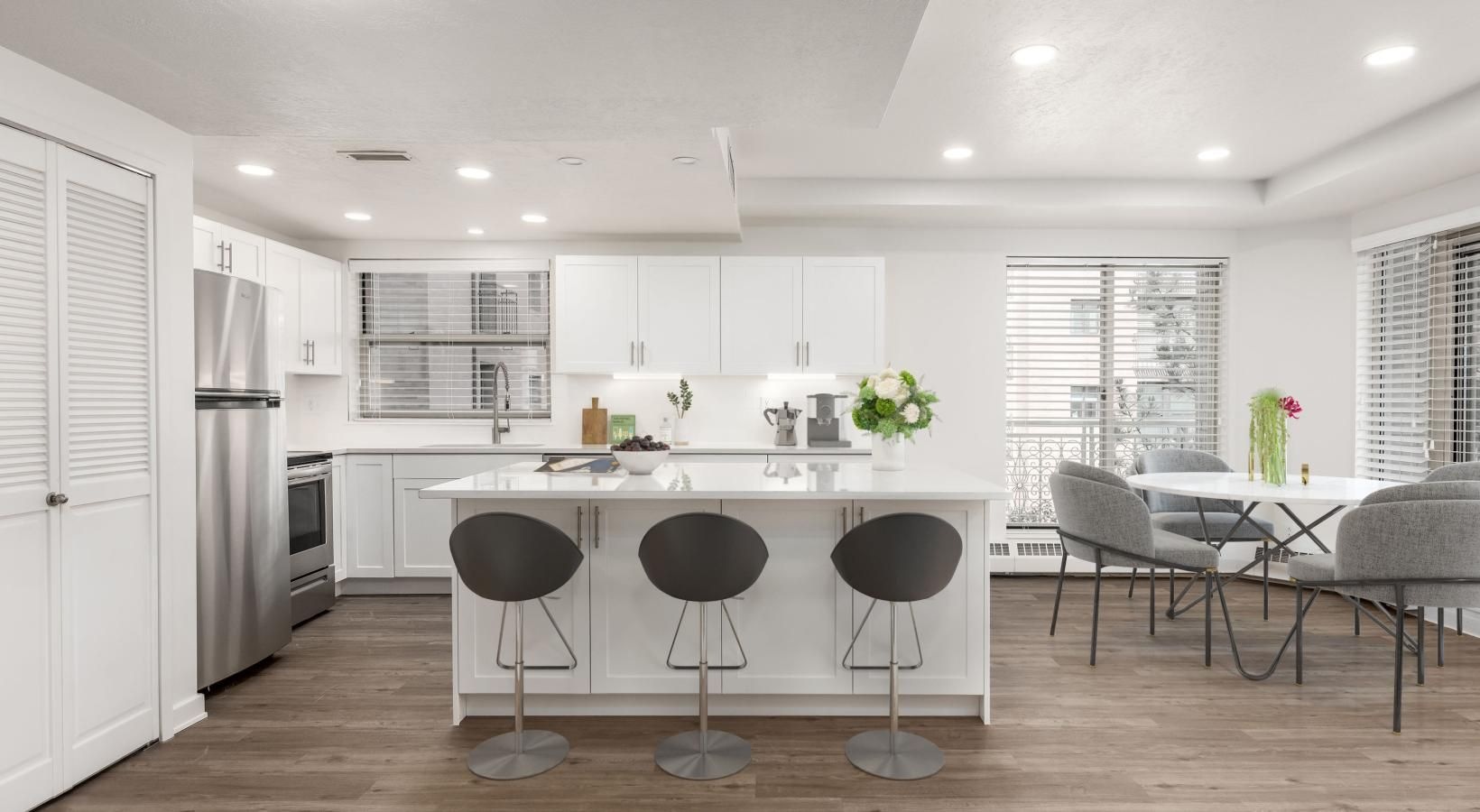
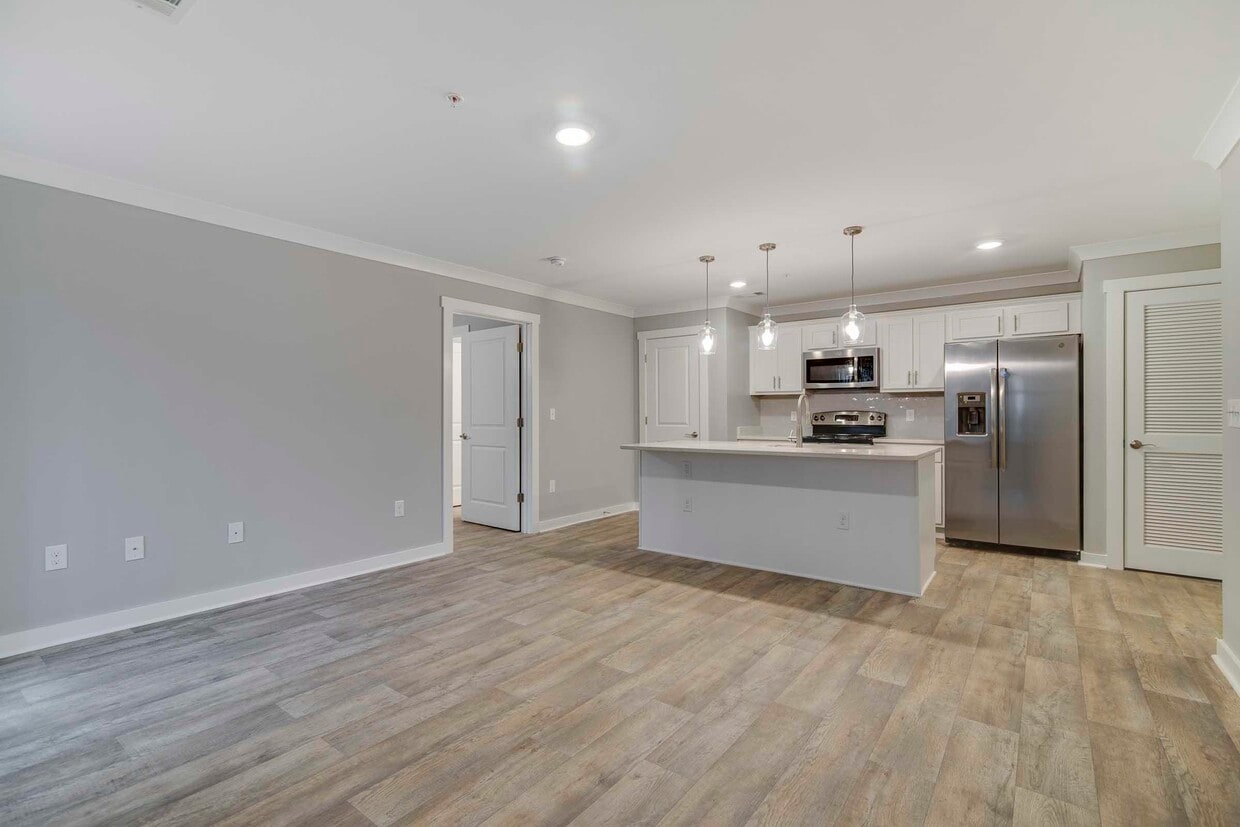
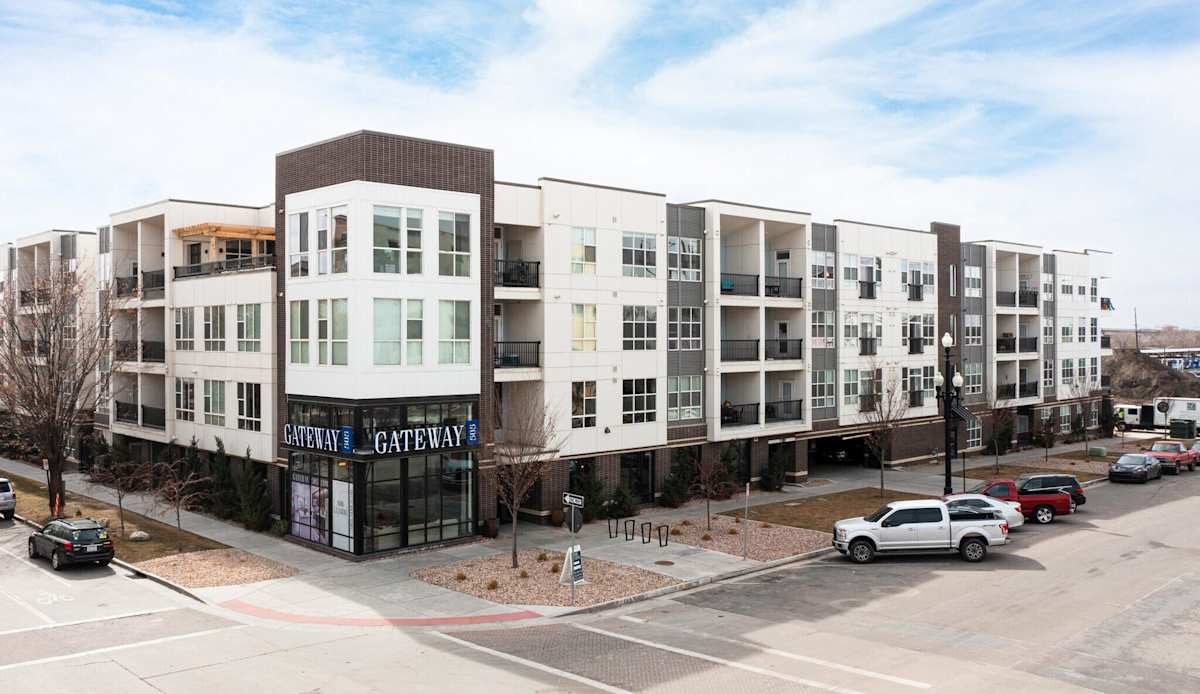
Three projects from the portfolio where this scope was the job, or a large part of it.
Who performs mold clearance testing?
An independent industrial hygienist performs clearance testing, not the remediation contractor. Apex coordinates the hygienist, works to their written protocol and does not clear its own work, so you have an unbiased record that the area passed. The same separation applies to asbestos and lead abatement, which licensed abatement contractors handle before any rebuild.
Is mold remediation covered by insurance?
Mold is usually covered only when it results from a covered water loss, and many commercial policies cap or exclude mold coverage. Gradual leaks and long-term humidity are commonly excluded. Your policy language controls, so Apex documents the moisture source, extent of growth and remediation steps in a form your adjuster can evaluate.
Do residents need to leave during mold remediation?
It depends on the extent and location. Contained remediation in a common area often does not require relocation, while significant growth inside an occupied unit usually does until clearance. Apex tells the property team plainly on the first assessment and schedules the work to shorten any displacement.
What is the difference between mold remediation and mold removal?
Remediation is the controlled process of containing, removing and cleaning mold-affected materials and then verifying the result with clearance testing. Simply removing visible mold without containment can spread spores to other areas. Remediation also includes correcting the moisture source so growth does not return.
Will you fix what caused the mold?
Yes, Apex scopes and prices source correction as part of the job. Remediation without fixing the water intrusion or humidity problem is a repeat cost. Apex identifies the source, such as a roof leak, failed flashing, plumbing or ventilation, and prices the repair even when it falls outside the insurance claim.
Most scopes touch more than one of these. They all run on one contract.
Local reconstruction pages: Salt Lake City · Denver · Dallas · Los Angeles · San Diego · Phoenix · Las Vegas · Albuquerque · Seattle · Boise · Atlanta · Tampa
.jpeg)
Tell us the asset, the scope and the timeline. We will come back within one business day.