Emergency stabilization, claims-grade documentation and full reconstruction on one contract — so nothing is lost in the handoff between the mitigation crew and the rebuild.
After a loss, one Apex team from the first call to the last unit back in service.
Property managers need the building safe and residents housed. Owners need the claim to hold up. Adjusters need a file they can reconcile. Apex dispatches from a local office around the clock, stabilizes and documents the loss as the building dries, and rebuilds it on the same contract, so nothing gets lost between the mitigation crew and the rebuild.
One teamfrom the first tarp to the final walkthrough
24/7 dispatchA named responder from the nearest of 18 local offices, not a ticket number.
Carrier-ready fileXactimate-compatible line items, photos and moisture logs built while the building is still wet.
One contractMitigation, documentation and the full rebuild with one team accountable.
What We Rebuild
Nine loss lines, from the first tarp to the last resident back.
The 58 scopes a loss usually turns into, grouped the way the claim runs. The same contract carries every one of them, so nothing is re-bid between the dry-out and the rebuild.
Every restoration company in the country promises a 24-hour response. Almost none of them can tell you what happens on day thirty. A loss is resolved when residents are back in their units and the claim is closed — and that stretch is where projects come apart.
+One contractor from emergency stabilization through reoccupancy
+The team that documented the loss is the team that rebuilds it
+One contract, one project manager, one warranty at closeout
The Problem
The handoff is where the money goes
Most losses are run by two or three companies that never worked together. The seams between them cost the owner weeks and the carrier margin.
How it usually goes
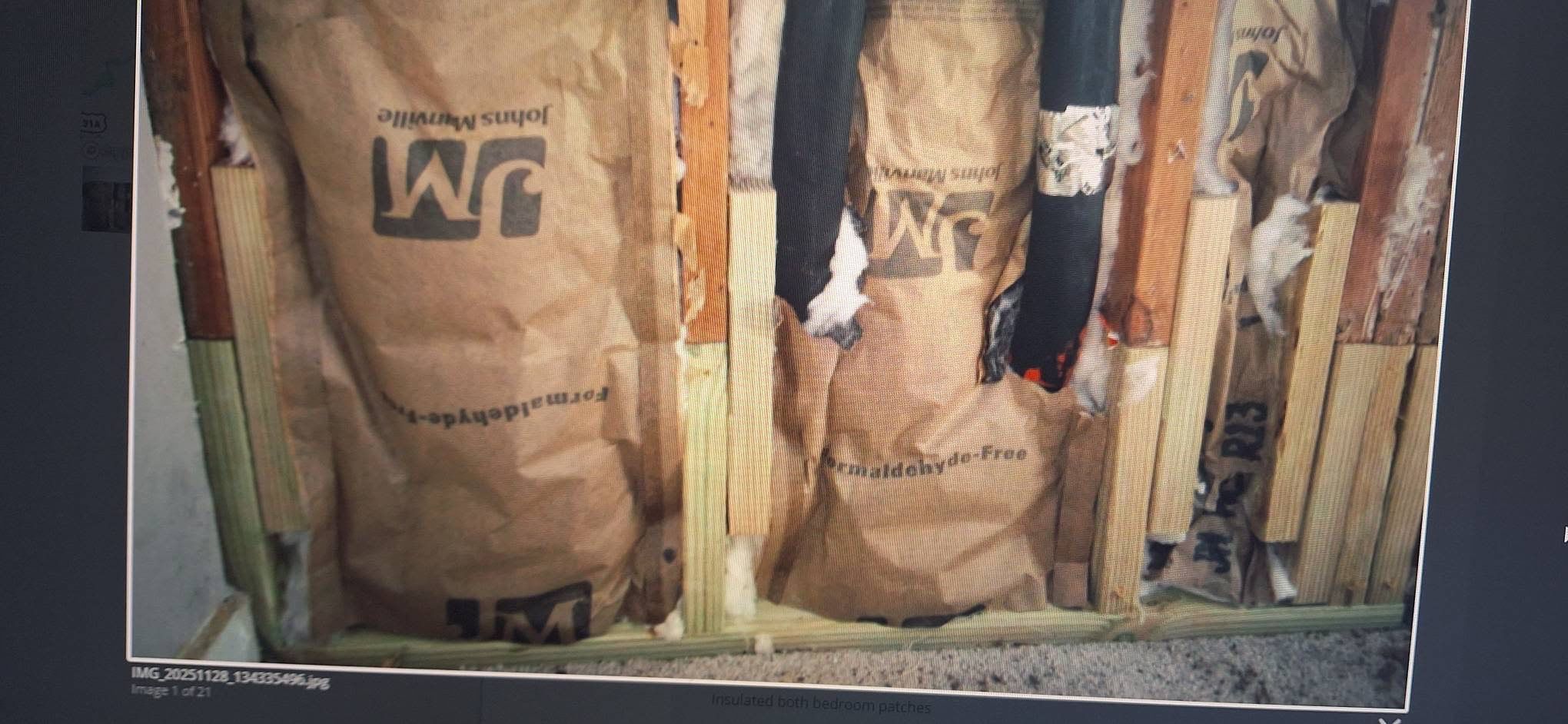
A mitigation crew stabilizes and dries the building, then demobilizes. The property re-bids the rebuild. A new contractor re-scopes what the first one already documented. The adjuster receives two different versions of the same loss.
+Four to eight weeks lost between dry-out and rebuild
+Scope disputes because nobody owns the documentation
+Separate warranties, and an argument about which one applies
How it goes with Apex
Where the mitigation companies stop, we continue. The team that documented the loss on day one builds it back on the same contract, with the same photos, measurements and moisture logs carried straight into the reconstruction estimate.
+One contractor from stabilization through reoccupancy
+One scope of record, captured in the field
+One contract, one PM, one warranty at closeout
How We Work
Stabilize, document, rebuild
Three phases, one contract. The crew that tarps the roof at midnight is on the same paperwork as the crew that hands back the last unit.
Stabilize
Hours, not days. Board-up, tarping, water extraction and structural drying under licensed mitigation protocols, dispatched from the nearest regional office with every drying log captured from hour one.
+Emergency board-up and tarping
+Water extraction and structural drying
+Moisture logs captured for the file
Document
While the evidence is still there. Photo logs, measurements and preliminary scope captured in the field at the same time as the mitigation work, so the reconstruction estimate is not rebuilt weeks later from memory.
+Photo and moisture documentation
+Field measurements and scope capture
+Adjuster and consultant engaged early
Rebuild
One contract through reoccupancy. Full build-back to pre-loss condition — envelope, roofing, interiors and finishes — with SOV breakdowns and change orders documented as they happen rather than argued at invoice.
+Envelope, roofing and interior rebuild
+SOV and change-order documentation
+One warranty at closeout
What the carrier gets
The claim file, built while the building was still wet
A loss is settled on documents. These are the ones we hand over — assembled in the field during mitigation rather than reconstructed from memory six weeks later, which is the difference between a scope that settles and a scope that gets argued.
Apex Contracting Group
Commercial construction & restoration
Loss Estimate
Halden Court — Building 4, water loss
Fort Worth, Texas · APX-26-0511
Prepared for
Halden Court ownership & carrier
Prepared by
Apex Contracting Group · Dallas
Date of loss
2 May 2026 · FNOL same day
Mitigation
Apex, dispatched 2 May, 21:40
Units affected
11 across 3 stacks
Format
Xactimate-compatible line items
Supply-line failure on the fourth floor, eleven units across three stacks. Mitigation complete; this prices the build-back.
Loss-related total, RCV
$167,721
ACV and depreciation on page 2Code upgrade broken outOwner upgrades on their own lines
Line item
Qty
Unit
Rate
Extended
Selective demolition, affected assemblies
6,840
SF
2.35
16,074
Framing and sheathing repair
1,120
SF
7.80
8,736
Insulation, batt, replaced to code
6,840
SF
1.45
9,918
Drywall, tape, texture and paint
6,840
SF
4.90
33,516
Flooring, LVP to match existing
5,220
SF
6.35
33,147
Cabinetry, counters and fixtures
11
UNIT
4,850
53,350
Code upgrade — AFCI and egress
11
UNIT
1,180
12,980
Owner-elected finish upgrade
11
UNIT
2,400
26,400
Loss-related scope, subtotal
154,741
Code upgrade, priced separately
12,980
Loss-related total, RCV
167,721
Owner-elected work, not claim — billed separately
26,400
Key assumptions
Scope built from the mitigation photo set and moisture log, not from memory.
Drying complete and clearance documented before any rebuild line was priced.
Finish match confirmed against the property standard, not assumed.
Exclusions
Contents cleaning, storage and inventory (handled under a separate line).
Loss of rent and additional living expense.
Loss, code upgrade and owner-elected work are never blended on one line, so the adjuster can settle the first two alone.
Illustrative sample
Apex Contracting Group
Commercial construction & restoration
Drying Log
Halden Court — Building 4, drying record
Fort Worth, Texas · APX-26-0511 · 2–7 May 2026
Water category
Category 1, supply line
Class of loss
Class 2
Equipment, peak
38 air movers · 9 dehumidifiers
Readings
Twice daily, 08:00 and 17:00
Technician
IICRC WRT / ASD certified
Clearance
7 May, 16:20 · written
Days to drying goal
5 days
Every material at or below targetClearance signed before rebuildMeter calibrated 1 May
Moisture content by location · % MC
Location
Material
Goal
Day 1
Day 3
Day 5
Unit 412 — kitchen wall
Drywall
12
38
19
11
Unit 412 — subfloor
OSB
15
42
24
14
Unit 312 — ceiling
Drywall
12
33
17
10
Unit 312 — bath wall
Drywall
12
29
15
11
Unit 212 — ceiling
Drywall
12
26
13
10
Stack B — chase framing
Wood stud
15
31
20
14
Corridor 4 — pad
Removed day 1
—
—
—
—
Psychrometric record · affected area
Reading
Temp °F
RH %
GPP
Outdoor GPP
2 May, 23:10
78
71
97
104
4 May, 08:00
76
48
62
101
6 May, 17:00
74
36
45
98
Equipment log
38 air movers set 2 May, reduced to 14 on day 4.
9 LGR dehumidifiers, 3 per stack, removed day 5.
Containment on Stack B chase until clearance.
Clearance
Written clearance issued 7 May before any rebuild trade entered.
Final readings attached to the estimate file.
Every reading names the meter, the time and the technician. The log is the evidence the rebuild scope stands on.
Illustrative sample
Apex Contracting Group
Commercial construction & restoration
Photo Report
Halden Court — Building 4, located photographs
Fort Worth, Texas · APX-26-0511
Photographs
214 in the full set
Located to
Unit floor plans, stacks A–C
Stages
Before · during · after
Timestamps
Device time, not edited
Linked to
Estimate line numbers
Taken by
Apex mitigation team
P-014
Before
Unit 412 — wall growth behind finish
Est. lines 1, 4 · 2 May 22:05
P-022
Before
Unit 412 — sill damage at exterior wall
Est. lines 1, 5 · 2 May 22:18
P-037
During
Unit 312 — wall opened, reinsulated
Est. line 2 · 3 May 09:40
P-061
During
Unit 312 — drying equipment in place
Supplement S-01 · 4 May 10:12
P-118
After
Unit 212 — bath rebuilt and finished
Est. line 4 · 28 May 15:30
P-142
After
Unit 412 — returned to leasing
Est. lines 5, 6 · 3 Jun 11:05
The same vantage point is shot at each stage, so before and after can be laid side by side for the adjuster.
Illustrative sample
Apex Contracting Group
Commercial construction & restoration
Schedule of Values
Halden Court — Building 4, water loss · draw 3
Fort Worth, Texas · APX-26-0511 · period ending 31 May 2026
Contract basis
Settled loss estimate
Contract sum, loss + code
$167,721
Owner-elected work
$26,400, separate
Billed to date
$105,619
Retainage
None on insurance draws
Draw
3 of 5
Complete to date
63%
Loss lines match the settled estimateSupplements shown separatelyOwner upgrades never billed to the claim
#
Description
Scheduled
% done
To date
1
Selective demolition
16,074
100%
16,074
2
Framing and sheathing repair
8,736
100%
8,736
3
Insulation, replaced to code
9,918
100%
9,918
4
Drywall, tape, texture, paint
33,516
75%
25,137
5
Flooring, LVP to match
33,147
40%
13,259
6
Cabinetry, counters, fixtures
53,350
50%
26,675
7
Code upgrade — AFCI, egress
12,980
45%
5,820
Contract sum, loss + code
167,721
Billed to date
105,619
Change and supplement log
Ref
Found
Change
Amount
Status
S-01
4 May
Sill plate rot, Unit 312 — photo P-061
2,840
Approved
S-02
9 May
Added drywall, Unit 212 closet
1,120
Approved
S-03
20 May
Cabinet match unavailable, Unit 412
960
Submitted
A certificate of completion is signed at closeout, with the warranty and the full photo set attached.
Illustrative sample
Loss estimate · page 1 of 5
Illustrative sample · fictional property
What is in the package
Loss estimate
Line-item, Xactimate-compatible
Mitigation & drying log
Hour one through clearance
Located photo report
Every affected assembly, dated
SOV & change documentation
What gets billed, and why it moved
Loss-related scope, priced
Line by line, in the format your carrier already reads.
ACV, RCV and depreciation
Three columns, so recoverable depreciation is visible.
Code upgrade, broken out
Ordinance and law priced on its own lines, never blended.
Owner-elected work, separated
Upgrades priced apart from the claim entirely.
Send to the adjuster
5 pages
Halden_Court_Loss_Estimate_APX-26-0511.pdf
PDF
Built to be defended in a negotiation rather than rewritten during one.
Daily moisture readings
Per room, per material, with the meter and the tech named.
Equipment log
What was set, where, and for how long.
Psychrometric record
Temperature, humidity and grains, dated.
Clearance documentation
Written, not verbal, before any rebuild trade entered.
Send to the adjuster
9 pages
Halden_Court_Drying_Log_APX-26-0511.pdf
PDF
This is the document that proves the drying was adequate. Without it, the rebuild scope is an opinion.
Photograph per assembly
Numbered to the estimate line it supports.
Unit and elevation
Located on a floor plan, not a loose gallery.
Before, during and after
The same vantage point at each stage.
Date and time stamped
So it holds as a record of condition on the day.
Send to the adjuster
38 pages
Halden_Court_Photo_Report_APX-26-0511.pdf
PDF
Captured during mitigation by the crew that was already there, which is why it exists at all.
Schedule of values
The estimate, restructured for draws against the claim.
Change orders, as they happen
Documented when found, not argued at final invoice.
Supplement support
What was hidden at scope, with the photo that found it.
Certificate of completion
Signed at closeout, with the warranty attached.
Send to the adjuster
4 pages
Halden_Court_SOV_APX-26-0511.pdf
PDF
A supplement with a photograph and a date attached is a conversation. Without one it is a dispute.
The Sequence
The claim, in the order you will live it.
Six steps between the phone call at 2am and the day the last resident moves back in. The scope captured in step three is the scope that gets built in step five.
One record of the whole eventDrying logs, photo sets, moisture readings, scope, SOV and change orders all land in one file your adjuster can read start to finish.
01
First call
One number, answered around the clock. We log the loss, dispatch from the nearest regional office and tell you who is coming and when — not a ticket number.
02
Emergency stabilization
Board-up, tarping, water extraction and structural drying under licensed mitigation protocols, with every drying log and moisture reading captured for the file from hour one.
03
Assessment & documentation
Photo logs, measurements and preliminary scope captured in the field at the same time as the mitigation work — so the reconstruction estimate is not built weeks later from memory.
04
Scope agreement
Line-item estimate aligned to loss-related scope, code-upgrade pricing broken out, and our team in the room for the adjuster walk and the documentation review.
05
Reconstruction
Full build-back to pre-loss condition under one contract — envelope, roofing, interiors, finishes — with SOV breakdowns and change orders documented as they happen.
06
Reoccupancy
Final inspection, punch resolution, consolidated warranty and a closeout package. Residents back in units, the asset back in service, one record of the whole event.
Who This Is For
Two people read this sequence, and they want different things from it
The owner needs a date to plan around. The adjuster needs a scope that settles. We run one project that answers both, which is why the two never end up arguing over our paperwork.
Owners & asset managers
A reoccupancy date you can plan around
Weekly reporting against that date, phasing that keeps units and amenities in service where it is safe, and resident communication handled rather than handed to your site team.
Rent-loss exposure treated as a number worth managing
One warranty across the whole rebuild at closeout
One point of contact from the first tarp to the last punch item
Six steps is what the owner and the adjuster see. This is the machinery that makes each one hold — the part most general contractors do not have, and most restoration companies only run for the mitigation half.
Scope & estimate development
Detailed, line-item estimates aligned to loss-related scope, with documentation built to be defended in a claim negotiation rather than rewritten during one.
Bid leveling & cost verification
Standardized unit pricing, overhead and fee structures pre-agreed with the carrier, which eliminates the disputes that normally surface at invoice.
Code upgrade & ACV/RCV analysis
Breakout pricing for code-required upgrades, depreciation and inflation adjustments, each documented separately so nothing gets argued as an owner betterment.
Building consultant coordination
We work alongside insurance-side consultants and engineers to confirm scope, surface unforeseen conditions early and validate pricing before it becomes contested.
Scope separation
Loss-related work and owner-elected upgrades priced on separate lines from the start, so the claim stays clean and the owner still gets the improvements they want.
SOV & invoice documentation
Schedule-of-values breakdowns, change order management and invoicing formatted the way an adjuster expects to receive it.
How We Compare
Who is actually on the job after day three
Most losses get split between a mitigation vendor and a general contractor. Here is what each of them covers.
Who you hire
Emergency response
Preconstruction & bid leveling
Scope & estimate development
Full rebuild & build-back
SOV & invoice documentation
Multi-market coverage
A restoration companyMitigation first · rebuild sometimes
An independent GCRebuild only · after the fact
Apex Contracting GroupStabilization through reoccupancy
YesPartlyNo
Pre-Loss
The Apex Pre-Loss Agreement
The cheapest hour you will ever spend on a loss is the one you spend before it happens.
+Rates agreed in advance. Unit pricing, overhead and fee negotiated at a calm moment rather than at two in the morning with water coming through a ceiling.
+Your buildings already on file. Site plans, shutoffs, roof assemblies, unit mixes and contacts held before the event, so dispatch does not start with twenty questions.
+Priority dispatch. Pre-registered properties go first when a regional weather event puts every owner in the market on the phone at once.
+No cost to have it in place. No retainer, no obligation to use us — it simply removes the contract negotiation from the critical path.
The five questions that come up on almost every first call, answered the way we would answer them on the phone.
What is the difference between mitigation and reconstruction?
Mitigation stops the damage from getting worse; reconstruction puts the building back. Mitigation covers board-up, tarping, water extraction and drying, while reconstruction covers the framing, drywall, roofing, envelope and finishes that follow. Apex handles both on one contract, so the building is not re-scoped and re-bid between dry-out and rebuild, which is where weeks and money are usually lost.
Why hire a general contractor instead of a restoration company after a loss?
A general contractor can carry the loss from stabilization through final rebuild, while many restoration companies stop after mitigation. When mitigation and rebuild are split, the property has to re-bid the rebuild and a new contractor re-scopes what the first one documented. Apex keeps the documentation, the scope and the crews under one contract from first notice of loss to final walkthrough.
Do you work directly with insurance adjusters?
Yes. Apex works directly with carriers, adjusters and building consultants, attends scope walks, and formats estimates, schedules of values and invoices to the documentation standard the adjuster is working to. Apex is the contractor, not a public adjuster, so it does not negotiate coverage on your behalf; it documents the damage and the repair.
Can residents stay in the building during reconstruction?
Often, yes, where the damage allows it safely. Apex phases reconstruction to keep unaffected units, corridors and amenities in service, which limits displacement and lost rent. Where units cannot be occupied, Apex sequences the work to shorten displacement and publishes a building-by-building reoccupancy schedule that is updated as the work progresses.
What is a pre-loss agreement?
A pre-loss agreement sets rates, terms and property information with a contractor before any damage happens. Because contracts and building data are already on file, mobilization can start as soon as a loss is reported instead of waiting on a negotiation. For portfolios in hail, hurricane or freeze regions, pre-registered properties can also be prioritized after a regional event.
How fast can you respond to an emergency?
Response time depends on the market and on whether a regional storm has stretched local crews, so Apex gives a realistic arrival time on the call. Crews dispatch from the nearest of Apex’s 18 offices rather than traveling in from a hub. Call 866-404-4603 to report a loss.
Have a loss to stabilize?
Call the number below and we will dispatch from the nearest regional office. Not in a loss yet? Put a pre-loss agreement in place while it is cheap.

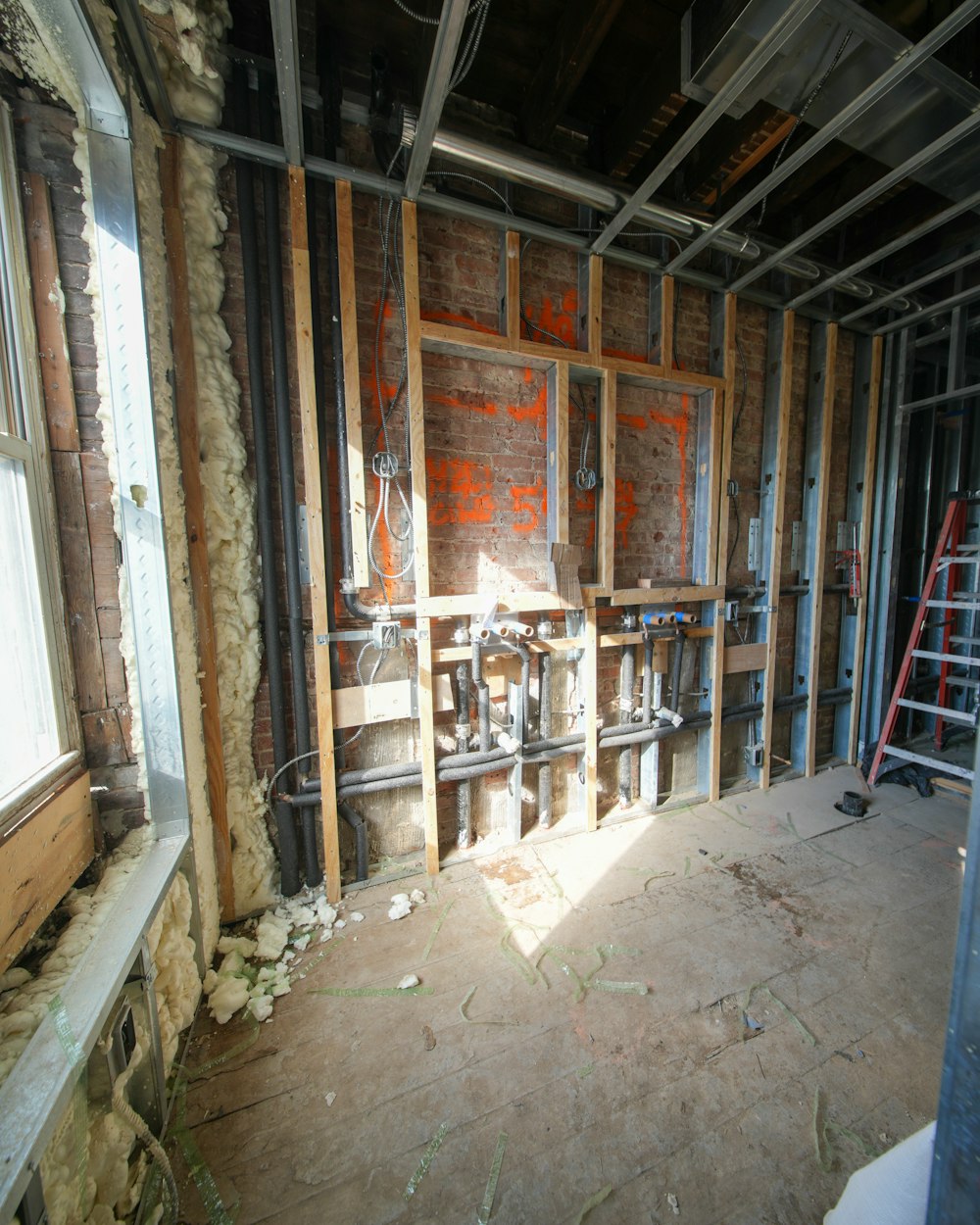
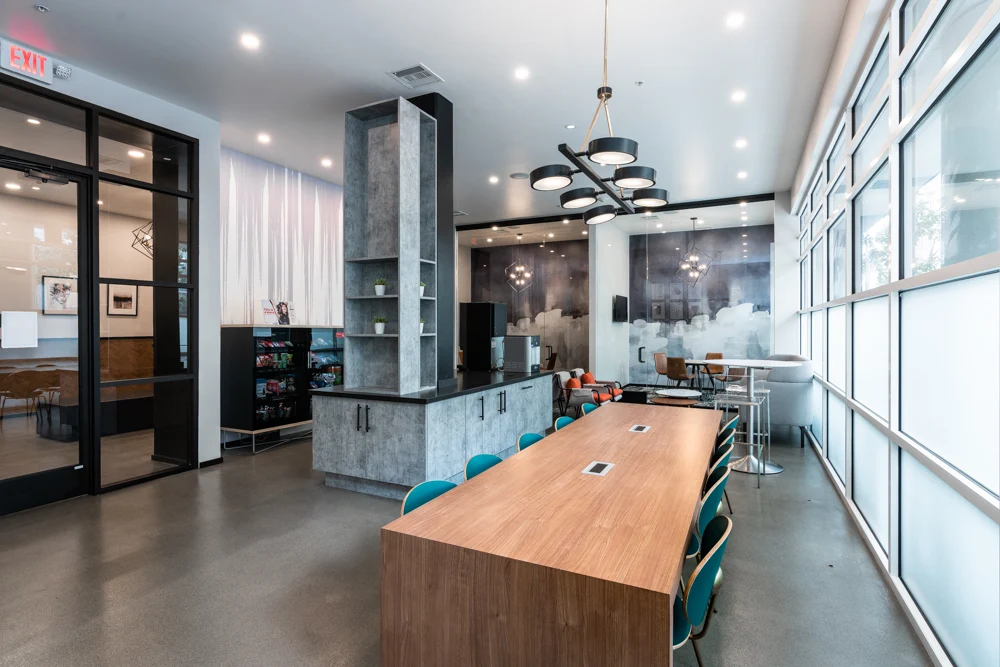
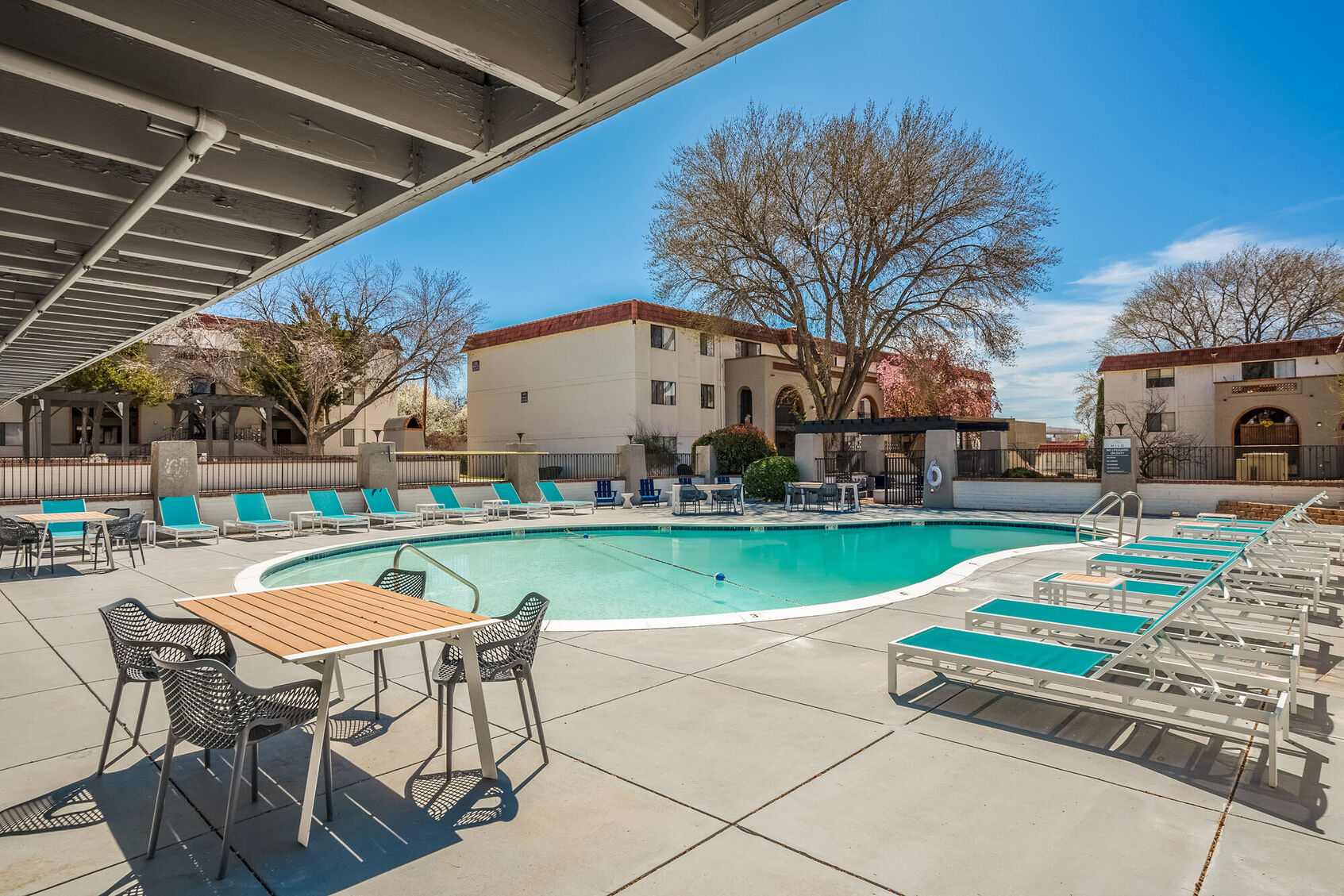 7 scopes
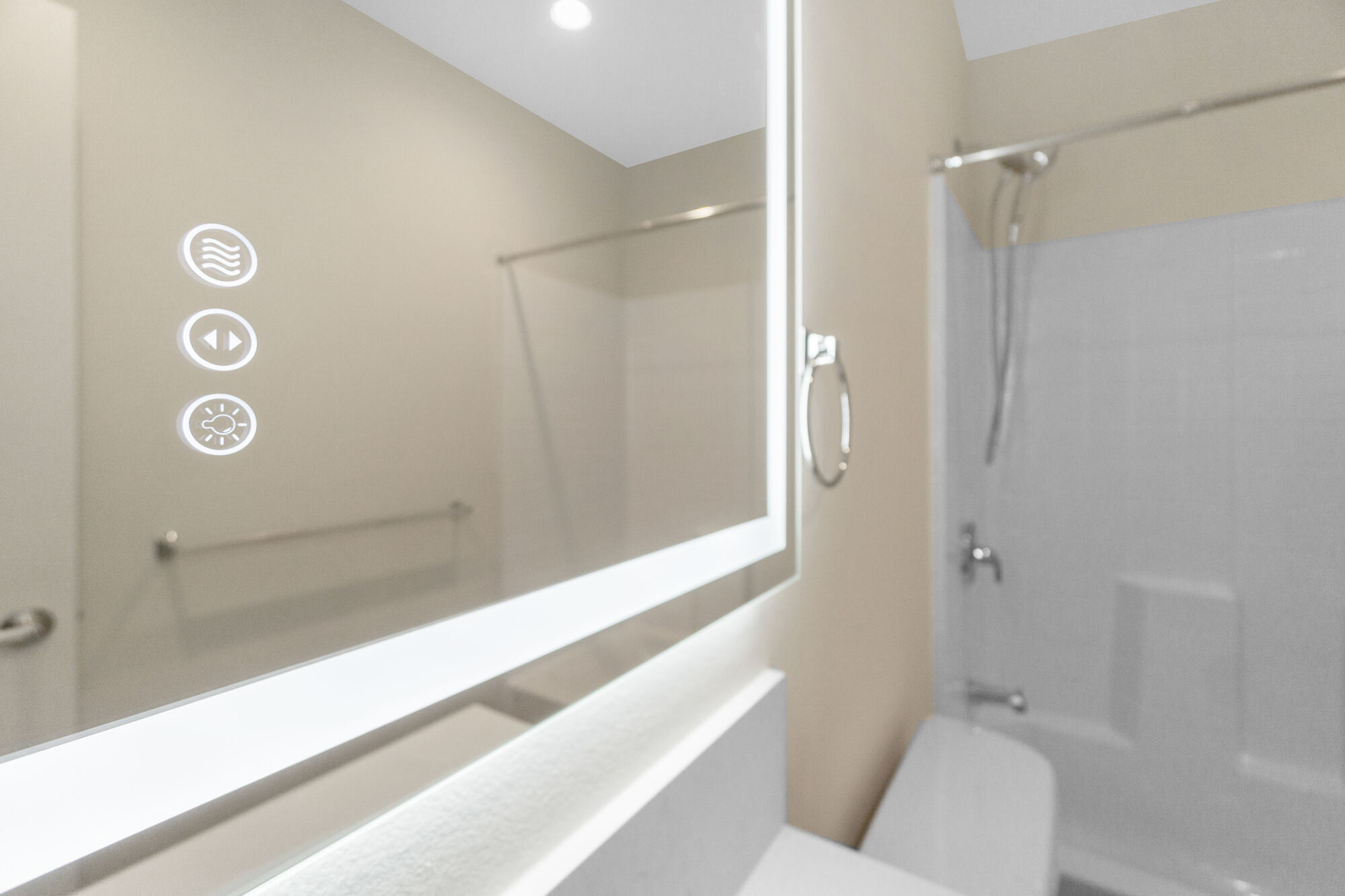 7 scopes
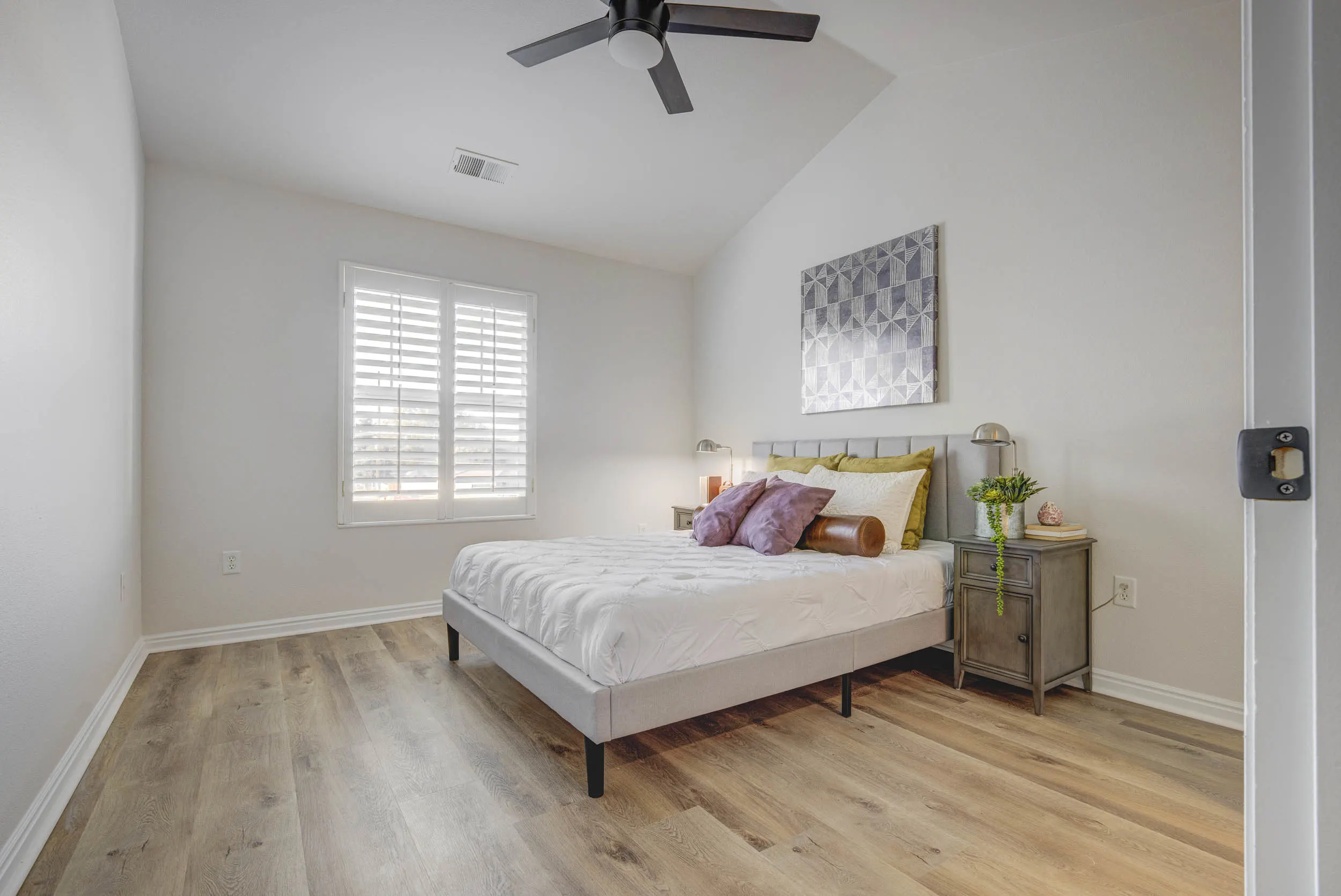 7 scopes
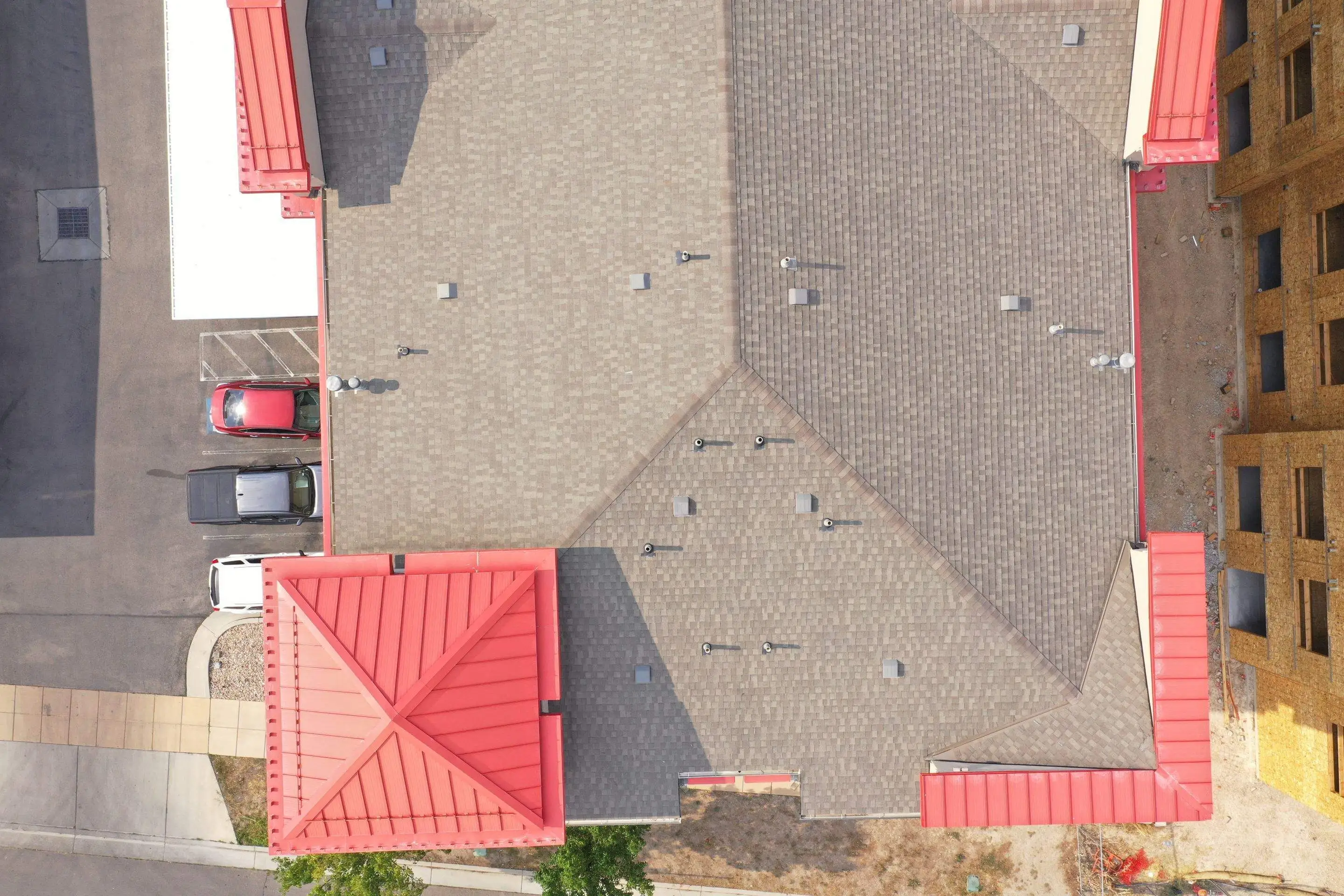 7 scopes
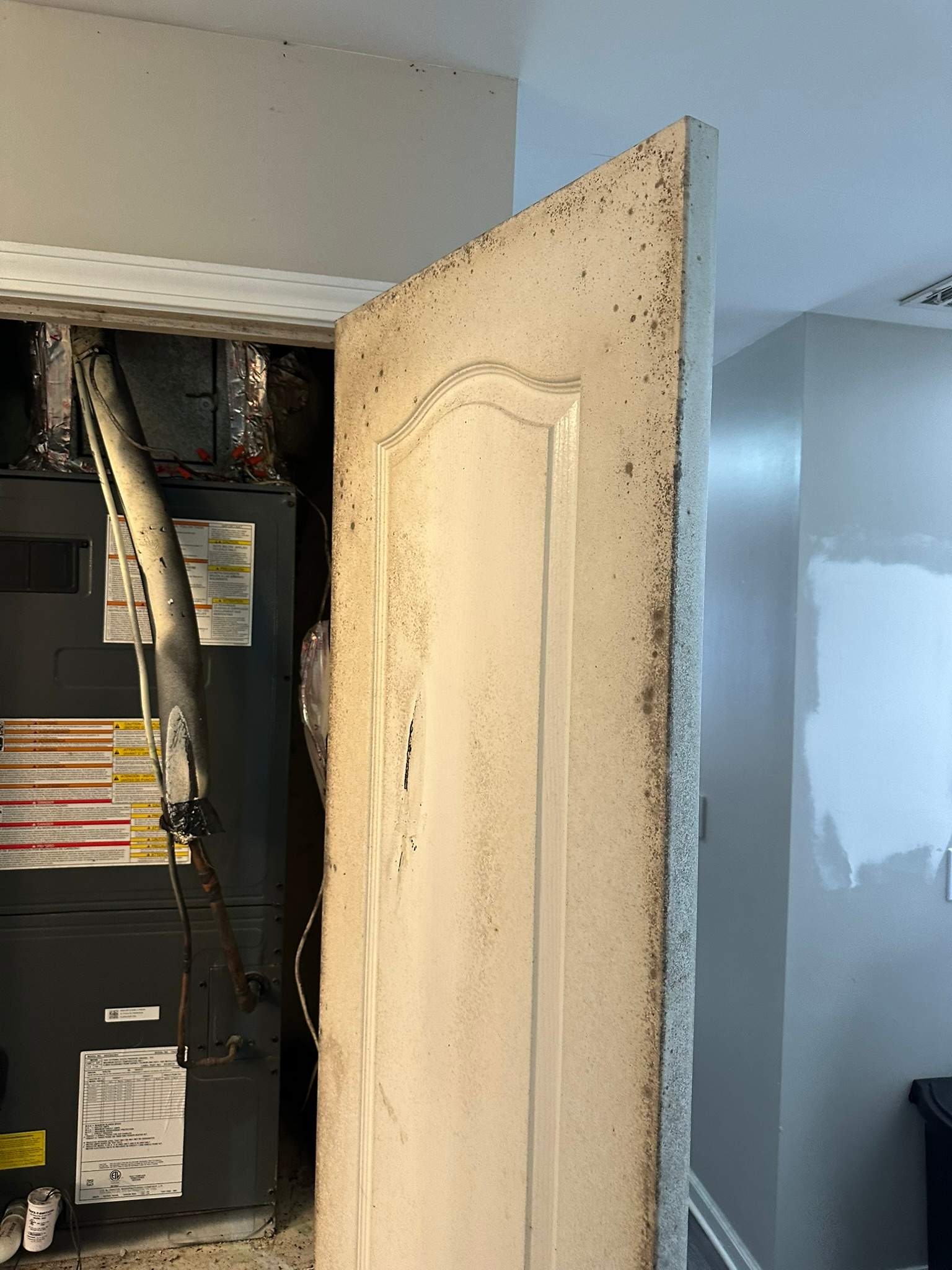 5 scopes
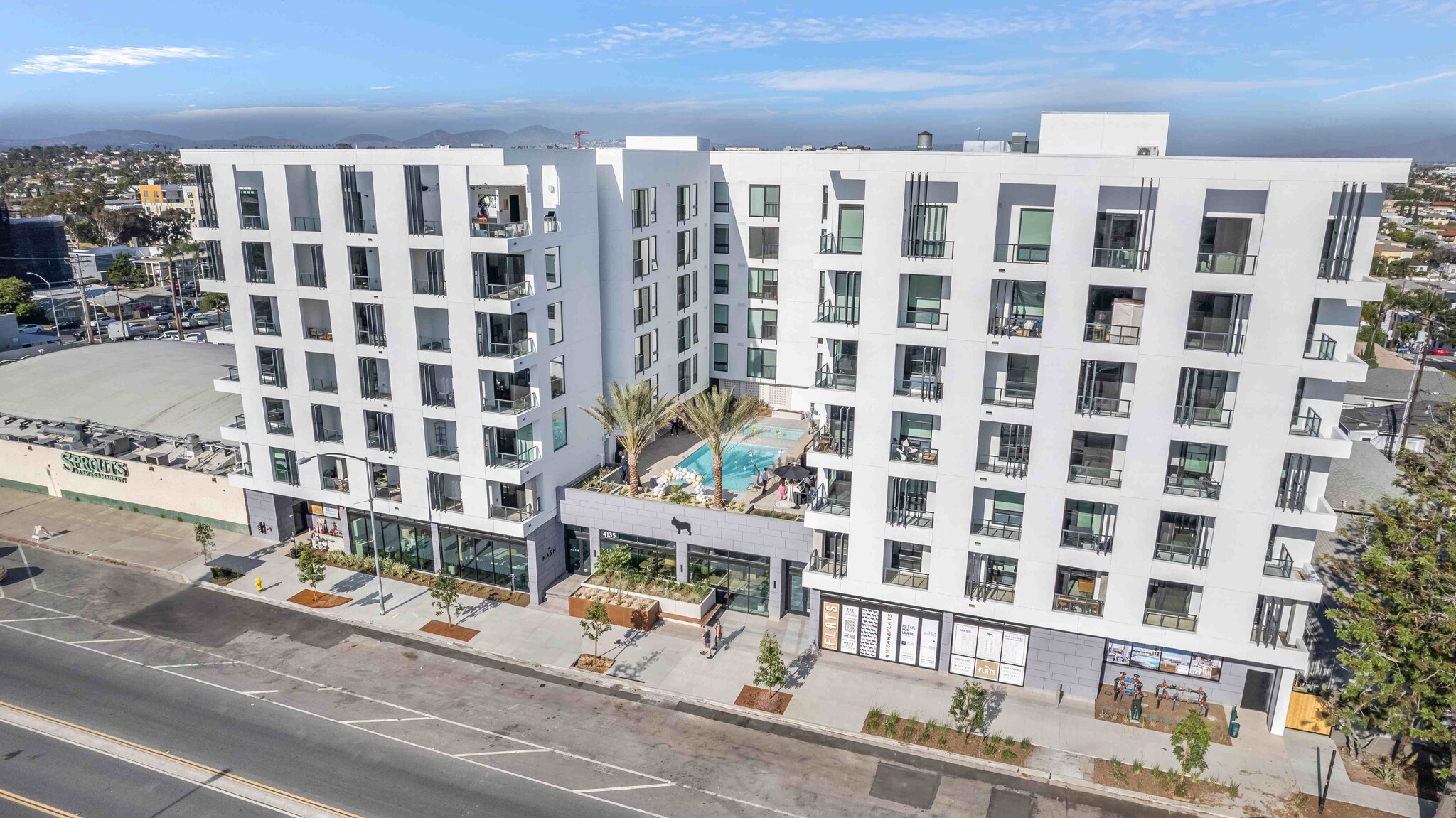 6 scopes
 7 scopes
 7 scopes
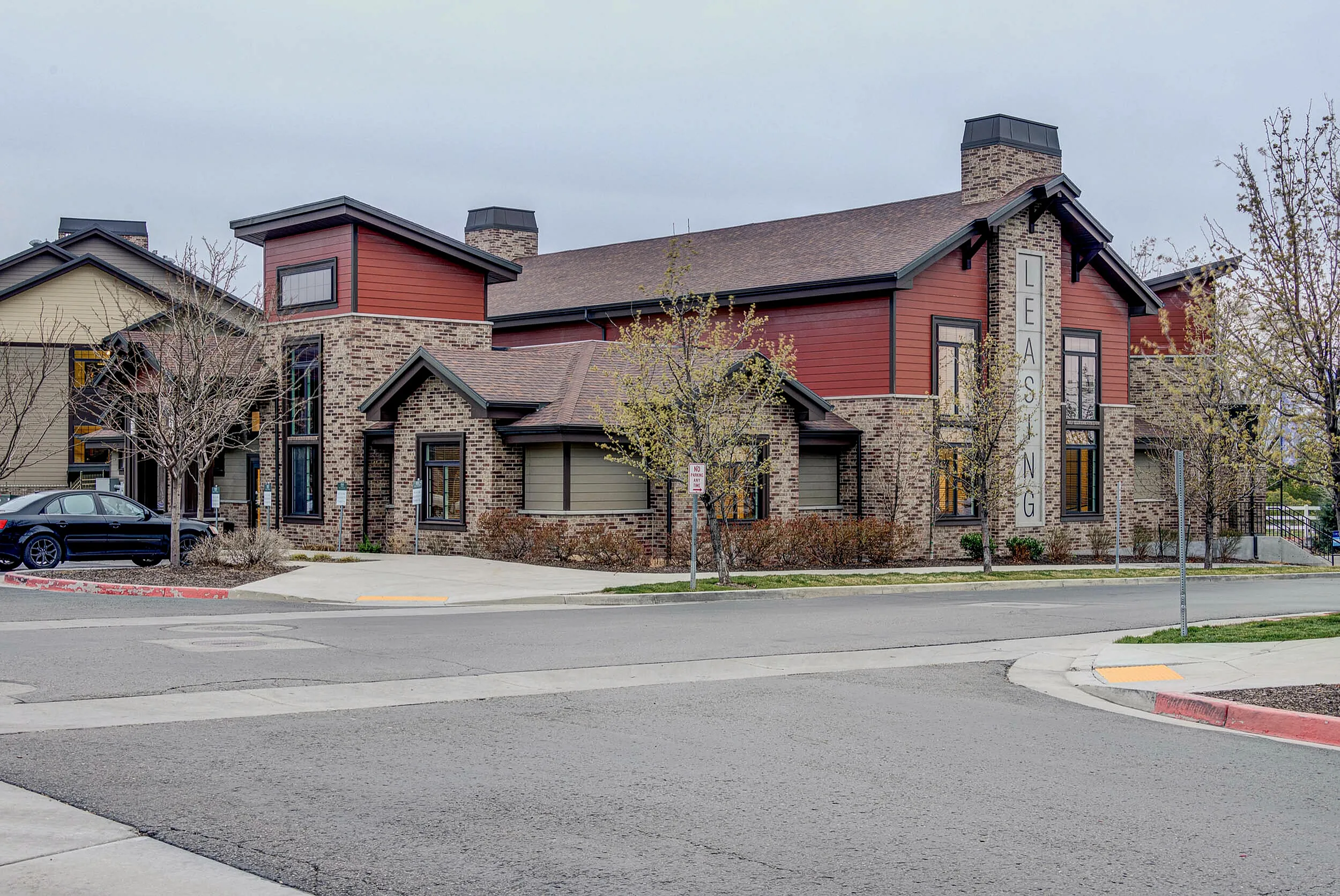
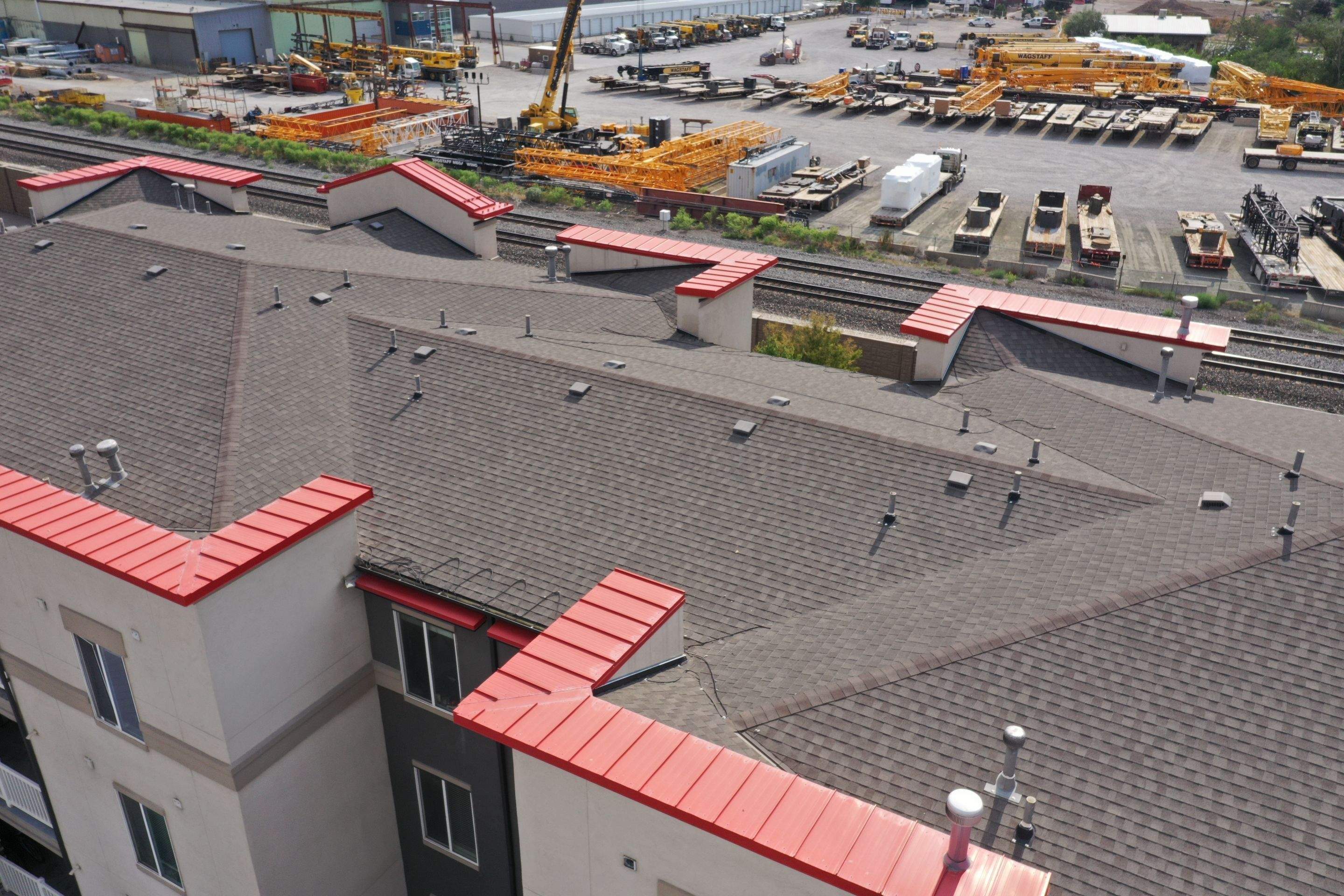

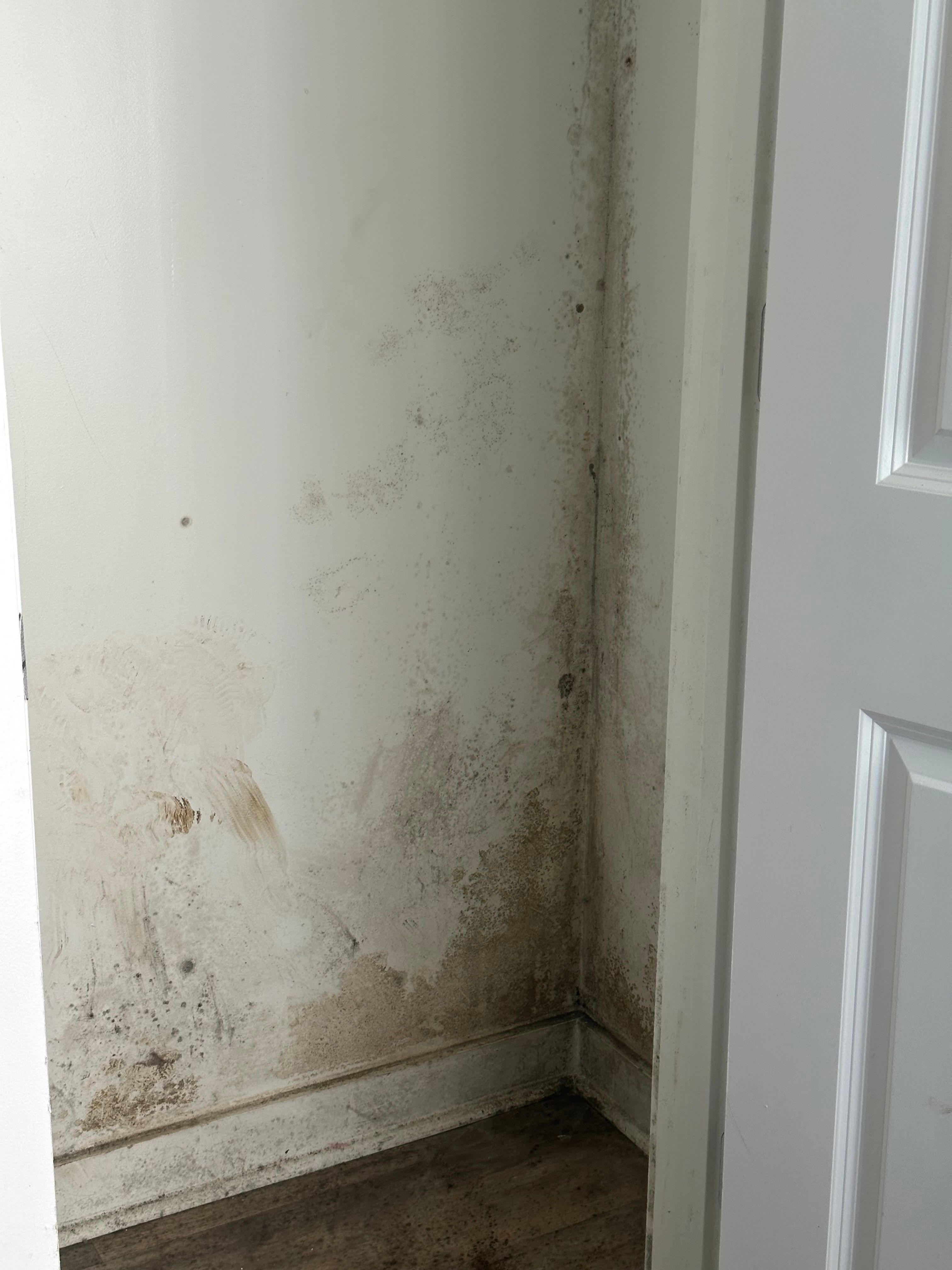
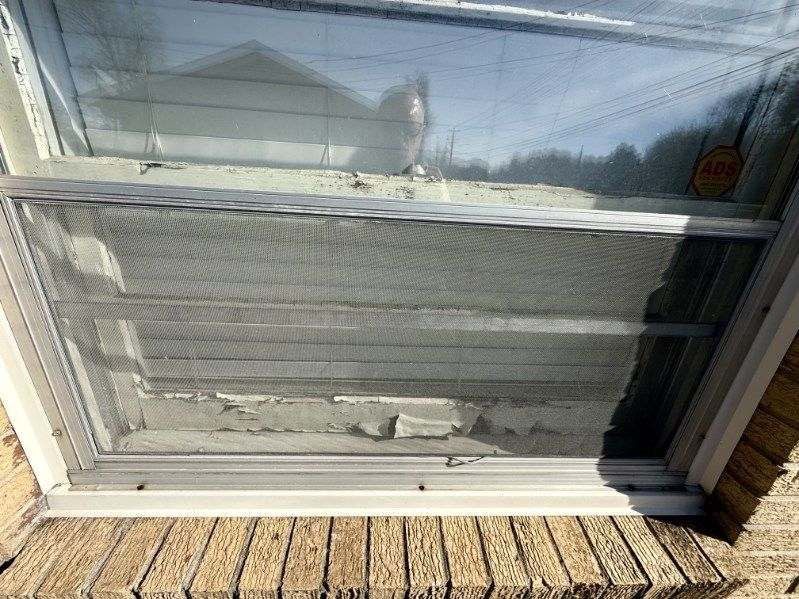










.webp)
%2520(2).jpeg)