Scope detail, duration and references for any project in the portfolio, on request.
Ask usA scoping call with the regional team that would actually run the work.
Book a meeting.jpeg)
New buildings, tenant improvements and the code and accessibility work that shows up in a due-diligence report and has to be closed before a sale.
Ground-up construction builds a new building from the site up. A tenant improvement (TI) is the build-out of an existing space for a new or renewing tenant: walls, ceilings, finishes, electrical and mechanical. Apex delivers both, along with the accessibility and code corrections that surface in due diligence and must be closed before a sale.
Ground-up and tenant improvement work is where preconstruction earns its keep. The decisions that set the budget are made months before anyone breaks ground, and the ones that blow it are usually made in the last two weeks before permit.
We price off drawings early, flag the constructability problems while they are still cheap to fix, and take the permit path seriously as a schedule item rather than an administrative one. In some of our markets permitting is the longest line on the schedule and pretending otherwise is how a project starts late.
Design-assist
Pricing during design, not after
GMP or lump sum
Whichever the deal needs
Buyout
Open-book on request
The line items we carry on a ground-up & ti scope, and what each one actually covers.
Ground-up multifamily and commercial
New construction from foundation through certificate of occupancy.
Tenant improvement and white box
Landlord and tenant-side buildouts on office, retail, medical and industrial space.
ADA and code compliance upgrades
Accessibility, egress and code work, including the items that surface during a sale.
Due-diligence and PCA remediation
Closing the findings in a property condition assessment on the buyer’s or seller’s timeline.
Preconstruction and budgeting
Estimating from schematic through GMP, with assumptions written down and shared.
Permit and entitlement coordination
The permit path built into the schedule at bid time, because in several of our markets it is the schedule.
Four stages, one contract. Nothing here is a handoff to somebody else.
Price during design
Budgets issued at concept, design development and construction documents, so nobody is surprised at bid day.
Buy it out
Trade scopes leveled and awarded with the scope gaps written down, not assumed away.
Build to the schedule
A schedule with real float, updated weekly against what actually happened on site.
Turn it over
Commissioning, closeout documents and warranty walk-through at handover.

Assumptions in writing
Every estimate ships with the assumptions and exclusions that produced it, in an RFI log you can read.
Constructability early
Detail problems raised during design review, when a redline costs nothing and a field change costs a month.
Long-lead equipment
Switchgear, elevators and rooftop units identified and released early, before they become the critical path.
Two contractors can price the same building a long way apart and both be honest about it. These are the variables that explain the gap — worth asking every bidder, not just us.
Site conditions
Soils, utilities and grade drive more ground-up cost variance than the building does.
Entitlement and permitting
What the jurisdiction requires and how long it takes. The schedule risk is usually here, not in the field.
Shell condition
On a tenant improvement, what the landlord actually delivered versus what the lease says they would.
Escalation
How long between pricing and award. We state the escalation assumption rather than absorbing it quietly.

The trades that decide whether this scope holds up are ours. Everything else runs through trade partners we have used in that market before, on our contract and our warranty.
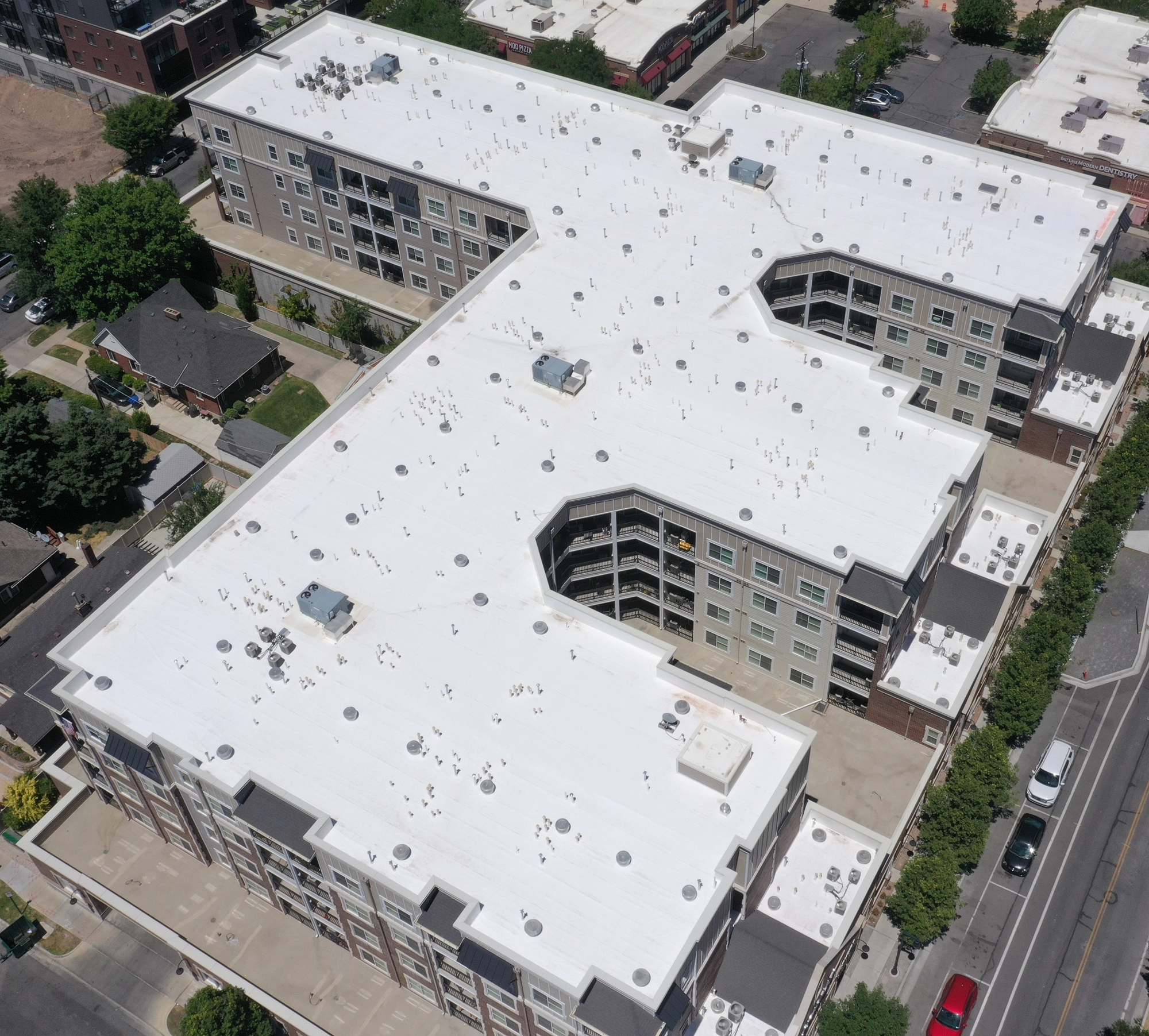
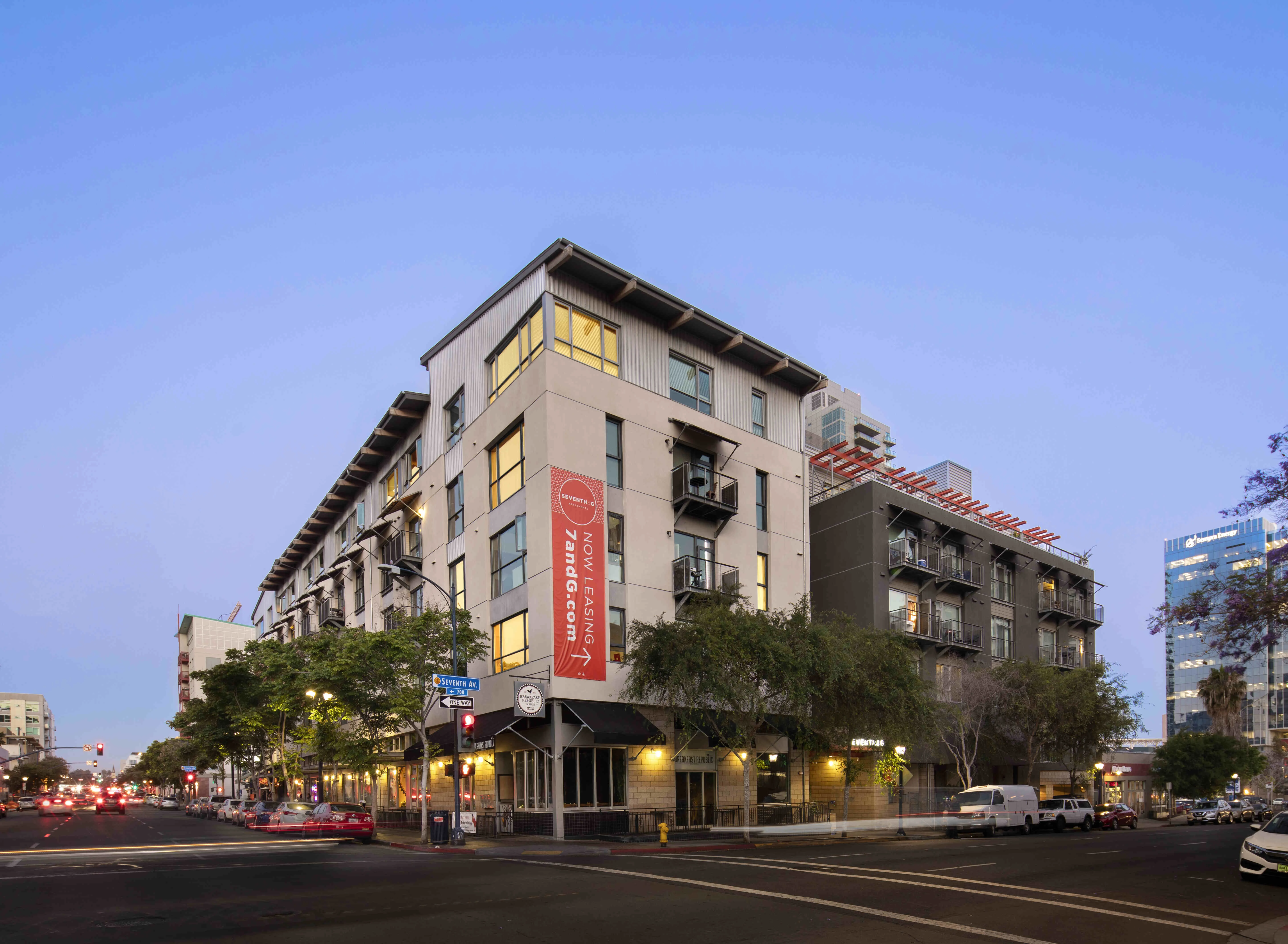
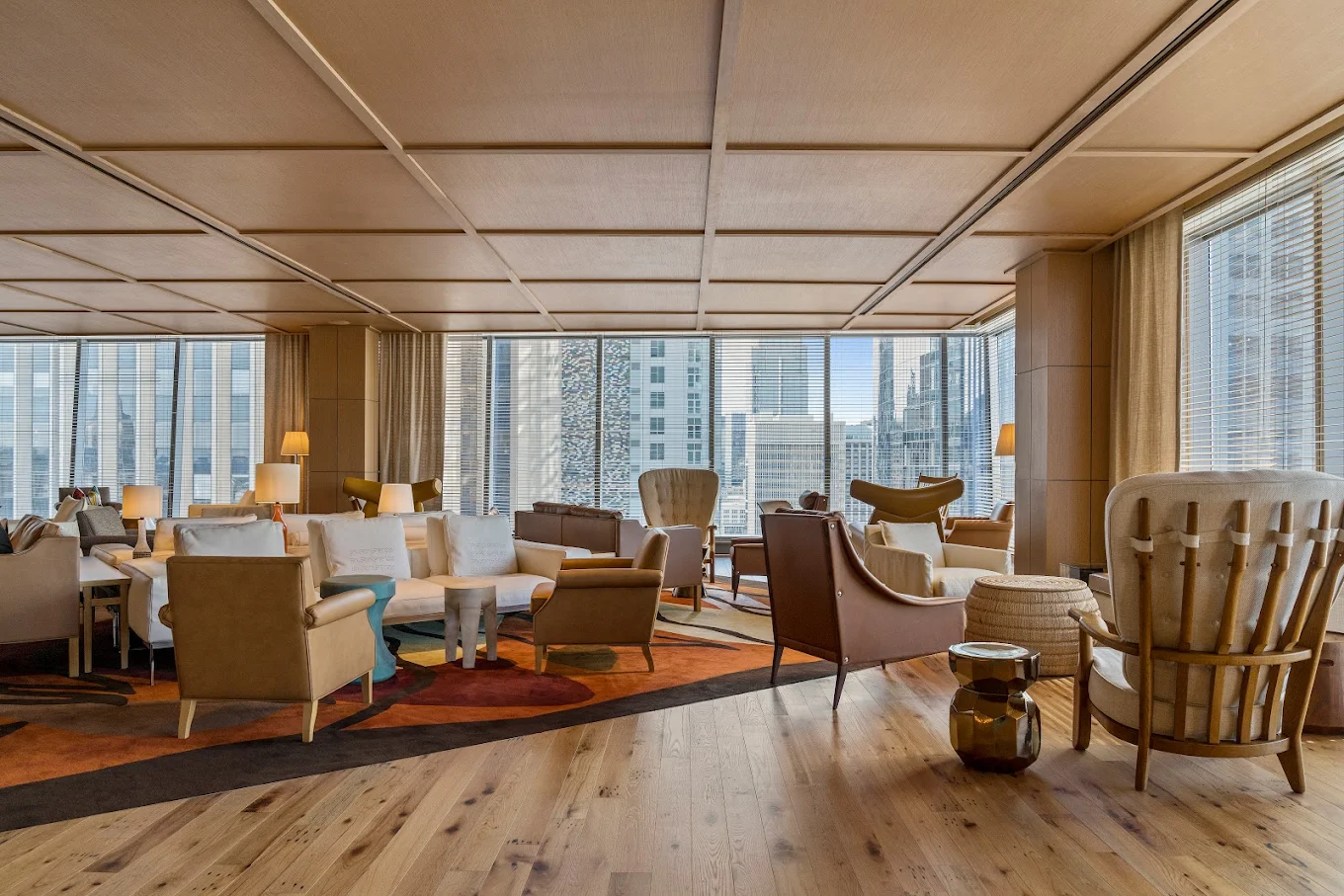
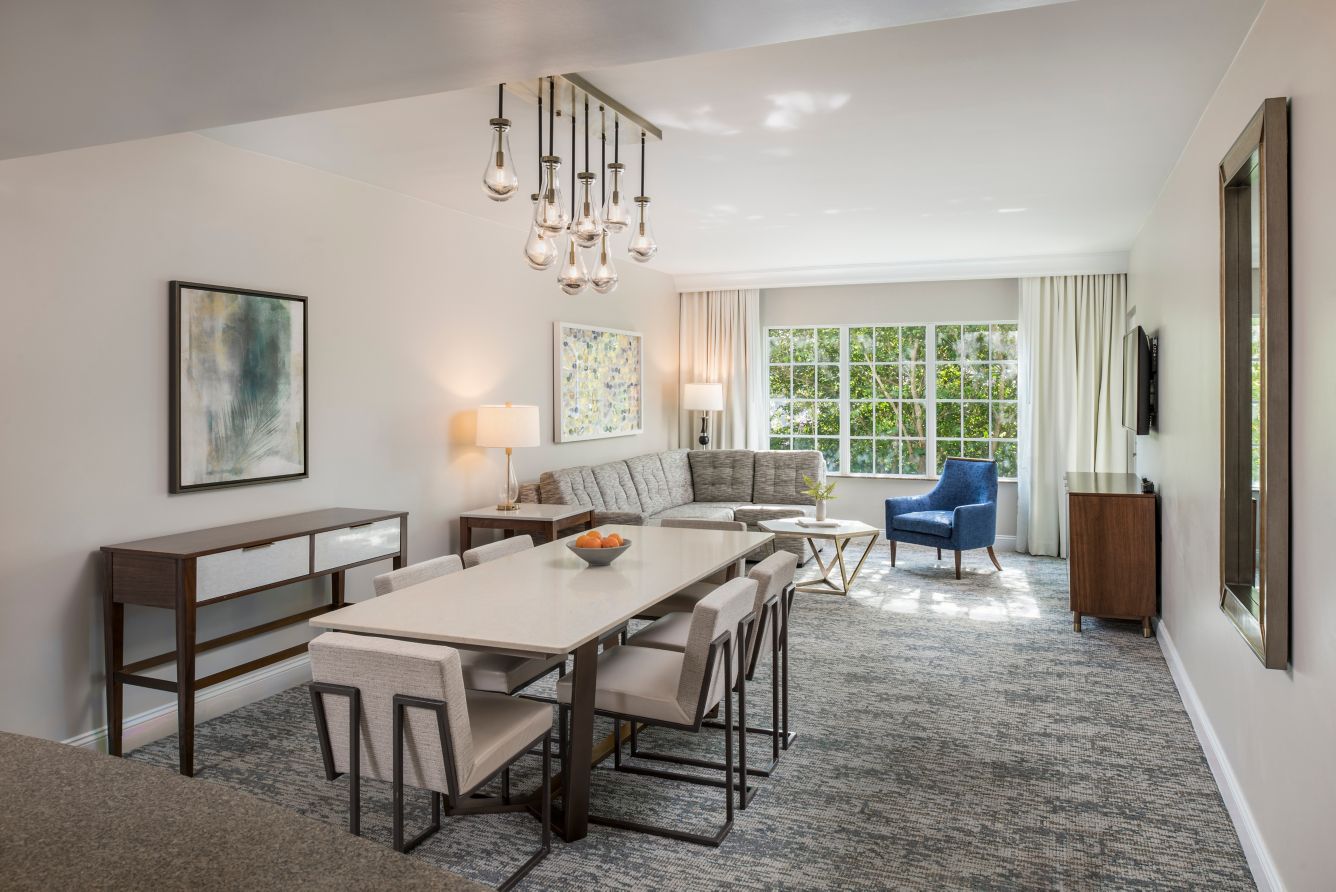
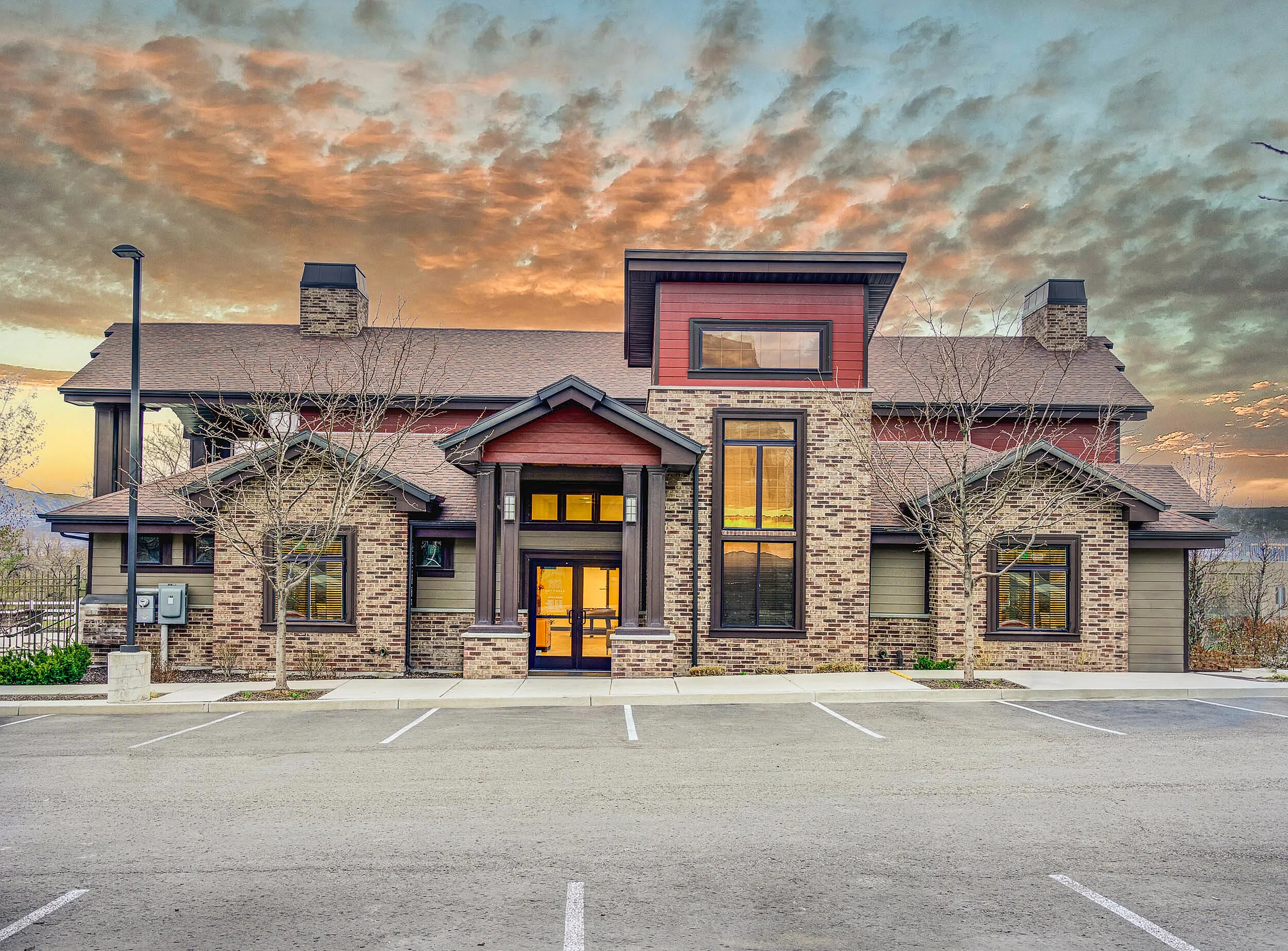
Three projects from the portfolio where this scope was the job, or a large part of it.
What is a tenant improvement (TI) project?
A tenant improvement is construction that customizes interior space for a specific tenant, such as new walls, ceilings, finishes, lighting, and mechanical, electrical and plumbing changes. TI work is typically funded fully or partly by a landlord allowance negotiated in the lease. Apex builds TI projects in occupied commercial buildings and coordinates with building management and neighboring tenants.
Can you price a project from schematic drawings?
Yes. Apex prices from schematic or design-development drawings and states clearly how much of the number is carried as allowance. An early budget with honest allowances is more useful than a precise-looking number that moves later. As drawings develop, allowances are replaced with firm pricing and the changes are tracked line by line.
What code and accessibility work shows up in due diligence?
Property condition and accessibility reports commonly flag accessible routes and parking, restroom and unit accessibility, fire and life-safety deficiencies, and aging systems that no longer meet code. These items often must be corrected before a sale or refinance closes. Apex prices and completes the corrections on a schedule tied to your closing date.
How do you handle permitting delays?
Apex treats the permit path as a scheduled activity with a named owner and a weekly status report. A contractor cannot make a jurisdiction move faster, but it can make sure submissions are complete, comments are answered quickly, and work that does not require the permit keeps moving so the overall schedule loses as little time as possible.
Do you self-perform on ground-up construction?
Partly. Apex self-performs several trades and competitively bids the rest to trade partners it already works with in that market. The whole project still runs under one Apex contract with one schedule and one warranty, and Apex tells you which trades are self-performed before you sign.
Most scopes touch more than one of these. They all run on one contract.

Tell us the asset, the scope and the timeline. We will come back within one business day.