Capital projects delivered in buildings that never stop operating
A full-service general contractor for multifamily, HOA, commercial and industrial owners — envelope, roofing, amenities, interiors and ground-up, on one contract with one warranty.
Drawings, a scope sheet or a reserve study — we come back with a line-item number and every estimating assumption listed in an RFI log attached to the bid.
Your capital plan, priced line by line and built around the people who live there.
Apex prices capital work the way an asset manager has to defend it: a site walk first, then a line-item bid with every assumption written into an RFI log. We self-perform roofing and coatings, run the other trades through prequalified local partners, and phase the work so units keep leasing and residents keep sleeping.
0.47 EMRsafety record against a 1.0 industry average, on occupied properties
5–10 daysFrom the site walk to a line-item bid on a standard scope.
Self-performedOur own crews on roofing and coatings, not a broker’s bench.
One warrantyA single warranty covering the whole scope, not four trade warranties.
What We Build
Nine service lines. Every scope inside them.
The 68 scopes owners most often put on a capital plan, grouped the way we price them. Each line has its own page with what we self-perform and the detail that decides whether the number holds.
Capital work in an occupied, revenue-producing asset is a different job from building on an empty lot. The scope is the easy part. The hard part is delivering it without costing you occupancy, renewals or a single difficult board meeting — which is why our protocol matters as much as our price.
+One contract across every trade, and one warranty at the end
+Scope priced off a walk of your property, not a template applied to it
+A named superintendent on site and a PM who answers the phone
The Protocol
Nobody moves out for this.
Every contractor says they have done occupied work. Almost none of them will tell you, in writing, what that means on a Tuesday afternoon with residents home. Here is ours.
Six rules, handed over at kickoffYour asset team gets this page at the preconstruction meeting and checks it against the weekly report. If we break one, you have something to point at.
01
Notice before boots
Residents get written notice with dates, hours and what changes for them. Your leasing office gets the same sheet so it can answer the question at the desk.
02
Access windows, not all-day intrusions
Unit-entry work runs in defined windows. Nobody waits at home from eight to five for a crew that shows at three.
03
Staging and parking planned first
Dumpsters, lifts, material drops and crew parking are agreed on a site plan before mobilization — not negotiated with an angry resident in week two.
04
The site goes back every night
Walkways clear, debris gone, no exposed fasteners. A property under construction should still show.
05
The tour path stays protected
Leasing route, model unit and amenity access are sequenced around tours and lease-up, because a capital project should not cost you occupancy.
06
One superintendent you can call
A named super on site and a PM who answers. Weekly written reporting to your asset team before they have to ask for it.
How We Work
From the first walk to the warranty letter
Five phases with a named owner at each one, so you always know whose desk the project is sitting on.
Walk the property
Before anything is priced. We walk the asset with your team, document conditions, photograph what is actually there and hand back a phased capital plan you can budget against. No charge and no obligation.
+Property condition assessment
+Phased, priced capital plan
+Every assumption in an RFI log
Build around occupancy
While the property keeps leasing. A named superintendent runs the site to a published occupied-building protocol, with weekly written reporting that reaches your asset team before they ask for it.
+Resident notices and access windows
+Daily site restoration
+Weekly owner reporting
Close it out once
One package, one warranty. Final inspections, punch resolution and a consolidated warranty covering the whole scope rather than four separate trade warranties you have to chase.
+Punch walk with your team
+Closeout package and O&M documents
+One warranty, one number to call
Preconstruction
Start before the budget closes
The most expensive decision on a capital project is made months before anyone swings a hammer — when the number goes into the plan. We would rather be in the room for that one.
+A free property condition walk. We document the asset with your team, at no charge, whether or not you bid the work to us.
+A phased, priced capital plan. Scope broken into phases with pricing against each, so it can be funded over cycles.
+Tied to your budget cycle. Sequenced to the reserve study and fiscal calendar, with alternates priced so the board has real choices.
+Assumptions on the table. Every estimating assumption lands in an RFI log attached to the bid.
The questions that decide most capital awards, answered without the hedging.
What does a commercial general contractor do?
A commercial general contractor manages and builds construction projects on commercial property under one contract. That means pricing the scope, scheduling and supervising trades, securing permits and inspections, managing safety and quality, and delivering the closeout and warranty package. Apex does this for multifamily, HOA, hospitality and commercial owners, usually while the building stays occupied.
What is a capital project on a multifamily property?
A capital project is planned work that replaces or improves a major building component, such as a roof, siding, balconies, parking decks, unit interiors or amenities, rather than routine maintenance. Owners budget capital projects in an annual or multi-year plan. Apex prices and phases this work so it fits the budget year without taking units or amenities offline longer than necessary.
Can you work on a fully occupied property?
Yes, most Apex construction projects happen on occupied buildings. Resident notices, defined access windows, staged sequencing, daily site cleanup and a protected leasing tour path are part of the base scope, not extras. The schedule is built around the property’s operations so leasing, move-ins and daily life continue during the work.
Can one contractor handle a capital plan across several properties?
Yes. Apex runs multi-property capital programs under one master agreement with consistent scope, unit pricing and superintendent standards across the portfolio. Each property is delivered by the local office in its market and reported to the asset team in one format, and the warranty consolidates into one document instead of separate trade warranties.
How do you handle change orders?
Change orders are priced and approved before the work is done, never after. Apex lists every estimating assumption in an RFI log attached to the bid, so conditions that often become change orders elsewhere are surfaced before award. When hidden conditions appear, such as rotted sheathing behind siding, they are priced at unit rates agreed in advance.
Do you self-perform or subcontract construction work?
Both, and Apex identifies which trades are which before you sign. Roofing and coatings are self-performed by Apex crews; other trades come from prequalified local trade partners Apex has already worked with in that market. Everything runs on one Apex contract, one schedule and one warranty, so you are not managing trades separately.
Have a capital plan to price?
Send the property and the scope. We will walk it, price it and hand you the assumptions with the bid.


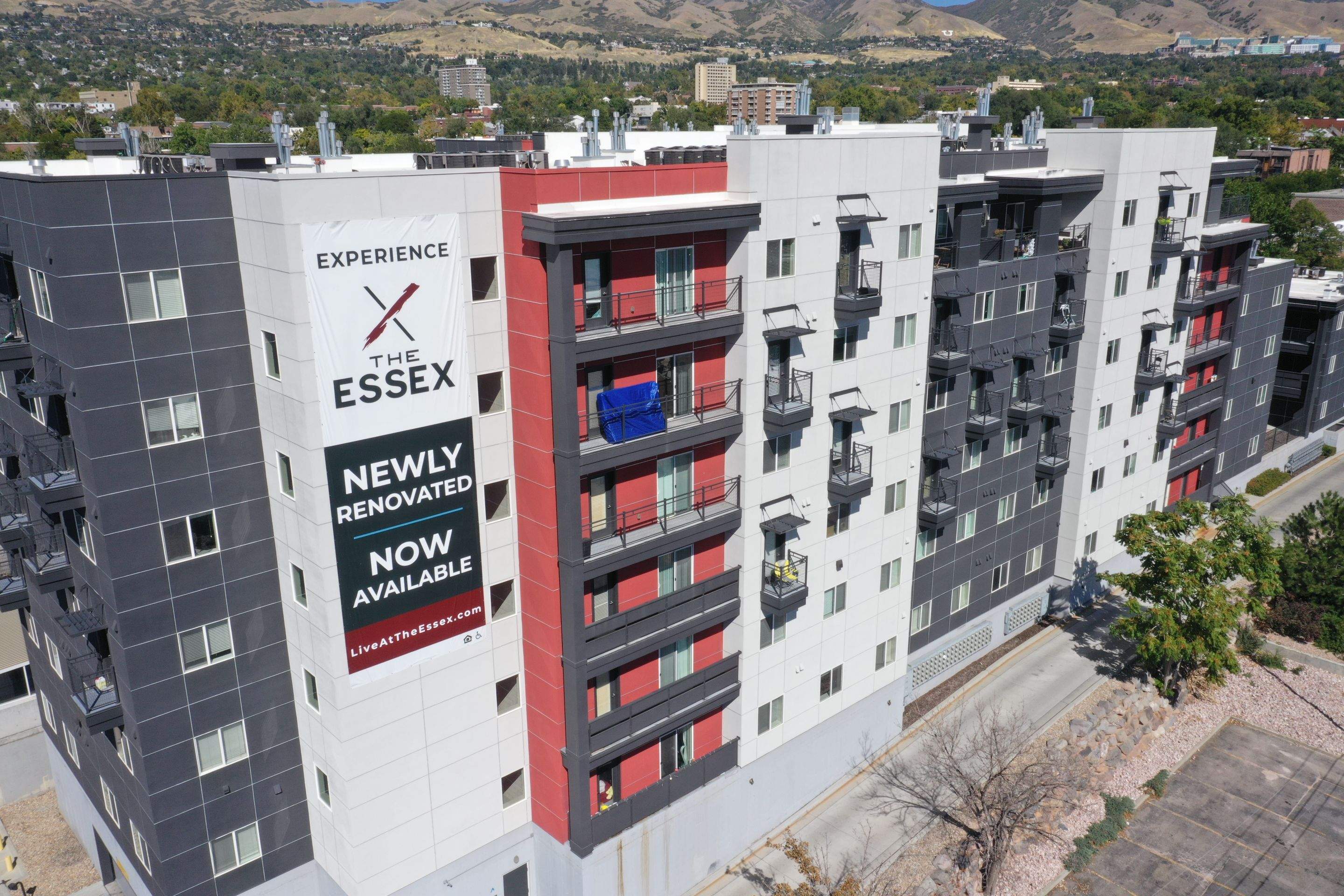 9 scopes
.JPG) 9 scopes
9 scopes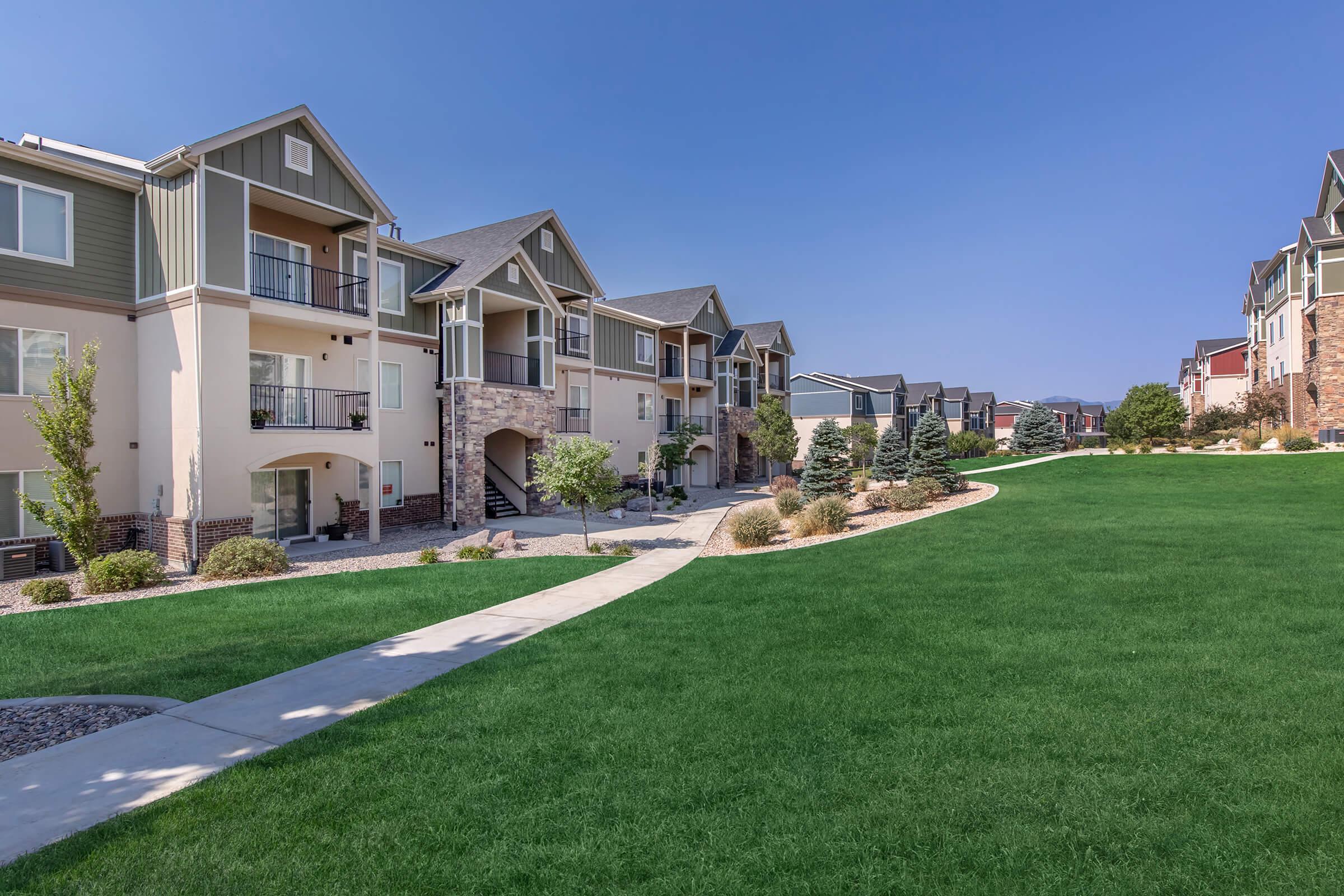 7 scopes
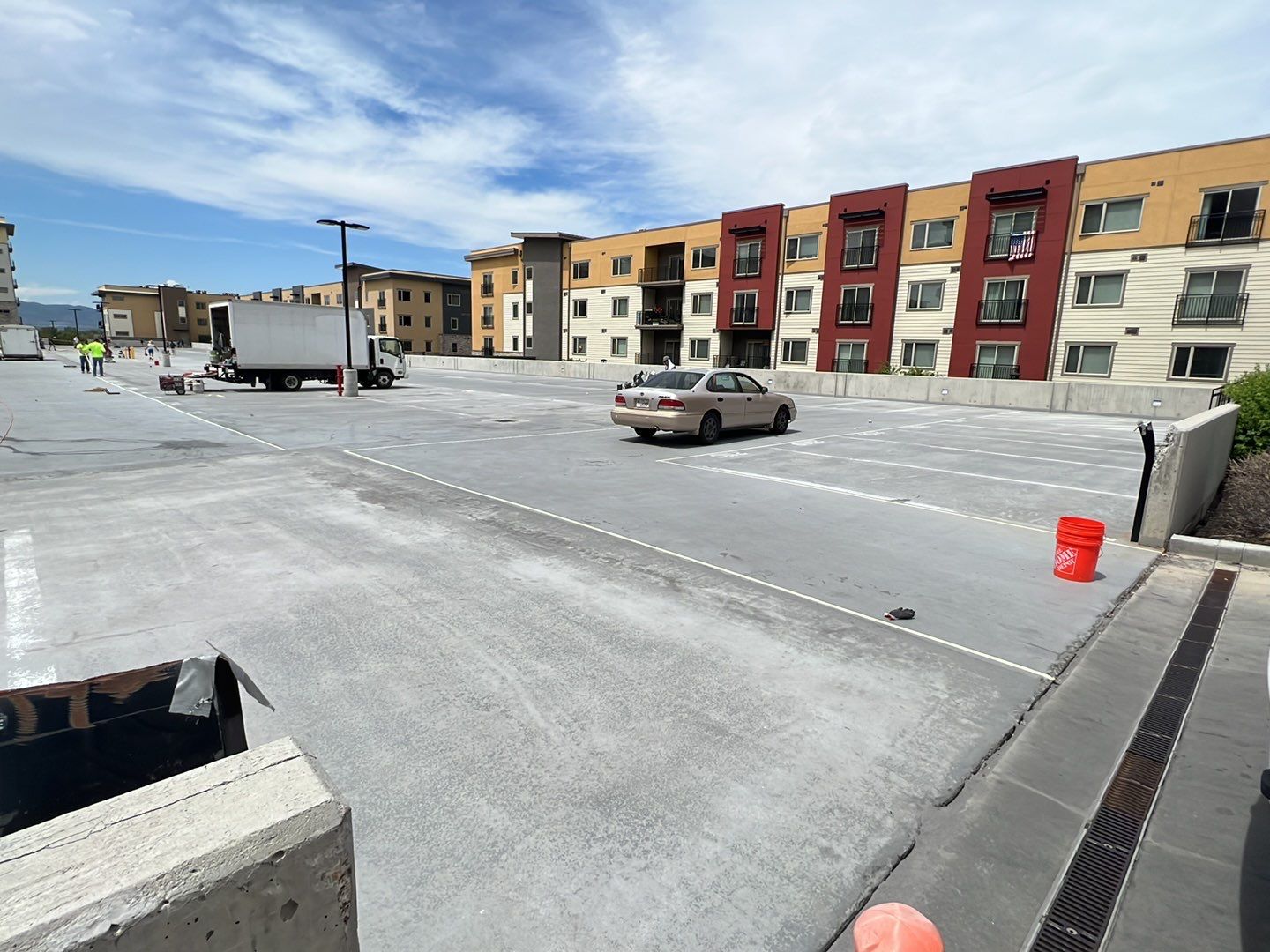 7 scopes
.webp) 8 scopes
8 scopes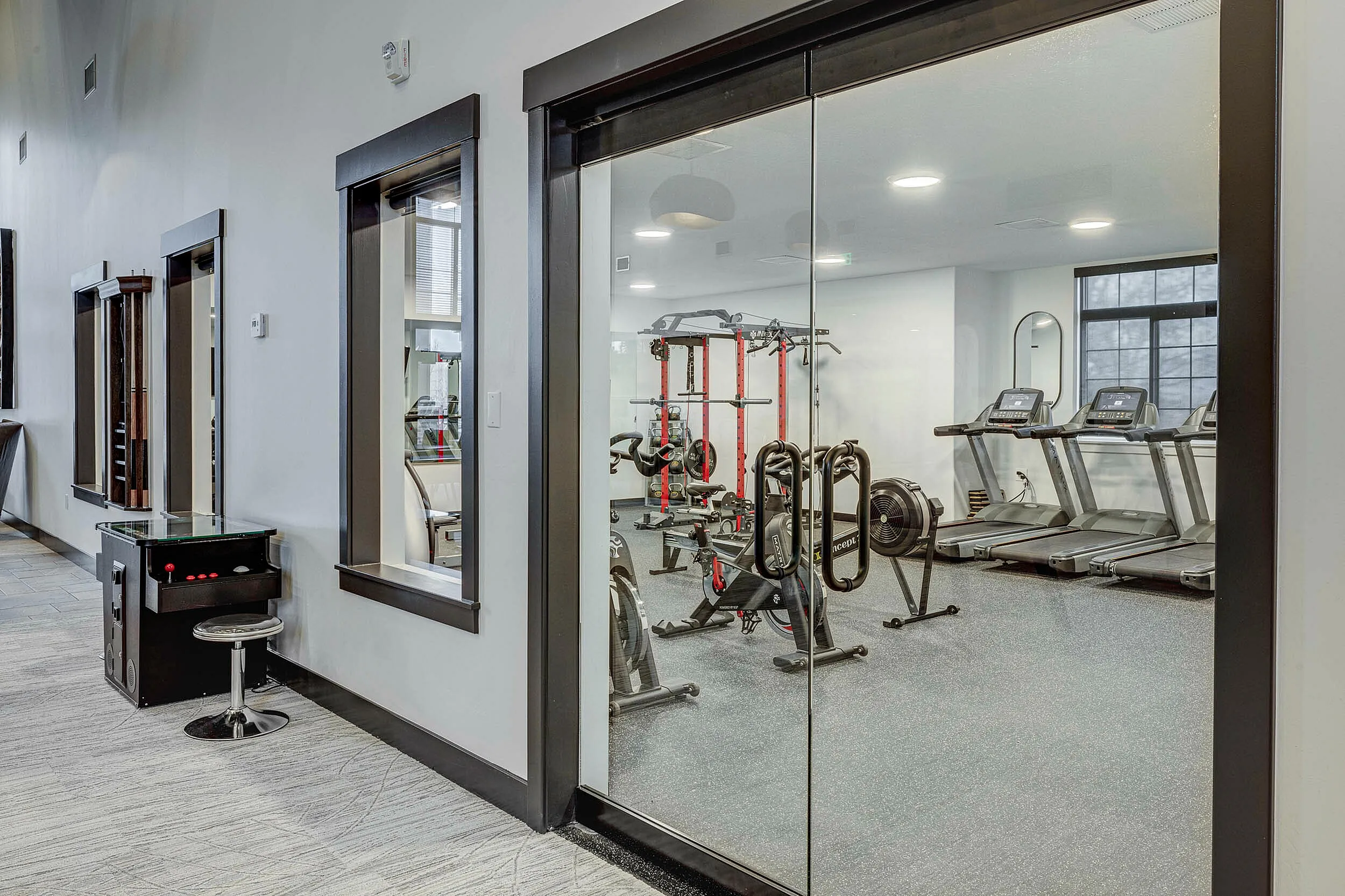 7 scopes
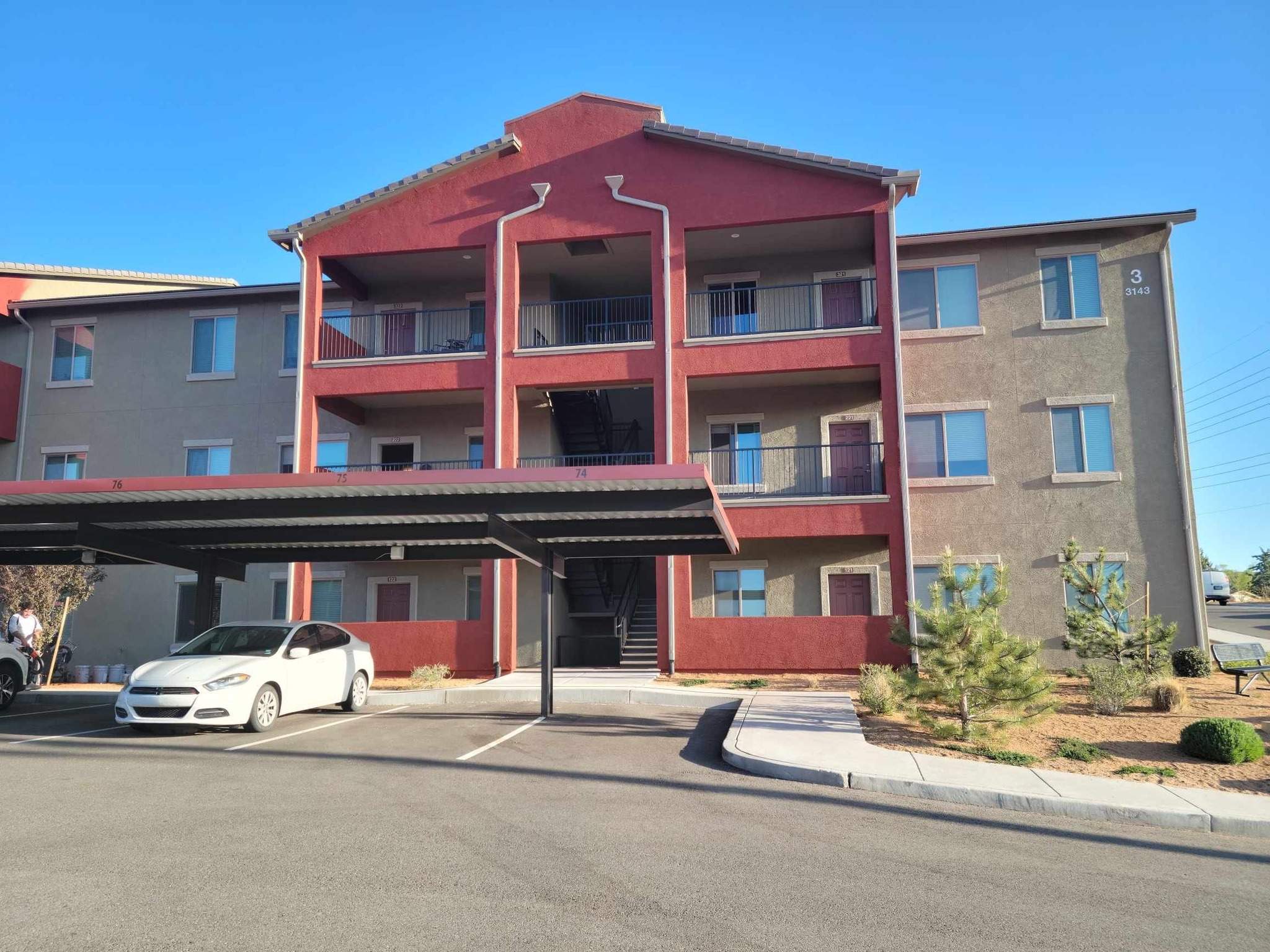 8 scopes
.webp) 7 scopes
7 scopes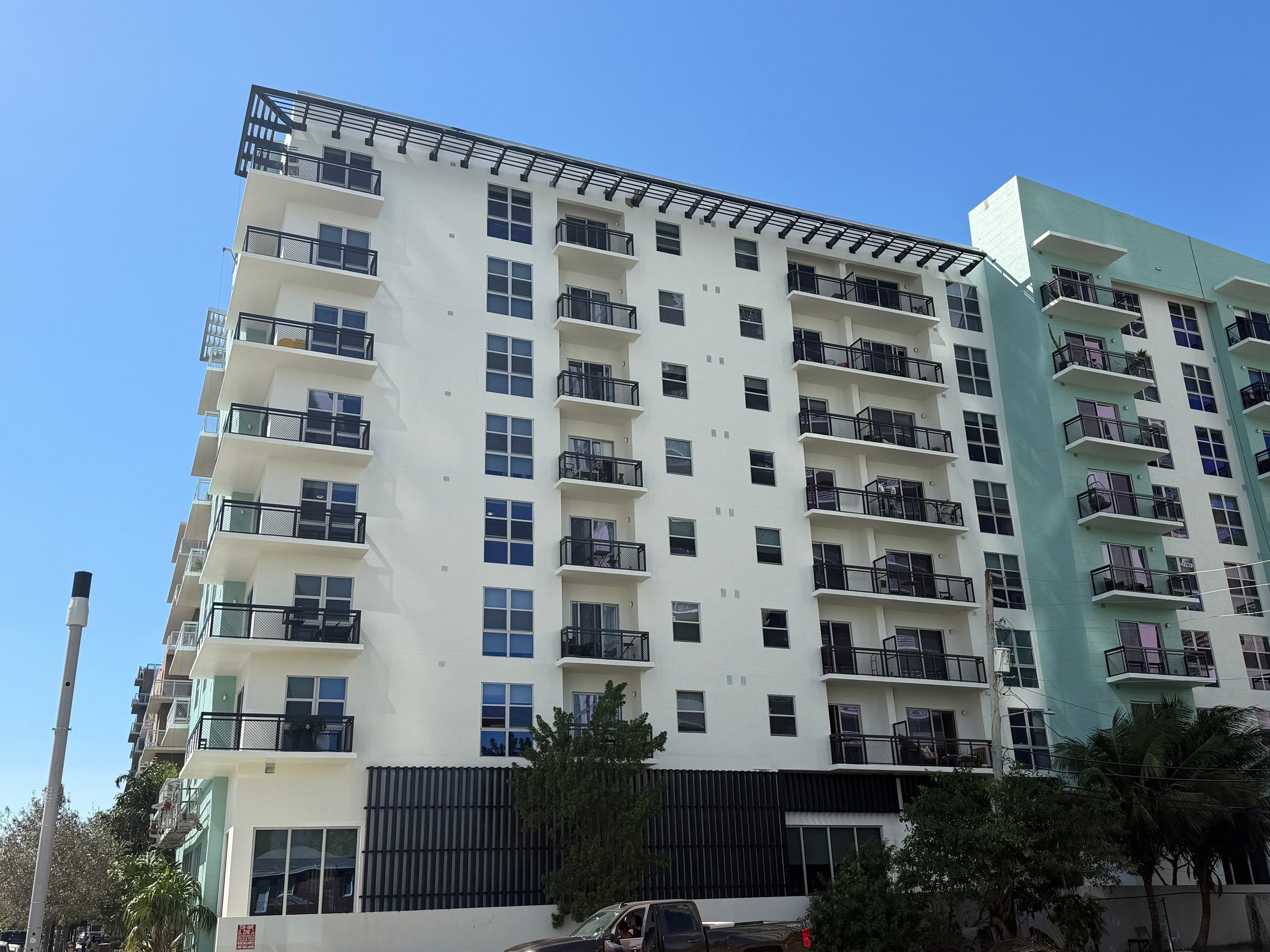 6 scopes
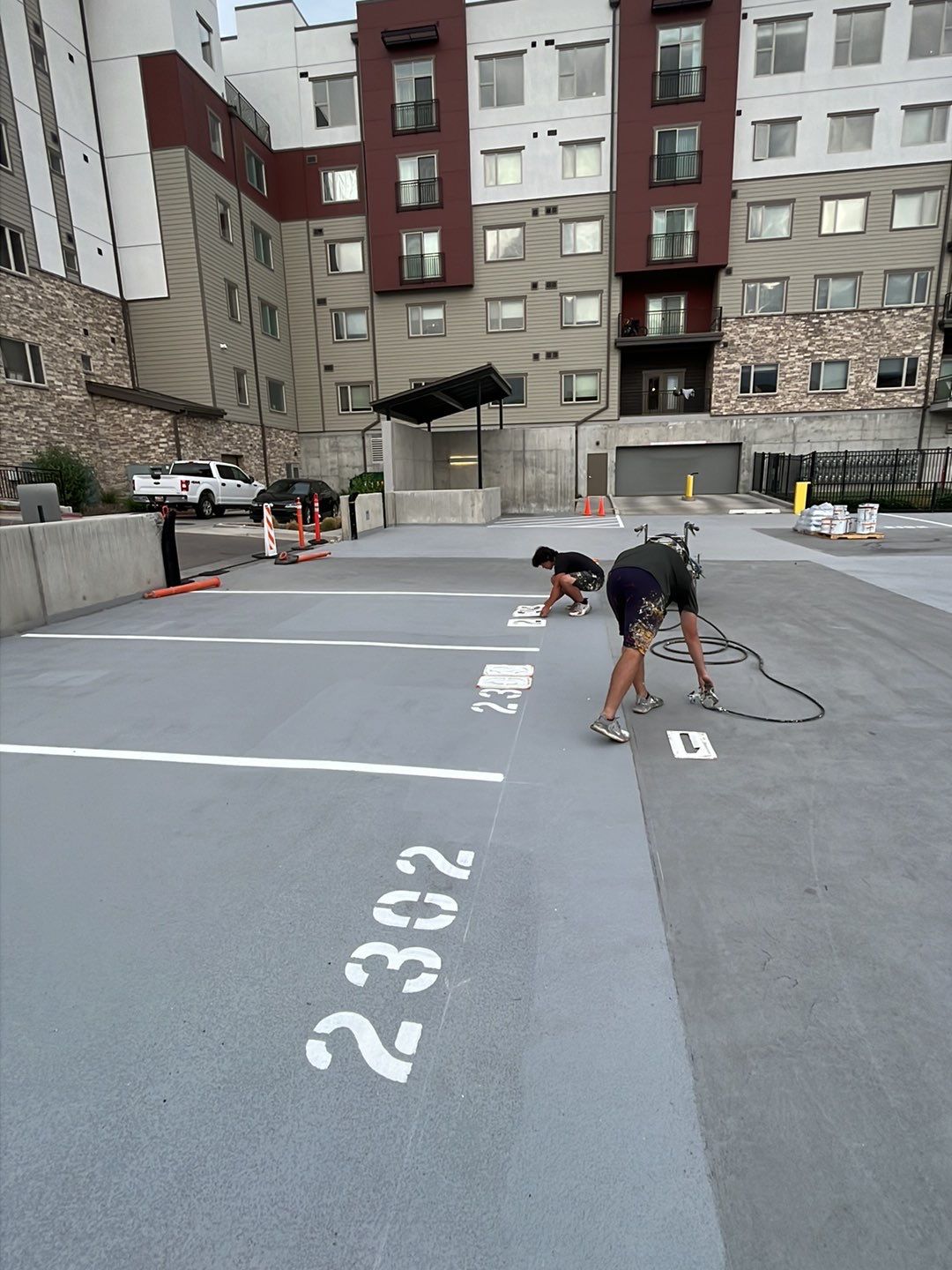
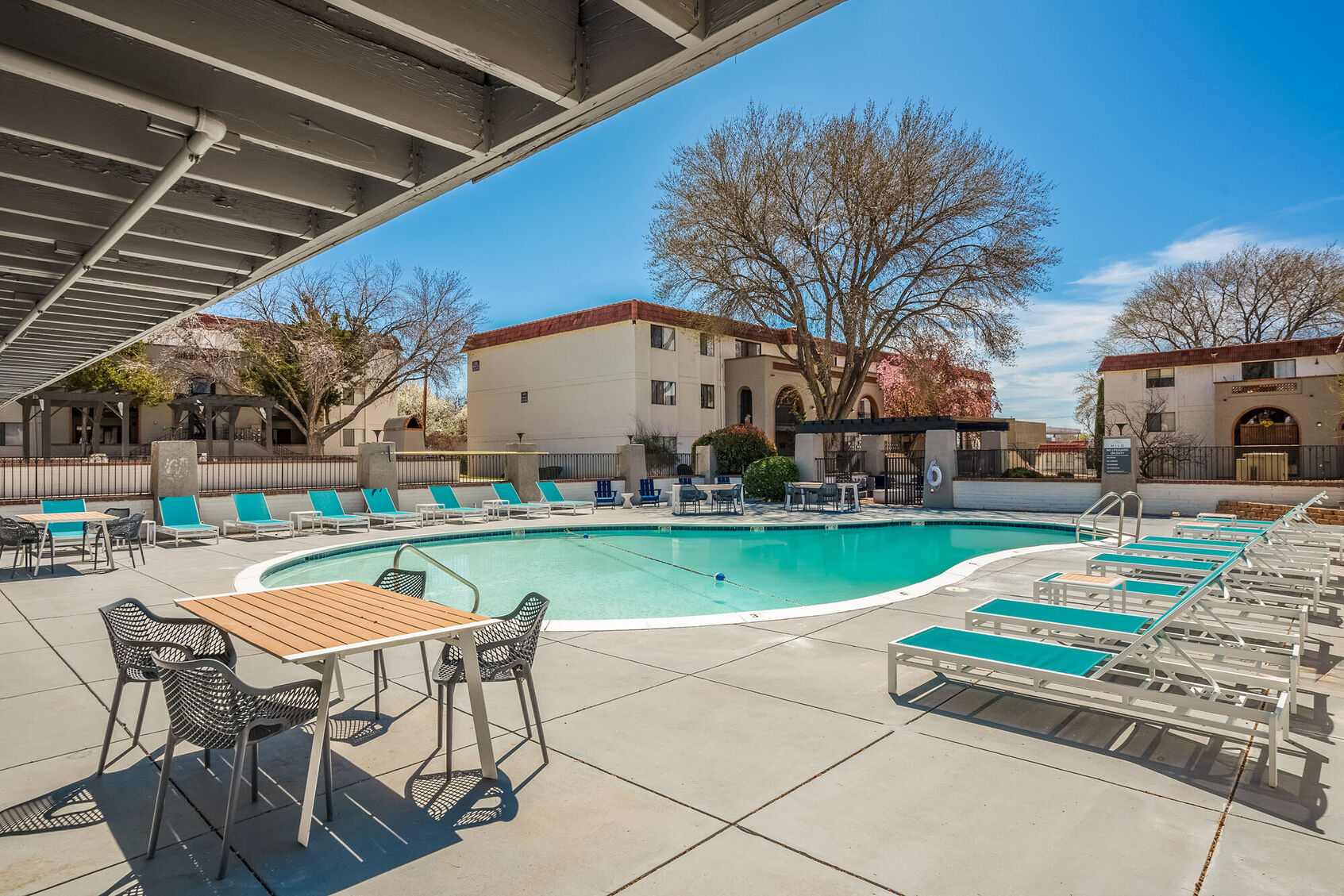
















.webp)