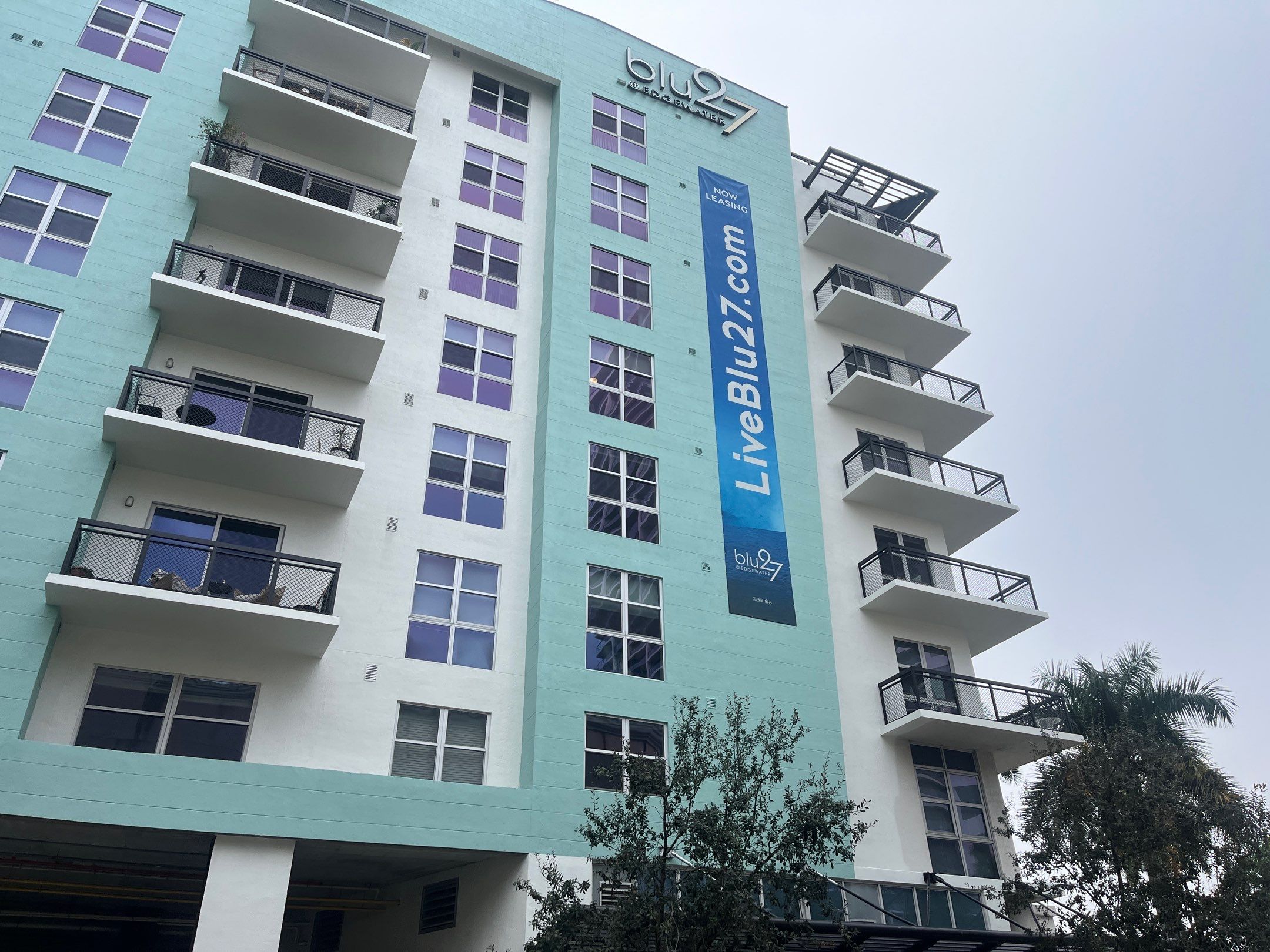
Scope detail, duration and references for any project in the portfolio, on request.
Ask usA scoping call with the regional team that would actually run the work.
Book a meeting
Framing, drywall, flooring, paint, cabinetry and fixtures — phased to get residents back into units as fast as the damage allows.
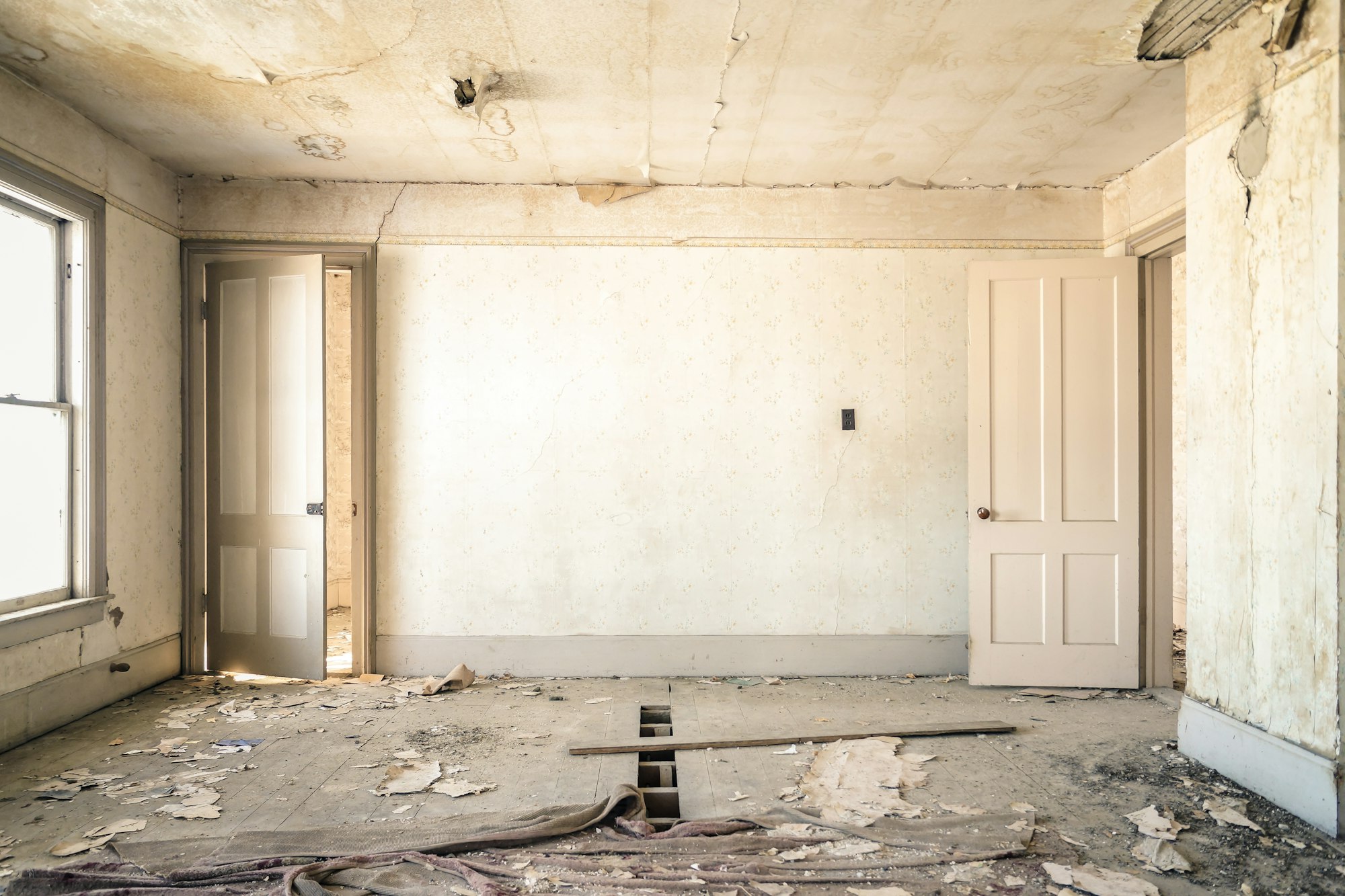
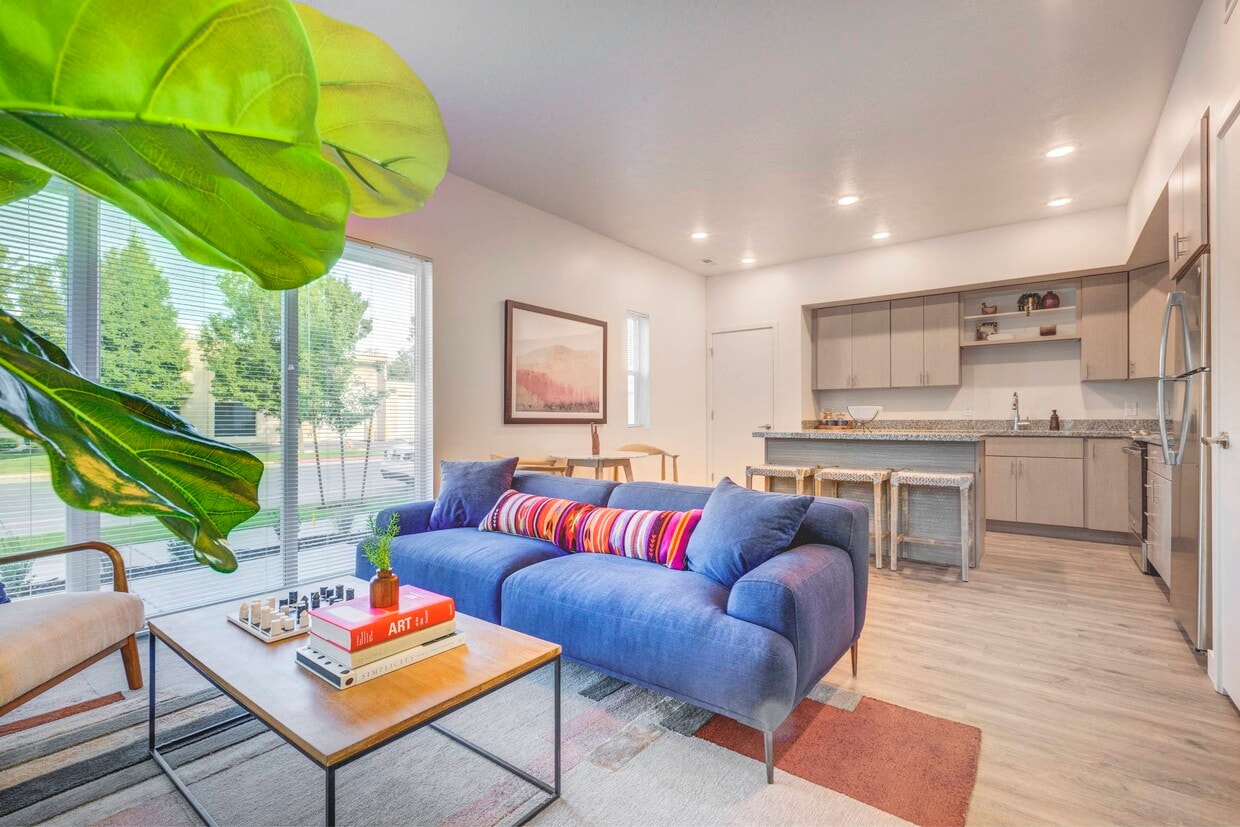
An interior and unit rebuild restores apartments and common areas after water, fire or other damage: framing, insulation, drywall, flooring, paint, cabinetry, fixtures and finishes. Apex phases rebuilds unit by unit on occupied multifamily property, matching existing finishes or the owner's upgrade standard, so residents can move back in as quickly as the damage allows.
The interior rebuild is the phase residents actually experience, and the one that determines how many of them renew. Every week a unit sits is rent, and every week of chaos in an occupied building is a renewal conversation that gets harder.
We phase interior rebuild unit by unit so people get home as fast as the damage allows, with a reoccupancy schedule the site team can actually communicate rather than a finish date that moves every Friday.
2-5 wks
Per unit, run in parallel
Per-door
Punch and sign-off per unit
Released early
As each stack clears
The line items we carry on a interior rebuild scope, and what each one actually covers.
Framing, drywall and finishes
Structure back, then substrate, then finish — each verified before the next covers it.
Cabinetry, fixtures and appliances
Procurement managed against the schedule so lead times do not hold units offline.
MEP restoration
Electrical, plumbing and HVAC restored and inspected before anything is closed up.
Occupied-property phasing
Containment, access and noise managed for the residents who never left.
Unit-by-unit reoccupancy scheduling
A published order of return, updated weekly, that the site team can give residents.
Flooring, paint and trim packages
Matched to the existing property standard, or upgraded on a separate line if you elect to.
Four stages, one contract. Nothing here is a handoff to somebody else.
Scope per door
A scope sheet per unit rather than a blanket allowance, built from the documented damage.
Confirm the finishes
Finish schedule confirmed against the property standard before anything is ordered.
Run stacks in parallel
Crews stacked so the programme runs in parallel and the rent loss is contained.
Punch and release
Each unit punched, signed off and released to leasing as it clears.

A date people can plan around
Reoccupancy dates are published and tracked weekly. A moving date is worse for residents than a later one.
Matching what is there
Finishes matched to the property standard so rebuilt units are not visibly different from the rest.
Inspections before cover
MEP inspected and photographed before drywall, every time, so nothing has to be reopened.
Two contractors can price the same building a long way apart and both be honest about it. These are the variables that explain the gap — worth asking every bidder, not just us.
Unit count and stacking
Eleven units in three stacks runs very differently from eleven scattered across a property.
Finish match
Matching an existing property standard when the product is discontinued is a real cost and a real schedule item.
Code upgrade on rebuild
AFCI, egress and accessibility requirements that did not apply when the building went up.
Owner-elected upgrades
Where ownership takes the opportunity to improve the unit. Priced on separate lines so the claim stays clean.

The trades that decide whether this scope holds up are ours. Everything else runs through trade partners we have used in that market before, on our contract and our warranty.
Three projects from the portfolio where this scope was the job, or a large part of it.
What does an interior rebuild after a loss include?
An interior rebuild restores the inside of affected units and common areas to pre-loss condition: framing, insulation, drywall, flooring, paint, cabinetry, doors, trim, fixtures and the related electrical and plumbing work. Apex phases the rebuild to get residents back into units as quickly as the damage allows, with loss-related and upgrade work tracked separately.
How fast can residents get back into their units?
It depends on the damage, drying and insurance scope agreement, but the order of work is controllable. Apex publishes a reoccupancy schedule building by building, updates it weekly and prioritizes the units that can come back fastest, so the property recovers rent as early as possible.
Can we upgrade finishes during an insurance rebuild?
Yes, and it is often the most economical time to do it. Upgrades are priced and documented on separate lines from loss-related scope, so the claim record stays clean and the owner pays only the difference. Apex confirms the upgrade specification before ordering so long-lead items do not delay reoccupancy.
Who communicates with residents during the rebuild?
Apex does, alongside your site team. Notices, schedules and access coordination are Apex’s responsibility rather than something handed to an already busy leasing office. Residents get advance notice before work affects their unit or shared areas, and the property team receives the same updates.
How is an interior rebuild priced for insurance?
Apex prices the rebuild as a line-item estimate aligned to the documented damage, with quantities, materials and labor listed in the format adjusters review. Code-upgrade and owner-requested upgrade items are listed separately. That lets the adjuster reconcile the estimate quickly and reduces back-and-forth over scope.
Most scopes touch more than one of these. They all run on one contract.
Local reconstruction pages: Salt Lake City · Denver · Dallas · Los Angeles · San Diego · Phoenix · Las Vegas · Albuquerque · Seattle · Boise · Atlanta · Tampa

Tell us the asset, the scope and the timeline. We will come back within one business day.