Scope detail, duration and references for any project in the portfolio, on request.
Ask usA scoping call with the regional team that would actually run the work.
Book a meeting
Emergency stabilization first, then roofing, envelope and site repairs. When a regional event hits, pre-registered properties go to the front of the queue.
Storm, wind and hail damage repair restores roofs, siding, windows, gutters and site elements after a severe weather event. The work starts with emergency stabilization and a documented damage assessment, then moves to the claim estimate and the permanent repairs. Apex self-performs roofing and handles the full scope on multifamily, HOA and commercial property.
Storm work has a queue problem. When a regional event hits, every contractor in the market is suddenly oversubscribed and the properties that get help first are the ones the contractor already knows.
Pre-registering a portfolio takes an afternoon: property list, contacts, site details, access. It costs nothing and it is the difference between crews on your roofs on day two and a call-back on day nine.
Pre-registered
Priority dispatch in an event
Test squares
Hail documented slope by slope
Dry-in first
Across every building
The line items we carry on a storm & wind scope, and what each one actually covers.
Emergency board-up and tarping
Immediate stabilization to stop the loss growing while the claim is still being opened.
Roof and envelope replacement
Permanent repair through our own roofing crews rather than whoever is available after an event.
Hail and wind damage assessment
Documented assessment with test squares and photographs the adjuster can work from.
Site, fencing and amenity repair
Trees, fencing, carports, signage and the rest of the damage that is not on the building.
Portfolio pre-registration
Properties and contacts on file before the season, so response does not start with data entry.
Multi-property event management
One point of contact across a whole portfolio hit by the same event.
Four stages, one contract. Nothing here is a handoff to somebody else.
Stabilise and dry in
Tarping and board-up first across every building, before any finish work starts anywhere.
Document the damage
Test squares, slope-by-slope hail counts and pre-event aerial comparison, captured for the claim.
Price the scope
Line-item estimate with code upgrade and owner-elected work on separate lines.
Rebuild in bid order
Buildings sequenced by exposure, so the ones still at risk go first.
.jpeg)
Documentation before repair
Damage is documented before anything is touched. A repaired roof with no record is a hard claim to settle.
Temporary versus permanent
Tarping is a stopgap with a shelf life. Permanent scope is priced while the tarp is going on, not weeks later.
Crew capacity, honestly stated
If we cannot get to you in a stated window, we will say so on the call rather than hold your place and miss it.
Two contractors can price the same building a long way apart and both be honest about it. These are the variables that explain the gap — worth asking every bidder, not just us.
Event severity and scope
A wind event takes edges and ridges. A hail event takes whole slopes. The inspection determines which, not the forecast.
Market capacity
After a regional event, every contractor and every adjuster in the market is busy. Pre-registered properties move first.
Secondary water damage
What came in through the opening while the building was waiting. Often larger than the roof scope itself.
Code upgrade
Current code for underlayment, fastening and edge metal is usually a step up from what blew off. Broken out separately.

The trades that decide whether this scope holds up are ours. Everything else runs through trade partners we have used in that market before, on our contract and our warranty.
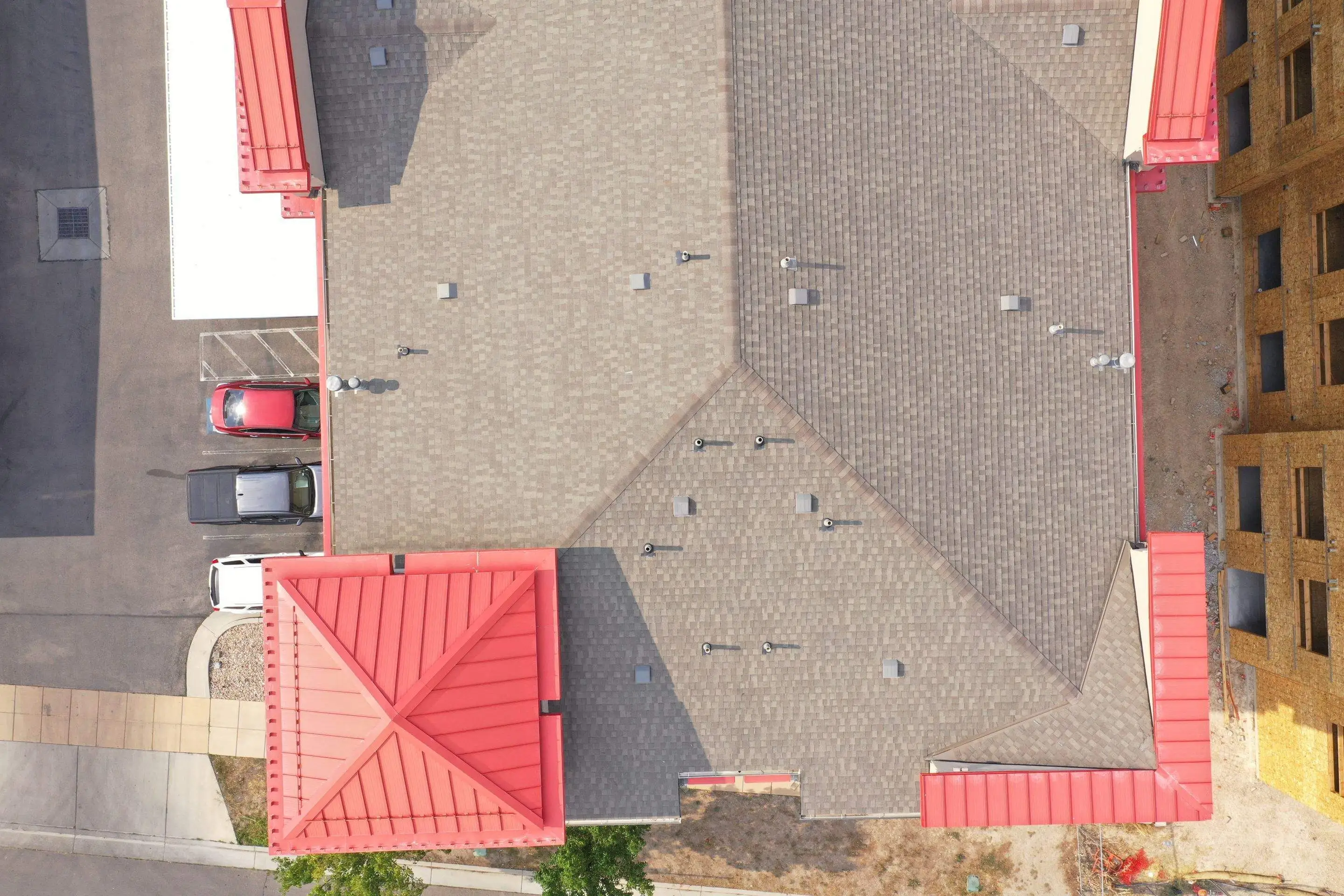
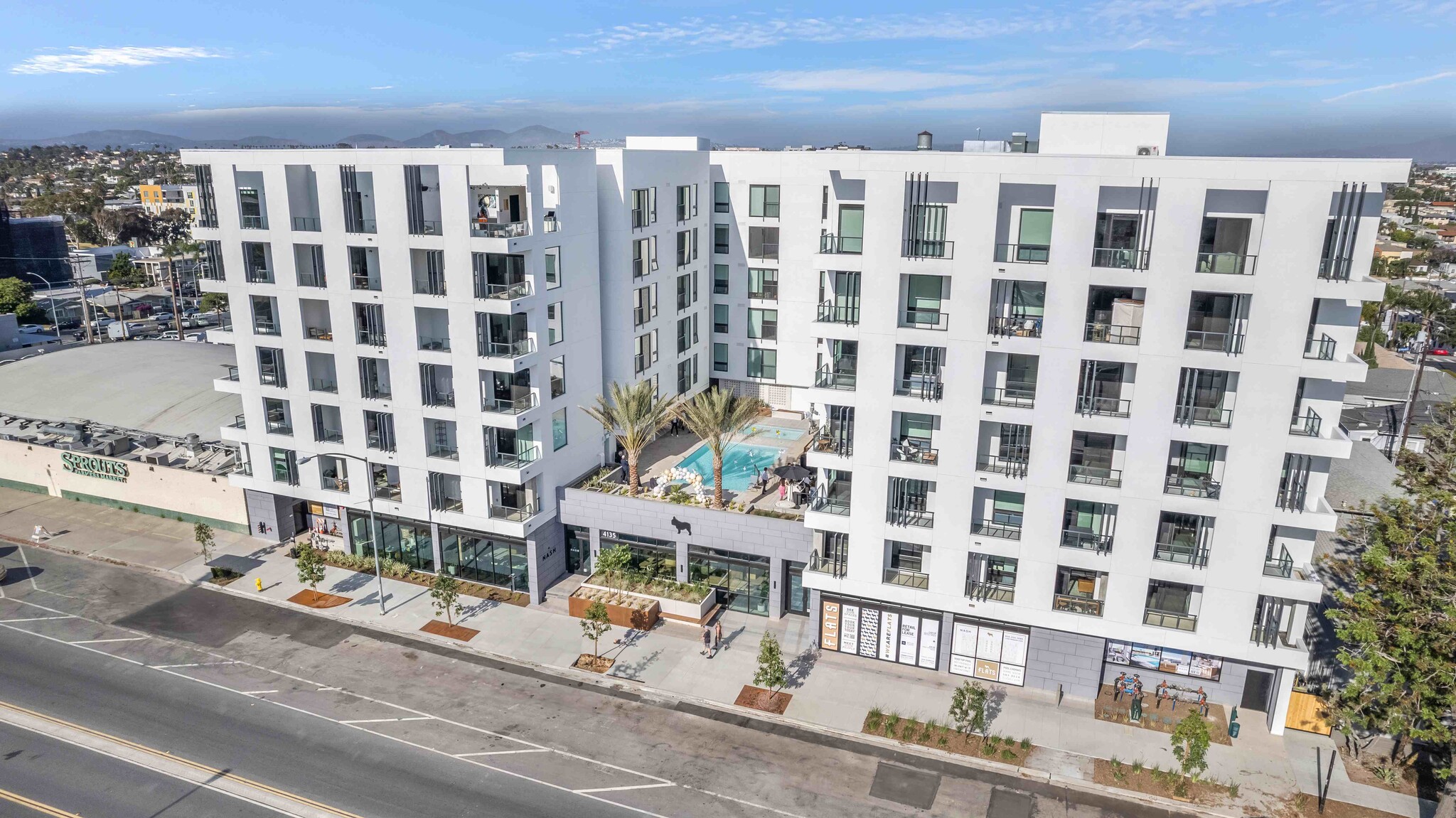
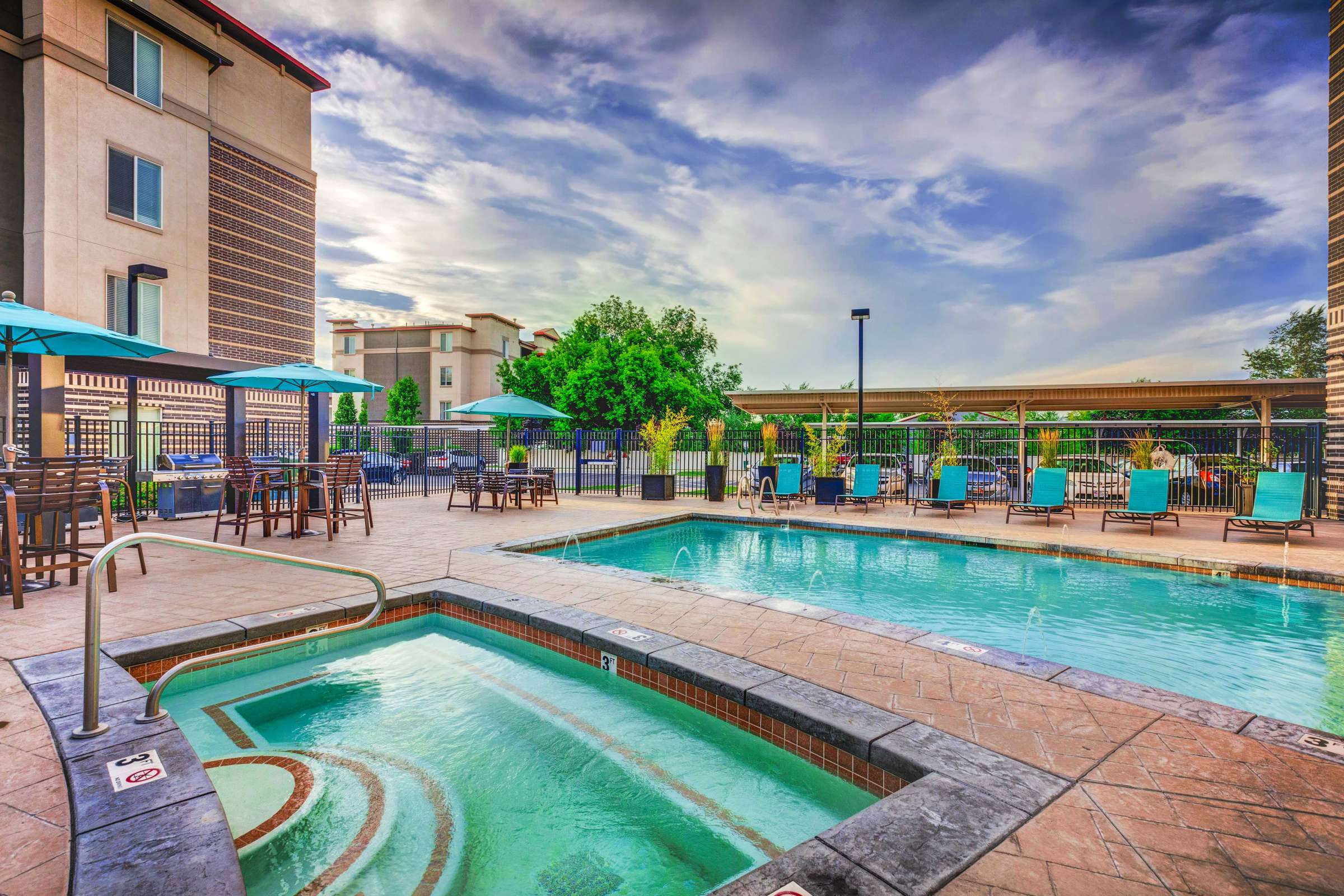
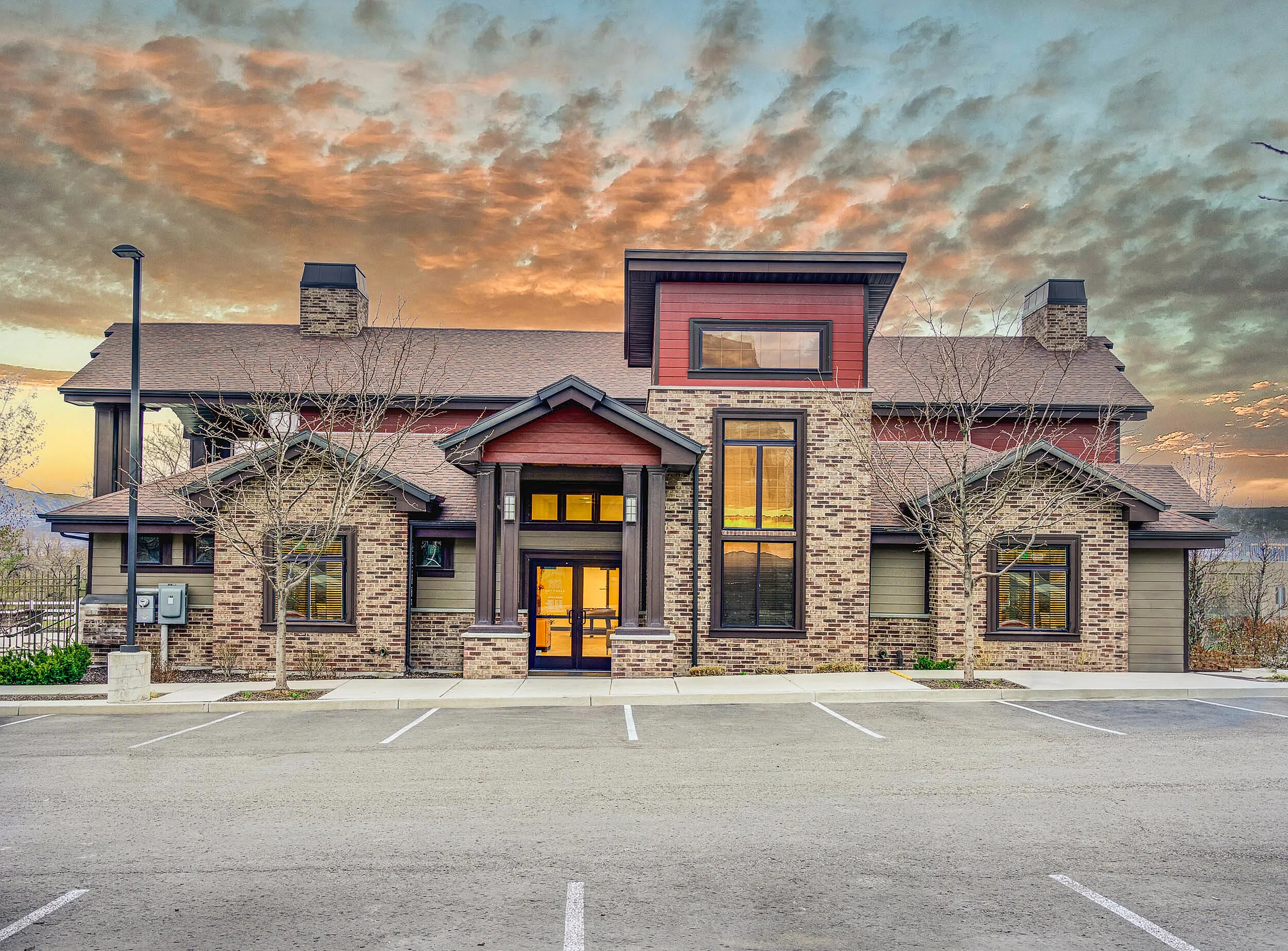
Three projects from the portfolio where this scope was the job, or a large part of it.
How do I know if hail damaged my commercial roof?
Hail damage often is not visible from the ground, so a roof inspection is the only reliable way to confirm it. Inspectors look for bruised or fractured membrane, dented metal and vents, granule loss, and cracked coatings or skylights. Apex documents damage with test squares, photographs and measurements that adjusters can review directly.
Should I call a contractor or my insurance company first after a storm?
Do both promptly: notify your carrier and get the building stabilized and inspected. Policies usually require timely notice and reasonable steps to prevent further damage, so do not wait for an adjuster before tarping or boarding up. Apex’s inspection documentation supports the claim, and your policy sets the deadlines that apply.
How do we get priority after a regional storm?
Pre-register your properties with Apex before storm season. Apex keeps property lists, contacts, access details and roof information on file, and registered properties are scheduled first after a regional event. Owners can also sign a pre-loss agreement so rates and terms are already in place when a storm hits.
Will you document storm damage for our insurance claim?
Yes. Apex provides test squares, photographs, measurements and a line-item estimate aligned to the loss, separating storm damage from pre-existing conditions. That gives your adjuster something concrete to review rather than a lump-sum number, which usually shortens the time to scope agreement.
Do you self-perform storm roofing repairs?
Yes. Apex self-performs roofing with its own crews, which matters most after a major storm, when many contractors are competing for the same subcontractors. Apex also handles the siding, windows, gutters and site repairs that often come with wind and hail damage under the same contract.
Most scopes touch more than one of these. They all run on one contract.
Local reconstruction pages: Salt Lake City · Denver · Dallas · Los Angeles · San Diego · Phoenix · Las Vegas · Albuquerque · Seattle · Boise · Atlanta · Tampa

Tell us the asset, the scope and the timeline. We will come back within one business day.