SB 721 and SB 326 are California laws that require periodic inspection of balconies, decks, stairways, walkways and other exterior elevated elements on multifamily buildings. SB 721 covers apartment buildings with three or more units and repeats every six years. SB 326 covers condominium associations and repeats every nine years. Both require owners to repair what the inspection finds.
Which buildings and elements are covered
Both laws apply to buildings with three or more multifamily units. SB 721 (Health and Safety Code section 17973) applies to rental apartment buildings. SB 326 (Civil Code section 5551) applies to buildings managed by a condominium or common interest development association.
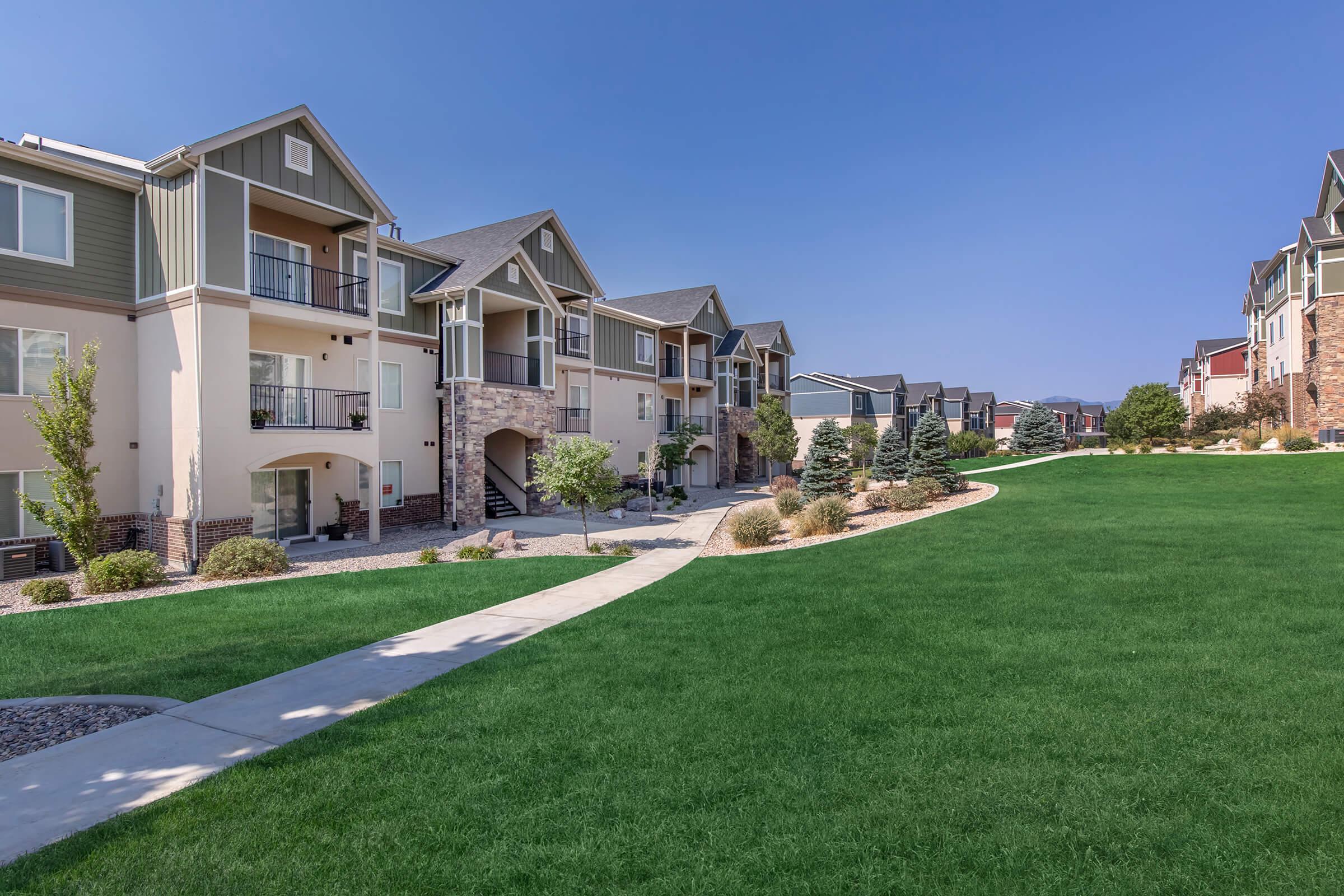
The inspection covers exterior elevated elements: balconies, decks, porches, stairways, walkways and entry structures that extend beyond the exterior walls, sit more than six feet above ground, are designed for people to walk on, and rely substantially on wood or wood-based products for structural support. That includes the load-bearing components (joists, beams, posts and connections) and the waterproofing and flashing that protect them. Concrete and steel elements without wood framing generally fall outside the laws.
Who performs the inspection
Under SB 721, the inspection can be done by a licensed architect, a licensed civil or structural engineer, a building contractor holding certain license classifications with the required experience, or a certified building inspector. Under SB 326, the association must use a licensed architect or a licensed civil or structural engineer. The inspector writes a report that identifies the condition of each element sampled and any repairs needed.
The repair itself is a separate step. SB 721 requires that repair and replacement work be performed by a qualified, licensed contractor, following the inspector’s recommendations and applicable codes. That is where Apex fits in: we are the repair contractor, and we scope our work to the inspector’s report rather than writing the report ourselves.
How much is inspected, and how often
SB 721 requires inspection of a random sample of at least 15 percent of each type of exterior elevated element, repeated every six years. SB 326 requires a statistically significant random sample (95 percent confidence, plus or minus 5 percent margin of error), repeated at least every nine years, and the report feeds the association’s reserve study.
The first SB 721 inspection was due by January 1, 2026, after AB 2579 (2024) extended the original January 1, 2025 deadline, and inspections repeat by January 1 every six years after that. The first SB 326 inspection was due by January 1, 2025, and repeats every nine years; buildings whose building permit application was submitted after January 1, 2020 are first inspected within six years of the certificate of occupancy. With both first-round deadlines passed, most properties are now in the repair and re-inspection part of the cycle. If your building has not been inspected, speak with counsel and your local building department about how to come into compliance.
What happens after the report
If the inspector finds a condition that poses an immediate threat to occupants, the owner must prevent access to the element and make emergency repairs, and under SB 721 the inspector sends the report to the owner and the local enforcement agency within 15 days. For non-emergency repairs, SB 721 sets two clocks: the owner applies for a building permit within 120 days of receiving the report, and the work is completed within 120 days of permit approval, unless the local agency grants an extension. SB 326 requires associations to act on unsafe conditions and to plan the remaining repairs through the reserve study.
Budgets usually go wrong at this point. A visual inspection sees the surface; the cost is in the framing behind it. Once the first elements are opened, the rot, fastener corrosion or failed flashing that shows up decides the real number. That is why we price repairs as a base scope plus unit prices for hidden conditions (joist sistering, sheathing replacement, post and beam repair), so the board or owner can see how the budget moves as each element is opened.
Who pays for the repairs
Under SB 721, the building owner pays for the inspection and the repairs. Under SB 326, the association generally pays because elevated elements are usually common area, often from reserves or a special assessment. Where an element serves a single unit, the governing documents and counsel settle how the cost is allocated.
How Apex runs balcony repair programs
- Scope to the report. Every line item traces back to a finding in the inspector’s report, so the permit set, the bid and the closeout match.
- Open, document, then close. Each element is photographed open, repaired, and re-waterproofed with the flashing details documented for the file.
- Keep egress. Work is sequenced so every resident keeps a way in and out of their home each night, and stair access is never lost for a building.
- Close out for the inspector. The repair record is organized so the inspector can confirm the work, and the owner has it ready for the next cycle.
This guide is general information, not legal advice. Requirements, deadlines and local enforcement vary; confirm how the laws apply to your property with counsel and your local building department.